
Which Non-Comedogenic Ampoule Should You Choose?

For congestion-prone or acne-prone skin, pick an ampoule whose finished formula was tested on human skin, then check your market's packaging, the ingredient list, fragrance and the role the ampoule will play in your routine. We recommend our SKIN1004 Centella Ampoule: its human-application non-comedogenic test is complete, and it pairs glycerin and butylene glycol with Madagascar Centella in a watery texture. It is a soothing, hydrating step, so acne treatment and sunscreen still need their own checked products.
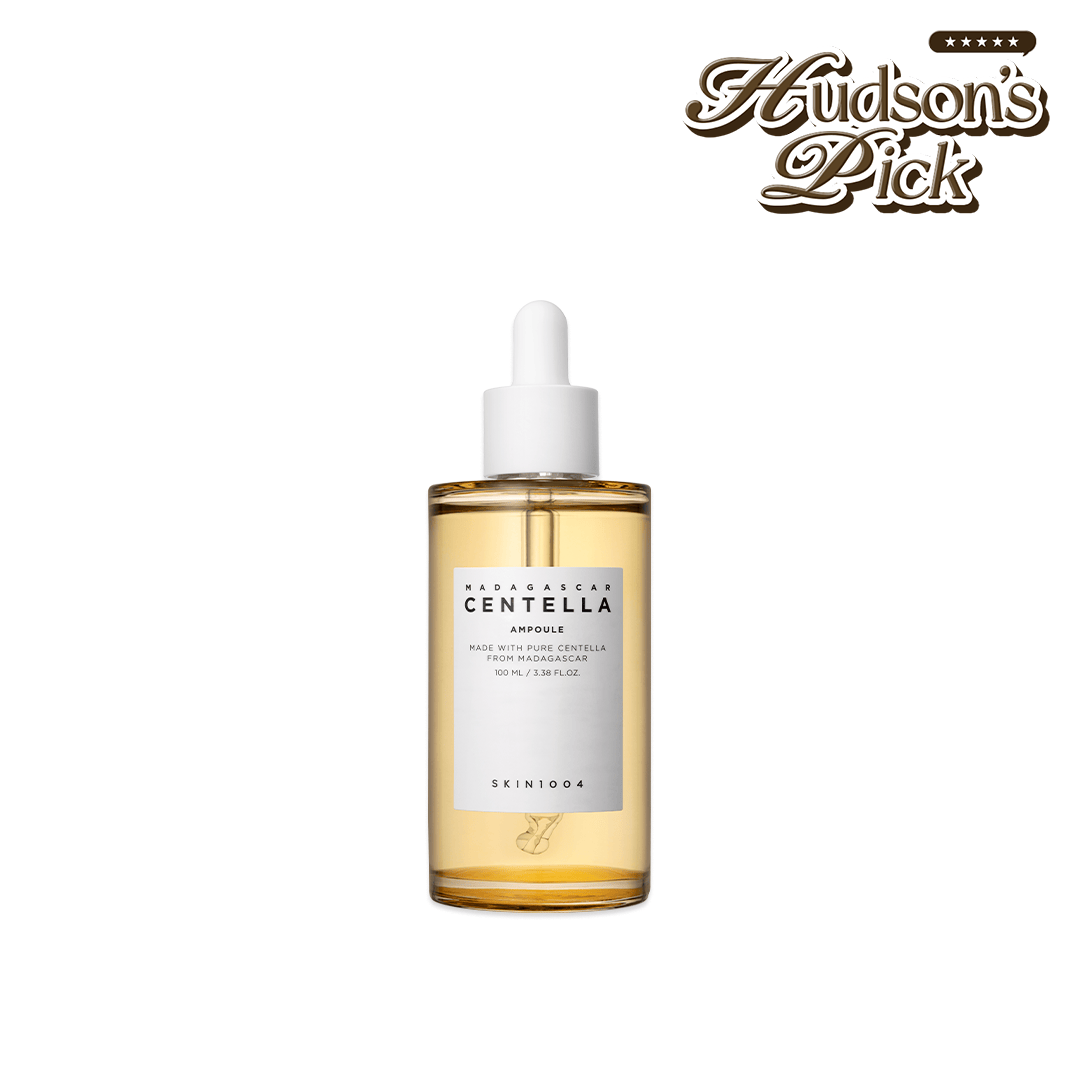
Late in the day, congested skin often asks for two things at once: comfort, and nothing heavy. We make the Centella Ampoule for the first of those needs. This guide shows how we would judge it, or any ampoule on your shortlist, against the second.
What the Label Can Tell You
The American Academy of Dermatology advises people with acne to choose makeup, sunscreen, skin and hair products labeled "non-comedogenic" or "won't clog pores" (American Academy of Dermatology). That makes the label a sensible first filter.
That filter has limits. In a 2025 clinical review in JAAD Reviews, Tory Starzyk, DO, and colleagues describe a lack of standardized testing and regulatory oversight that lets companies label products noncomedogenic regardless of their actual potential to cause acne. The authors also flag testing isolated ingredients instead of full product formulations as a methodological flaw, and they conclude that newer predictive models will not replace evaluating the finished product on human skin in a clinical setting.
So the most useful question to ask about any ampoule is simple. Was this exact finished formula tested on people? We explain how to read that kind of test report in What Makes an Ampoule Truly Non-Comedogenic?. This guide covers the shopping decision and the routine around it.
A Five-Point Shortlist Check
- Finished-formula human testing. Ask whether the claim rests on a test of the complete product on human skin, following the direction set out in the JAAD Reviews paper. An ingredient-by-ingredient rating says less about the bottle in your hand.
- Your own market's packaging. The same product can carry different wording in different countries. The phrase missing from your box does not always mean no test was run, and the phrase being present does not tell you how the test was done.
- A readable ingredient list. A short list makes it easier to spot anything your skin has reacted to before.
- Fragrance. The AAD suggests mild, fragrance-free products for sensitive skin and cautions that products labeled "unscented" can contain masking fragrances (American Academy of Dermatology). Read the full ingredient list rather than the front label.
- The job you are hiring it for. A soothing, hydrating ampoule supports comfort, while an acne treatment targets breakouts. Decide which one you need before you compare bottles.
How Our Centella Ampoule Measures Up
Here is our own ampoule run through the same five points, with its limits included.
| Check | What we can confirm | Limit to know |
|---|---|---|
| Finished-formula human test | Non-comedogenic human-application test completed on the Centella Ampoule | A completed test shows how the formula performed under test conditions. It does not guarantee the same result for every person |
| Packaging by market | The non-comedogenic wording appears on the KR package | US/CA and EU/UK packages do not carry the wording, even though the test was completed |
| Ingredient list | Official full ingredients include Glycerin, Butylene Glycol and Madagascar Centella Asiatica Extract (SKIN1004) | Contains no sodium hyaluronate. Its hydration comes from glycerin and butylene glycol |
| Texture | Our official product page describes a watery, slippery ampoule that spreads smoothly and keeps skin hydrated without stickiness (SKIN1004) | This is our description of the texture. No independent comparison test backs it |
| pH | 5.5-7.5 | This range belongs to the ampoule only. Our Centella Ampoule Foam has a different specification |
| Role | Formulated to help soothe visible redness and comfort sensitive-looking skin. The product page lists it as suitable for all skin types, especially dry and delicate skin (SKIN1004) | It contains no acne-treatment active |
The packaging row matters most for US readers. If you hold a US bottle, you will not find "non-comedogenic" printed on it, and we would rather tell you why than let the missing wording look like a hidden weakness.
The texture row matters for layering. A light, non-sticky step leaves room for the moisturizer and sunscreen that follow.
Building the Routine Around It
The AAD's label advice covers sunscreen, makeup and hair products as well as skincare (American Academy of Dermatology). Every leave-on layer on your face counts, so give the rest of the routine the same five-point check you gave the ampoule.
Here is how we would place our own products, from first step to last.
- Cleanse. The Centella Ampoule Foam uses coconut-derived surfactants and citric acid to cleanse without leaving skin feeling dry or tight. We are not making a non-comedogenic claim for it in this guide.
- Tone (optional). Our Centella Skincare Routine Set page describes the Centella Toning Toner as non-comedogenic tested. It contains PHA (gluconolactone), a mild exfoliator. If you already use an exfoliating acne active, you can skip this step.
- Ampoule. Apply the Centella Ampoule to clean skin and pat it in.
- Treatment, if you use one. Follow your acne product's own directions for where it sits and how often to use it.
- Moisturize. The Centella Soothing Cream is a non-sticky gel with Centella, Trehalose, Ceramide NP and Cholesterol that moisturizes and helps support the skin's natural barrier. We have not cited a non-comedogenic result for it here, so give it the same five checks.
- Sunscreen, every morning. Look for the label your market uses and test for comfort under makeup. If layers roll or pill, see our guide to fixing sunscreen pilling.
Centella Ampoule
19.8 USD
Shop now
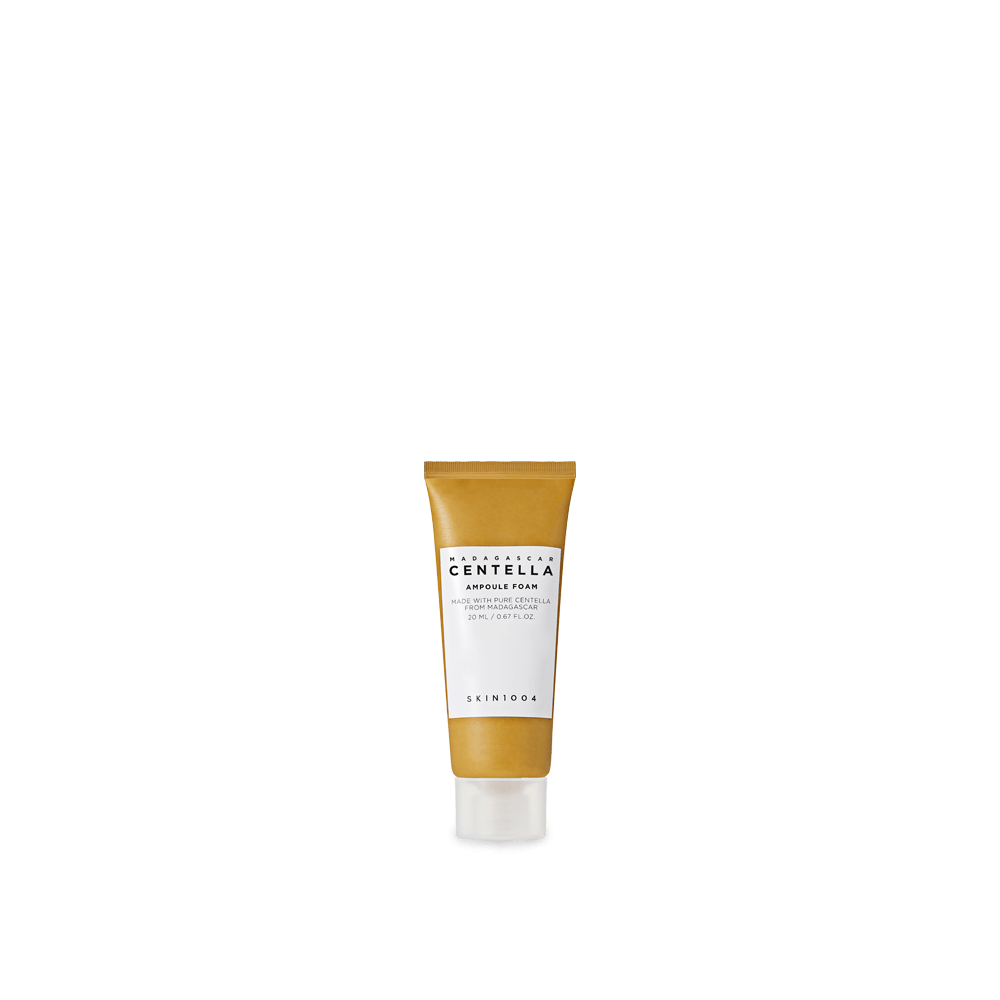
Centella Ampoule Foam
4 USD
Shop now
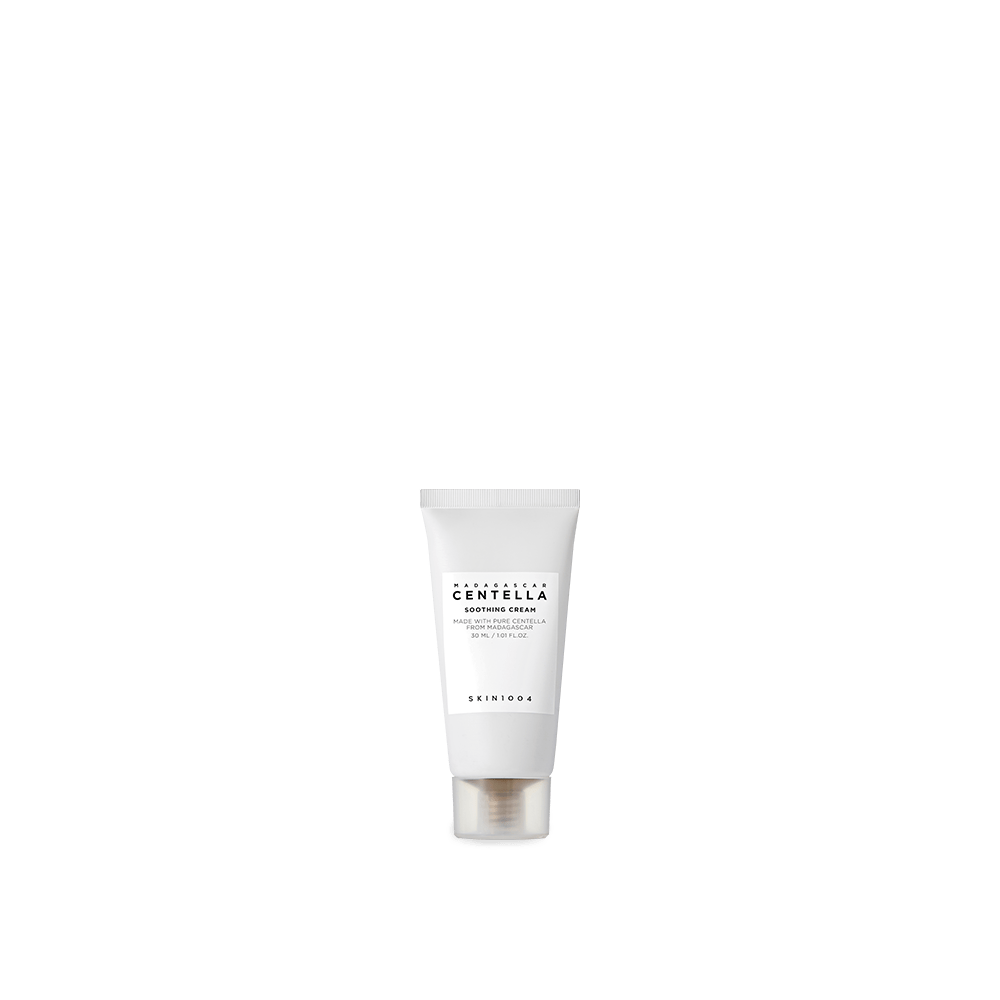
Centella Soothing Cream
7.5 USD
Shop now
When Should You Choose Something Else?
If active breakouts are your main concern, you need an acne treatment ingredient. For mild-to-moderate adult acne, dermatologists writing for the AAD recommend adapalene, azelaic acid, benzoyl peroxide and salicylic acid, and suggest starting benzoyl peroxide at 2.5% to limit dryness and irritation (American Academy of Dermatology). The Centella Ampoule contains none of these. If you are weighing azelaic acid, see our guide to azelaic acid serums for sensitive skin.
If you specifically want a hyaluronic acid serum, this ampoule is the wrong pick, because it contains no sodium hyaluronate.
Persistent, painful or widespread breakouts are worth taking to a dermatologist.
For everything else (a calm, light, tested layer between cleansing and moisturizer), discover the Centella Ampoule.
FAQ
Is "oil-free" the same as non-comedogenic?
The AAD lists "oil free" and "non-comedogenic" as two separate label cues for acne-prone skin (American Academy of Dermatology). Oil-free describes what the formula leaves out. Non-comedogenic is a claim about pore clogging. A product can carry one, both or neither, so read each on its own terms.
Can a non-comedogenic product still cause breakouts?
Yes. The AAD says such products don't cause breakouts in most people, which leaves room for exceptions (American Academy of Dermatology). The JAAD Reviews authors also point to variability across individual skin types as one reason labels can mislead.
Should I start a new ampoule and an acne treatment at the same time?
For a new acne product, AAD guidance is to use it as directed for 6 to 8 weeks and not add another product during that time (American Academy of Dermatology). Starting two new products together also makes it hard to tell which one caused a change. Settle one first, then add the other.