
What's the Best Azelaic Acid Serum for Sensitive Skin?
For sensitive skin, the best azelaic acid serum is the lowest strength that still does something, carried in a fragrance-free, lightweight, mildly acidic base with humectants and soothing extracts sitting alongside the acid. We judge candidates on five criteria: azelaic concentration and derivative blend, vehicle and finish, fragrance and essential oil content, supporting calming ingredients, and how honestly the product describes what has actually been tested. Prescription 15% gel and a cosmetic 10% ampoule are different categories with different evidence behind them, and the choice between them depends on whether you are treating diagnosed rosacea or caring for reactive, easily flushed skin.
A hush settles over the highlands of Madagascar in the late afternoon, and the centella growing there takes its time. We build our formulas the same way, slowly, around ingredients that calm rather than force. Azelaic acid asks for that patience more than most actives, because the people who want it most are often the people whose skin argues with everything.
What Azelaic Acid Does, and at What Strength
Azelaic acid is a naturally occurring dicarboxylic acid used topically for acne, rosacea and pigmentation. Prescription azelaic acid treats the inflammatory papules and pustules of mild to moderate rosacea and is available by prescription in 15% gel and foam preparations applied twice daily, according to the National Rosacea Society. That is the strength most published trials measure.
A comprehensive review of azelaic acid's pharmacology and topical formulations published in PubMed Central reports that 15-20% formulations produced clinically meaningful improvements across indications with mild, transient local irritation, and that the 15% gel matched metronidazole in reducing papules, pustules and erythema in rosacea while systemic exposure stayed negligible.
Cosmetic serums and ampoules sold over the counter sit below that. A 10% leave-on ampoule is a lower dose in a cosmetic base, so the honest framing is that it borrows the ingredient, not the clinical file. If you have diagnosed rosacea, the prescription is the benchmark. If your skin is simply reactive, flushes easily and gets bumpy around the chin, a lower-strength cosmetic serum is the sensible place to start.
What the Tolerability Data Actually Shows
Stinging is the reason most sensitive-skin users abandon azelaic acid, and it has been measured directly. Zoe D. Draelos, MD, reporting in the Journal of the American Academy of Dermatology, treated 40 women aged 18 to 80 with mild to moderate facial rosacea using twice-daily azelaic acid 15% gel for two weeks, screening them at baseline with the lactic acid facial sting test used as a marker for sensitive skin. In that study there was no significant change in TEWL or skin hydration from start to finish, so the gel maintained both the skin barrier and skin water content, and subjects reported a statistically significant reduction in dryness at day 14.
In practice, transient stinging in a sensitive-skin population can coexist with an intact barrier, measured by water loss and hydration.
That said, azelaic acid is not the gentlest thing on a shelf. A 2023 systematic review in the Journal of Cosmetic Dermatology found that people treated with azelaic acid 15% experienced significantly worse itching and pain compared with vehicle, worse itching, dryness and irritation compared with ivermectin, and more total adverse events than metronidazole 0.75%. In a real-world open-label trial summarised by Skin Therapy Letter, azelaic acid 15% gel was safe and well tolerated, with adverse events limited to mild itching and stinging that required no intervention, and no subject discontinued.
Two different pictures of the same molecule, both true. Expect some tingling, plan for it, and give the formula around the acid a real job to do.
Five Criteria We Judge a Sensitive-Skin Azelaic Serum On
| Criterion | What we look for | Why it matters for reactive skin |
|---|---|---|
| Concentration and derivatives | 10% or below for a first cosmetic serum; derivatives such as potassium azeloyl diglycinate or azelamide MEA alongside the free acid | Lower free-acid load with a broader delivery route usually feels calmer than a single high dose |
| Vehicle and finish | Watery, non-tacky, mildly acidic, absorbs without friction | Thick grainy bases need rubbing, and rubbing is its own irritant on flushed skin |
| Fragrance and essential oils | No added fragrance, no citrus or mint oils | The AAD's dermatologists recommend products labelled "fragrance-free", and warn that a product labelled "unscented" can contain chemicals that mask other odours and irritate dry, sensitive skin |
| Soothing companions | Panthenol, allantoin, beta-glucan, centella asiatica, humectants high in the list | Supports comfort during introduction; individual tolerance still varies |
| Claim honesty | The brand states what was tested, on whom, and does not imply clinical proof it does not hold | A product that overstates its testing will also overstate how it will feel on you |
Nothing on that list is exotic. It is the same short list we apply to every ampoule we make, and it is why our complete guide to azelaic acid for sensitive skin leads with formulation rather than percentage.
Where Our Azelaic Acid 10 Ampoule Fits
SKIN1004's Madagascar Centella Azelaic Acid 10 Ampoule belongs to our Lab in Nature line, where clinical actives meet Madagascar centella. Its retail listing states azelaic acid at 10% together with potassium azeloyl diglycinate and azelamide MEA, in a formula whose ingredient list also carries panthenol, allantoin, beta-glucan, licorice root extract and centella asiatica extract. Measured against the five criteria above, it clears concentration, vehicle, fragrance and soothing companions.
The official global product page lists completed sensitive-skin and primary skin irritation tests for this ampoule. These are product-specific skin tests, not proof that every user will tolerate it or that it is safe around the eyes. No eye-irritation evidence is cited here. This description refers to the global/US product; check the exact product and directions in your market.
For anyone whose main concern is visible redness rather than texture, our guide on calming serums for facial redness covers the alternatives worth trying first.
Building the Routine Around the Acid
An azelaic serum is one step, and the steps on either side decide how it lands.
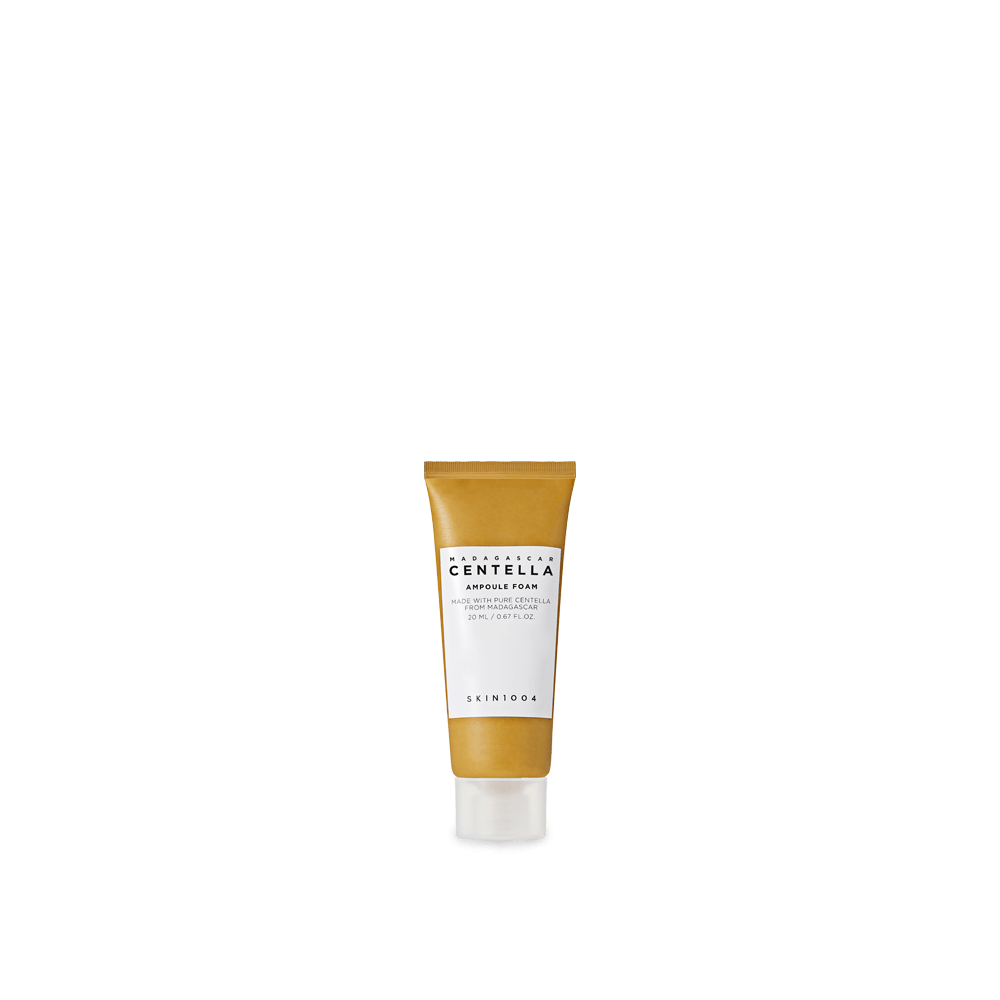
Cleanse with something mild enough that your skin feels comfortable rather than squeaky. Our Centella Ampoule Foam is a pH-balanced cleanser formulated with coconut-derived surfactants and citric acid, made to clean without leaving skin tight.
Apply the azelaic serum to dry skin, a pea-sized amount for the whole face.
Follow with a soothing layer. Our Centella Ampoule is an all-rounder formulated with high quality Madagascan centella asiatica extract to help soothe visible redness and comfort sensitive-looking skin, and it has completed non-comedogenic testing in a human study of 20 participants who applied it twice daily on the forehead with assessments at 0, 2 and 4 weeks.
Seal with a cream. Our Centella Soothing Cream is a non-sticky gel formulated with centella, trehalose and ceramide NP that moisturises and helps support the skin's natural barrier, which is the layer most people skip when they first add an acid.
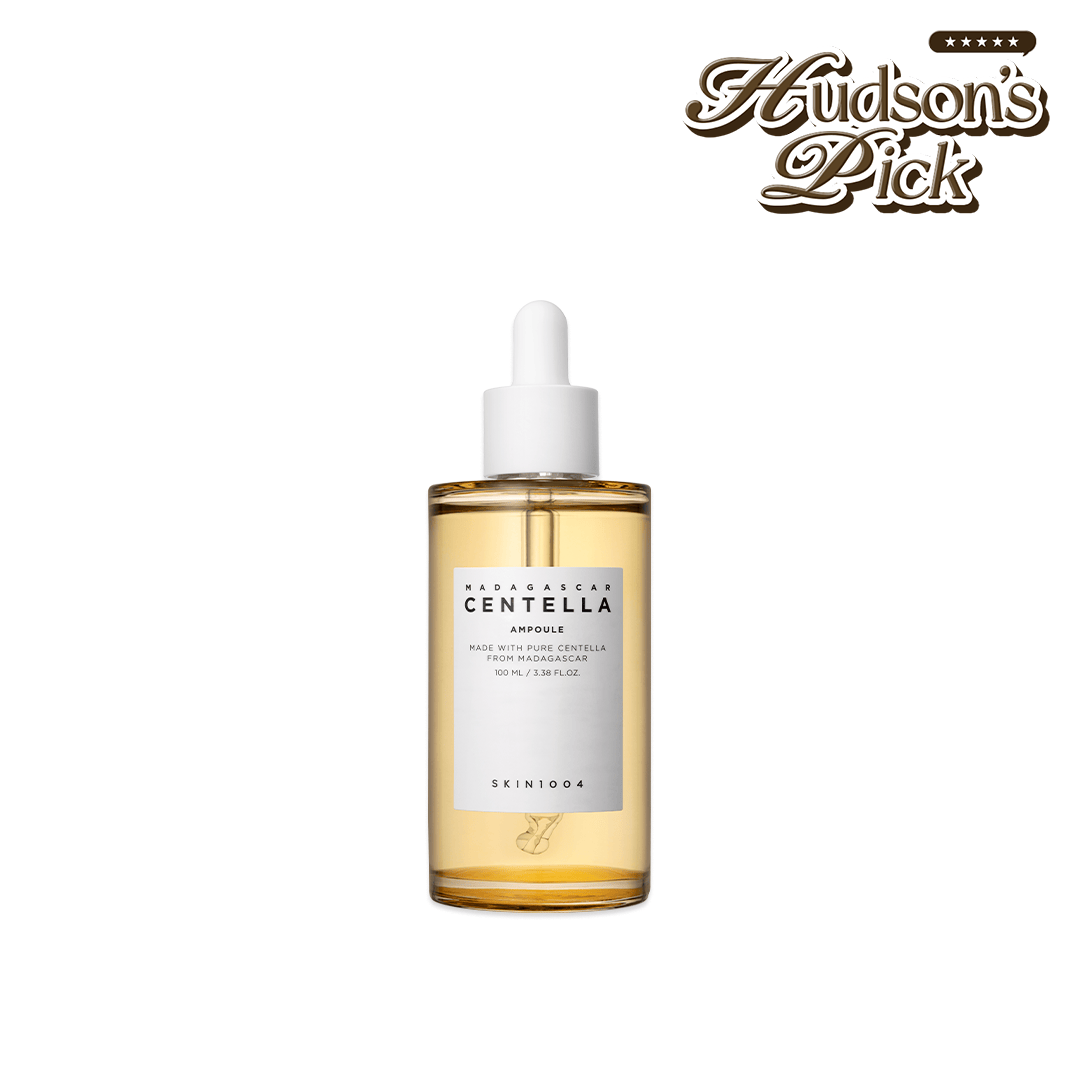
Centella Ampoule
19.8 USD
Shop now
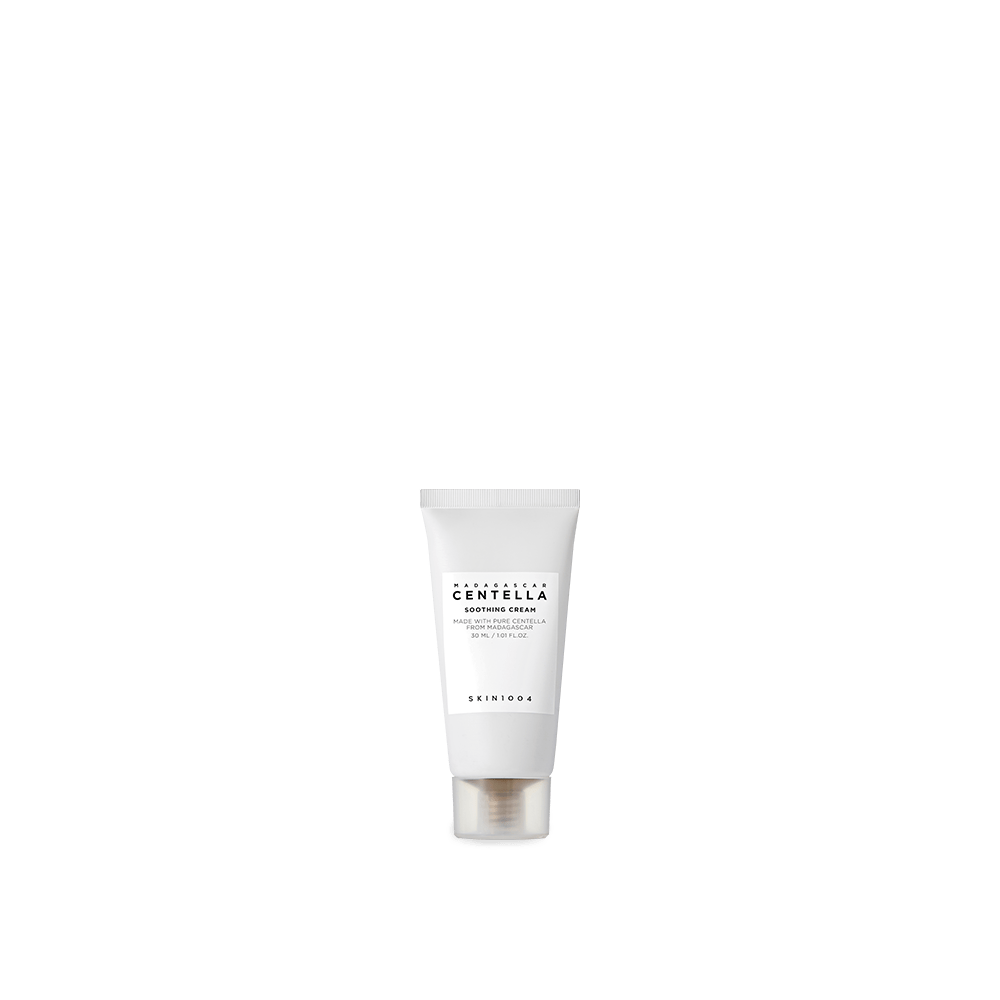
Centella Soothing Cream
7.5 USD
Shop now
Centella Ampoule Foam
4 USD
Shop now
Sunscreen every morning. Azelaic acid is used for pigmentation as well as redness, and unprotected UV exposure works against both goals.
A Four-Week Introduction Schedule
Patch test first. The American Academy of Dermatology advises that if you develop a skin reaction you should gently wash the product off as soon as possible and stop using it, and see a board-certified dermatologist if a severe reaction is not relieved by cool compresses or petroleum jelly.
Week one: two nights, non-consecutive, serum only after cleansing, cream on top.
Week two: every other night if week one passed without lingering redness.
Week three: nightly if your skin is comfortable, or hold at every other night. Every other night is a perfectly good long-term rhythm for reactive skin.
Week four: assess. Texture and post-blemish marks respond slowly, so judge at eight to twelve weeks rather than at four.
If a new product causes a skin reaction such as redness, itching, or swelling, gently wash it off and stop using it. Consult a dermatologist if the reaction is severe or does not settle. Do not increase use while your skin is reacting. AAD product-testing guidance
When a Serum Is the Wrong Tool
Persistent papules and pustules, visible vessels, ocular symptoms or flushing that dominates your day are dermatology territory. Prescription azelaic acid exists at 15% precisely because those presentations need a drug, and our rosacea explainer sets out the difference in more detail. A cosmetic ampoule belongs alongside that care as daily maintenance between appointments.
FAQ
Is 10% azelaic acid strong enough to do anything?
For cosmetic goals such as uneven tone, post-blemish marks and general reactivity, a well-formulated 10% leave-on serum is a reasonable working strength. For diagnosed papulopustular rosacea, the trial evidence sits at 15-20%, which is prescription territory in most markets.
Can I use azelaic acid with retinol or exfoliating acids?
Not in the same routine while you are still building tolerance. Alternate nights, and give each active two weeks on its own before pairing anything.
Does azelaic acid bleach skin or lighten normal areas?
Its pigment research sits in melasma and related dyschromias, where the PubMed Central review reports that 20% cream showed efficacy similar to hydroquinone. Uniform lightening of unaffected skin is outside what that evidence describes.
How long before texture and marks change?
The JAAD sting study recorded significant decreases in erythema and global rosacea severity after two weeks of twice-daily 15% gel, while pigment changes run slower. Give a cosmetic serum two to three months before deciding.
Is it safe to keep using if it stings every time?
Occasional early tingling that fades within minutes is common. Stinging that persists at every application after several weeks, or that comes with swelling or rash, is a signal to stop and ask a dermatologist.
Ready to start slowly? Pair a low-strength azelaic serum with the calming step your skin already trusts, our Centella Ampoule, and give the schedule above a full month.