
Stop Sunscreen Pilling: Fix the Layers Underneath

Sunscreen pills under makeup when the layers beneath it are still damp, too thick, or simply too many, so the stacked films shear into small rolls the moment a brush or sponge passes over them. The reliable fix is subtraction: one thin hydrating layer, two to three minutes of set time, then roughly a teaspoon of sunscreen pressed onto the face instead of rubbed in. This guide covers what happens at the surface, what the AAD and FDA say about how much sunscreen and when, and how we build a pared-back Centella base at SKIN1004 that stays quiet under a sunscreen layer.
A quiet morning, a little golden light at the window, and then grey flecks rolling off your cheek at the foundation step. We hear this from Centella customers more than almost any other routine complaint, and it is rarely the sunscreen alone that caused it.
We write this as the brand behind the Centella range, so a note on scope before anything else. The products we name below are cleansers, toners, ampoules and creams. We are describing the layers that sit under a sunscreen, and we have kept every product statement to what our own product pages verify.
What Pilling Actually Is
Pilling is a mechanical event. Each product you apply leaves behind a thin film of polymers, emollients and humectants. When one film has not finished setting, or when several films sit on top of each other without merging, friction from a finger, brush or sponge rolls the excess material into visible balls. The flakes you see are the leftovers of layers that never became one continuous surface.
Sunscreen shows the problem more than anything else in a routine for two structural reasons. It leans harder on film-forming polymers than a moisturizer does, because a continuous film is what delivers the labelled protection. And it sits at the top of the stack, which means every unstable layer below it eventually reports upward.
The Base Layer Decides Most of It
Three things about the layers underneath predict pilling better than the sunscreen brand does.
Volume. A generous essence, a serum, a rich cream and a primer add up to more material than facial skin can absorb in a few minutes. The surplus stays mobile on the surface and waits to be rolled.
Set time. Films need time for their volatile carriers to evaporate and for polymers to knit across an uneven skin surface. Makeup applied into a still-tacky layer disrupts that film before it has any structure.
Texture mismatch. A thick occlusive cream under a lightweight fluid sunscreen creates a slippery, high-residue interface. The sunscreen never anchors, and the first pass of a sponge lifts it.
The practical implication is unglamorous. Cut the number of layers before you change the sunscreen, and reintroduce steps one at a time until you find the one that misbehaves.
How Much Sunscreen, and When
Fixing pilling by using less sunscreen trades one problem for a worse one. The American Academy of Dermatology advises at least one teaspoon of sunscreen for the face, about the amount that covers the length of your index and middle fingers, and notes that most people apply only 25 to 50 percent of the recommended amount. That teaspoon is the floor, not a target to shave down for a smoother makeup finish.
Timing matters just as much. Both the AAD and the FDA recommend applying sunscreen 15 minutes before sun exposure, and UCLA Health describes the same 10 to 15 minute window. For anyone wearing makeup, that guidance doubles as a pilling fix at no cost: the waiting period you already owe your sunscreen is also the period in which its film stabilises.
The FDA also corrects a common misreading of the number on the bottle. SPF describes the amount of solar exposure a product protects against, not how many hours you can stay outside, which is why reapplication every two hours outdoors still applies whatever the figure says.
Does Pilling Cost You Protection?
A sunscreen only performs as a continuous, even film, and anything that thins or redistributes that film changes what reaches your skin. Research published in the International Journal of Cosmetic Science in 2021 used a perspiring skin simulator to show that sweat reduced sunscreen efficiency through two distinct mechanisms: wash-off, which impaired film thickness, and redistribution, which impaired film uniformity (Int J Cosmet Sci, 2021).
Pilling is a different stressor from sweat, and we have not found a study measuring SPF loss from pilling specifically. What the perspiration work establishes is the principle that matters here: film uniformity is a variable in real-world protection, independent of the SPF printed on the tube. When product rolls off your cheek, some of the filter goes with it, and the remaining layer is patchier than the one you applied. Reapplying over makeup, or starting the morning again on the affected area, is the honest response.
A Centella Base Built Thin
Our own catalogue is where we can be specific, so here is what each step actually is.
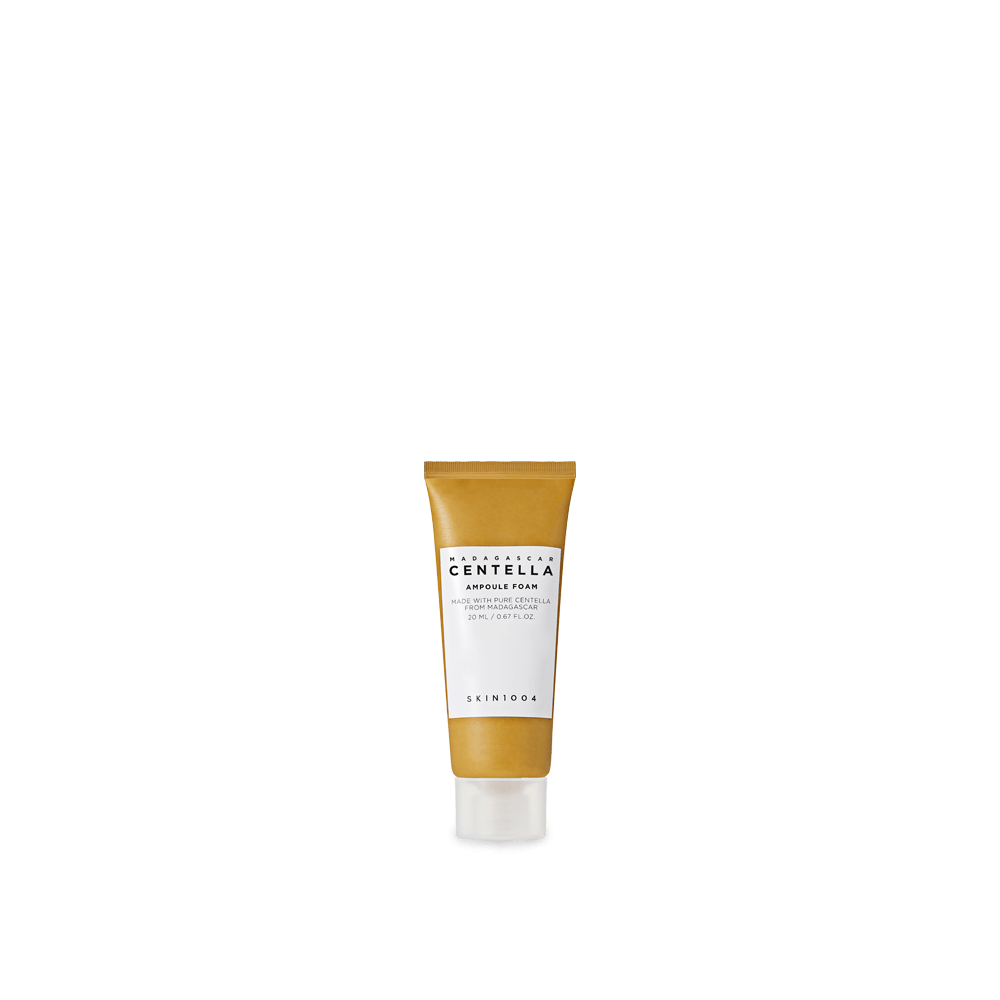
The morning can start with a low-residue cleanse. Centella Ampoule Foam is a pH-balanced cleanser formulated with coconut-derived surfactants and citric acid, made to cleanse without leaving skin feeling dry or tight. Skin that feels stripped tends to invite a heavier moisturiser afterwards, which is exactly the extra volume you are trying to avoid.
Centella Toning Toner is a gentle PHA exfoliating toner designed for daily use, with Centella Asiatica extract, gluconolactone and betaine. Used as a thin pass rather than a soak, it is a light step in the layer order. It is also an active step, so if your skin is currently reactive, keep it to a few mornings a week and judge by how your skin responds.
Centella Ampoule is our signature soothing step, formulated to help soothe visible redness and comfort sensitive-looking skin with Madagascan Centella Asiatica extract. One honest limitation: it does not contain sodium hyaluronate, so if your skin needs a humectant-led hydration layer before SPF, this is the calming step rather than the water-binding one.
Centella Soothing Cream is where that hydration sits. It is a non-sticky soothing gel with Centella, trehalose, sodium hyaluronate, ceramide NP and cholesterol, formulated to moisturise and help support the skin's natural barrier. A gel texture gives you a moisturising step without the heavy residue that makes a sunscreen slide.
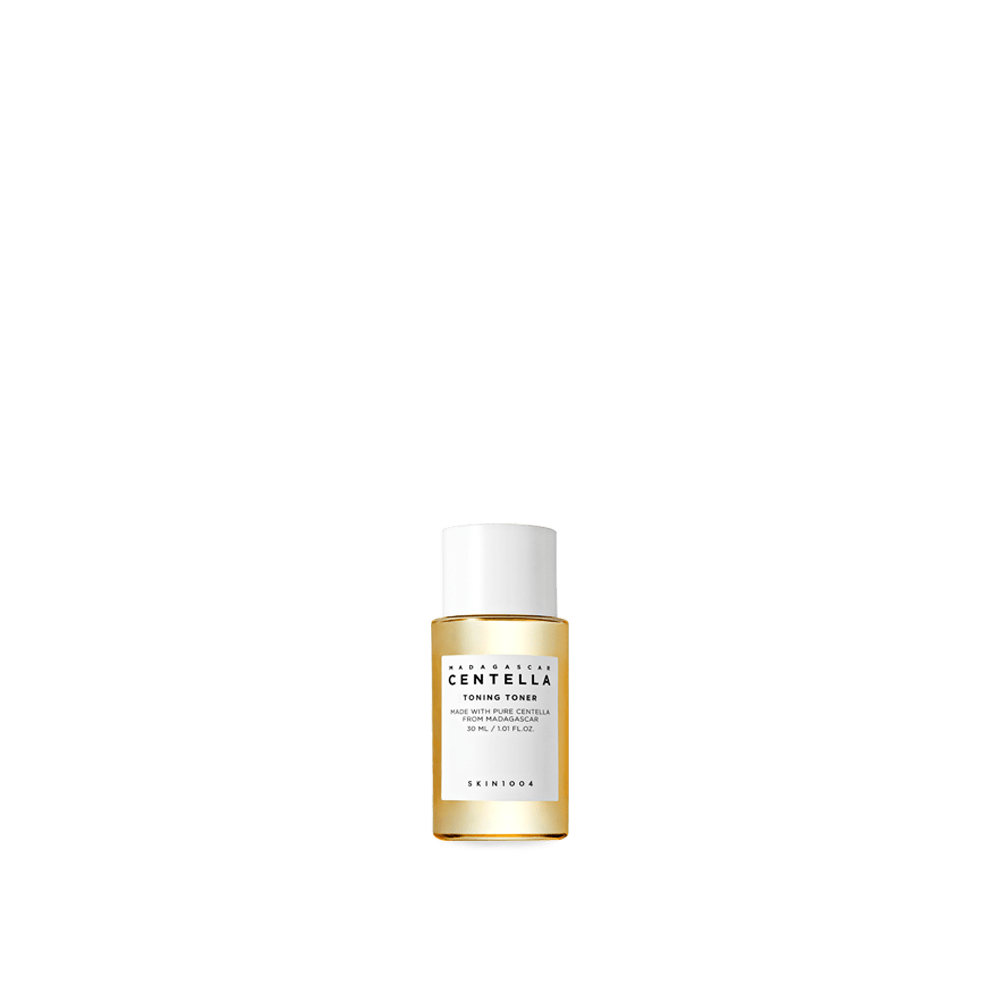
Centella Toning Toner
5 USD
Shop now
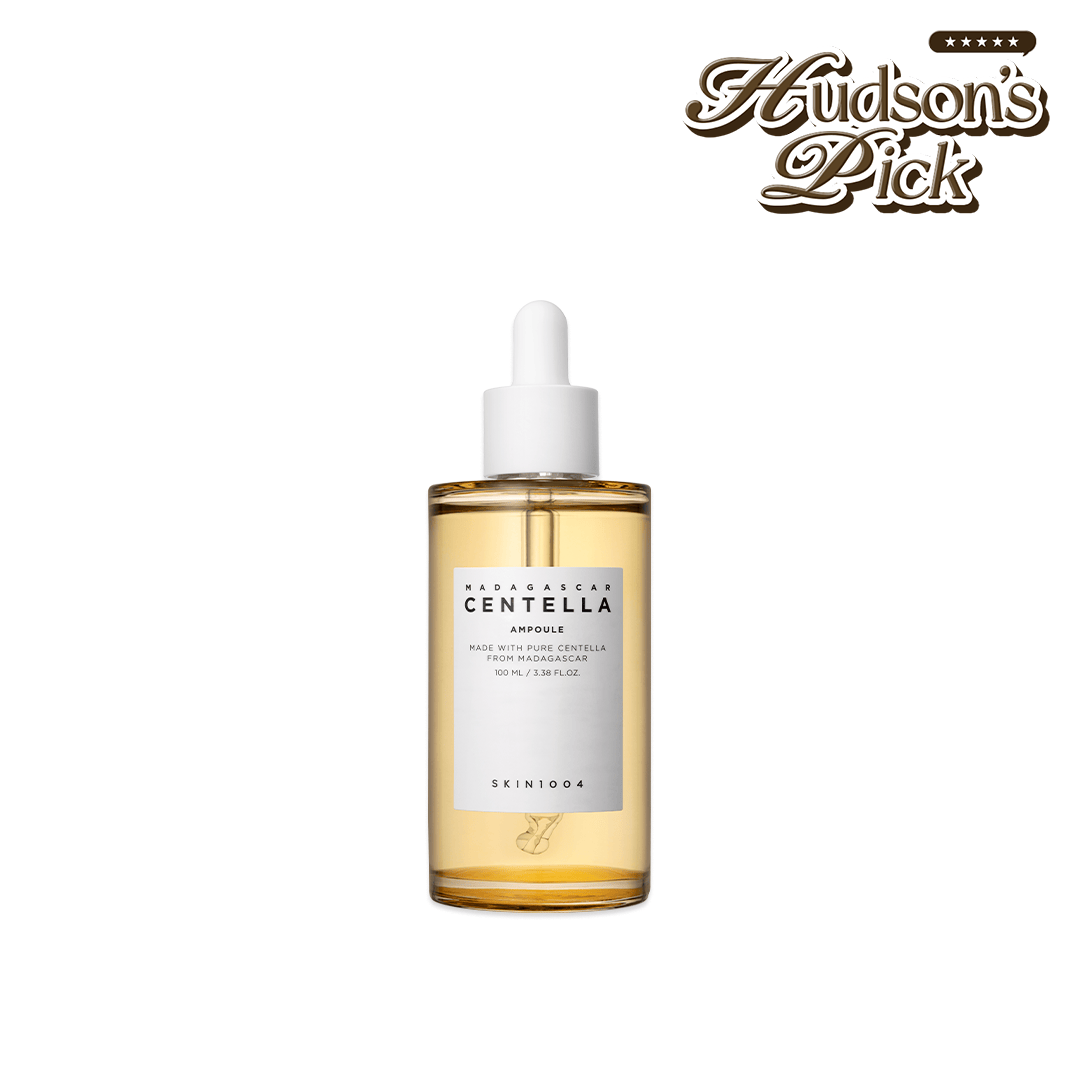
Centella Ampoule
19.8 USD
Shop now
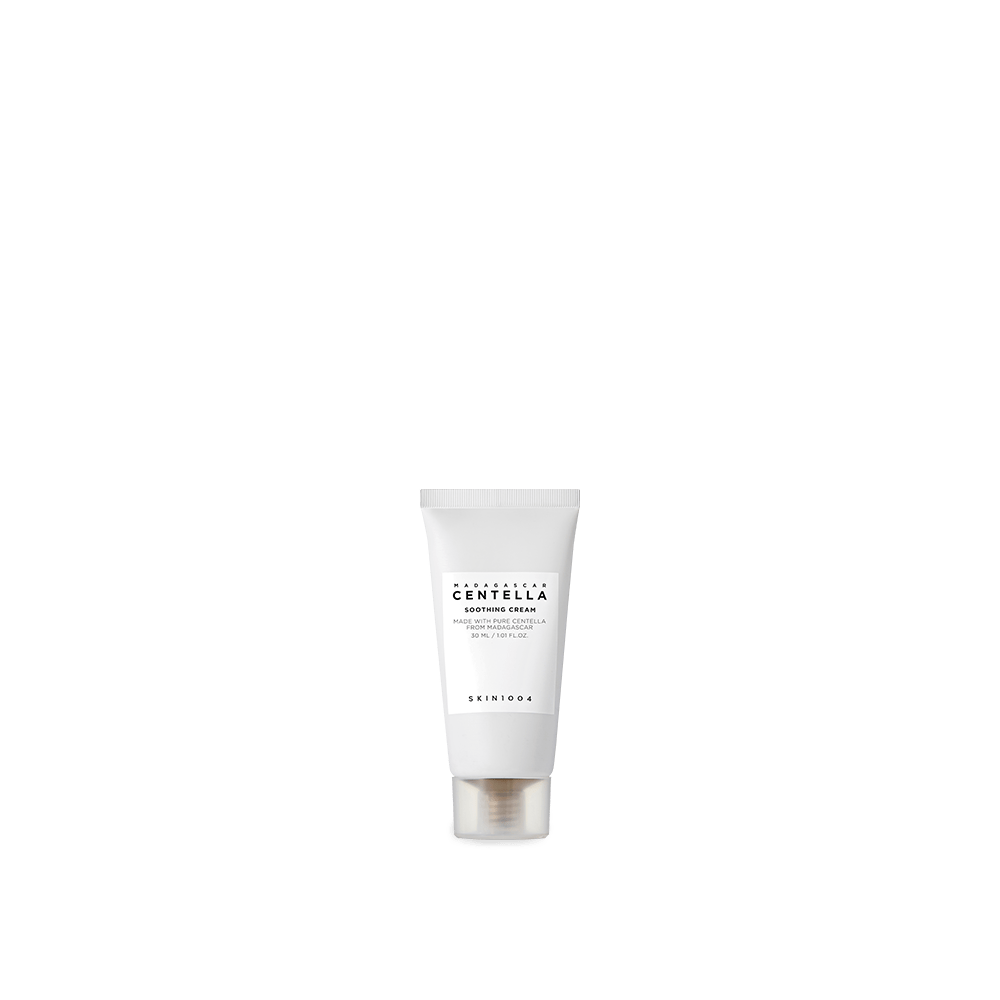
Centella Soothing Cream
7.5 USD
Shop now
For most people that is three steps before sunscreen, and on a rushed morning it can be two. We have no test data showing these products prevent pilling with any particular sunscreen, and we are not going to claim otherwise. What we can say is that a thin, non-sticky base gives a sunscreen film less to fight.
Test Your Own Routine in One Morning
You can isolate the culprit without buying anything.
- Cleanse and pat dry, then apply nothing for two minutes.
- Apply one hydrating layer only. Press it in with flat palms rather than massaging.
- Wait until the skin feels cool and matte to the touch, not tacky. In humid weather this takes longer than the two to three minutes people usually allow.
- Apply a full teaspoon of sunscreen in sections, pressing rather than sweeping.
- Wait the 15 minutes the AAD recommends, then stipple foundation with a damp sponge instead of dragging a brush.
If the routine survives that, reintroduce your removed steps one morning at a time. If it pills at step two, the hydrating layer is too heavy or too generous for your skin's absorption rate. If it pills only at step five, the problem is friction and timing rather than chemistry.
For choosing the sunscreen itself, our guide to sunscreen that stays put under makeup covers the texture and finish side. If your skin runs oily by midday and tight underneath, the layering logic changes slightly, and we walk through that in why your face gets oily by noon but still feels tight.
FAQ
How long should I actually wait between skincare and sunscreen?
Long enough that the previous layer feels cool and matte rather than tacky. Ambient humidity changes that interval, so judge by touch instead of a fixed timer. Separately, the AAD recommends 15 minutes between sunscreen and sun exposure, which is a good moment to do your hair or brew coffee.
Can I use less sunscreen to stop the pilling?
Using less will reduce the rolling, and it will also reduce your protection. The AAD's one-teaspoon face guideline exists because most people already under-apply. Adjust the layers underneath and the application technique first.
Is a silicone primer the problem?
It can be one input among several. Any product that adds a distinct film on top of a sunscreen increases the number of interfaces that can shear. The quickest diagnostic is to skip the primer for one morning and change nothing else.
Does exfoliating help?
Loose surface flakes give makeup something to catch on, so gentle regular exfoliation can make layering smoother. Aggressive scrubbing works against you by leaving skin irritated and less comfortable under a full sunscreen layer. A daily-use PHA toner such as ours is the mild end of that spectrum.
Should I reapply sunscreen if my makeup pilled?
Yes, on the affected area. The layer that rolled away is no longer contributing to coverage, and the FDA reapplication guidance of every two hours outdoors still stands regardless of how the morning went.
If you want to rebuild the base rather than the top layer, start with the moisturising step: Centella Soothing Cream is the non-sticky gel we reach for, and the pared-back version of the routine is usually the one that holds up under makeup.