
What Makes an Ampoule Truly Non-Comedogenic?
See the Centella Ampoule human non-comedogenic test, regional packaging differences, and why product evidence matters more than ingredient scores.

A useful non-comedogenic claim is tied to the finished product and a described human-use test. It is not a promise that no person will ever develop a breakout. To assess an ampoule, look at the product tested, the participants, the application routine, the observation period and the result.
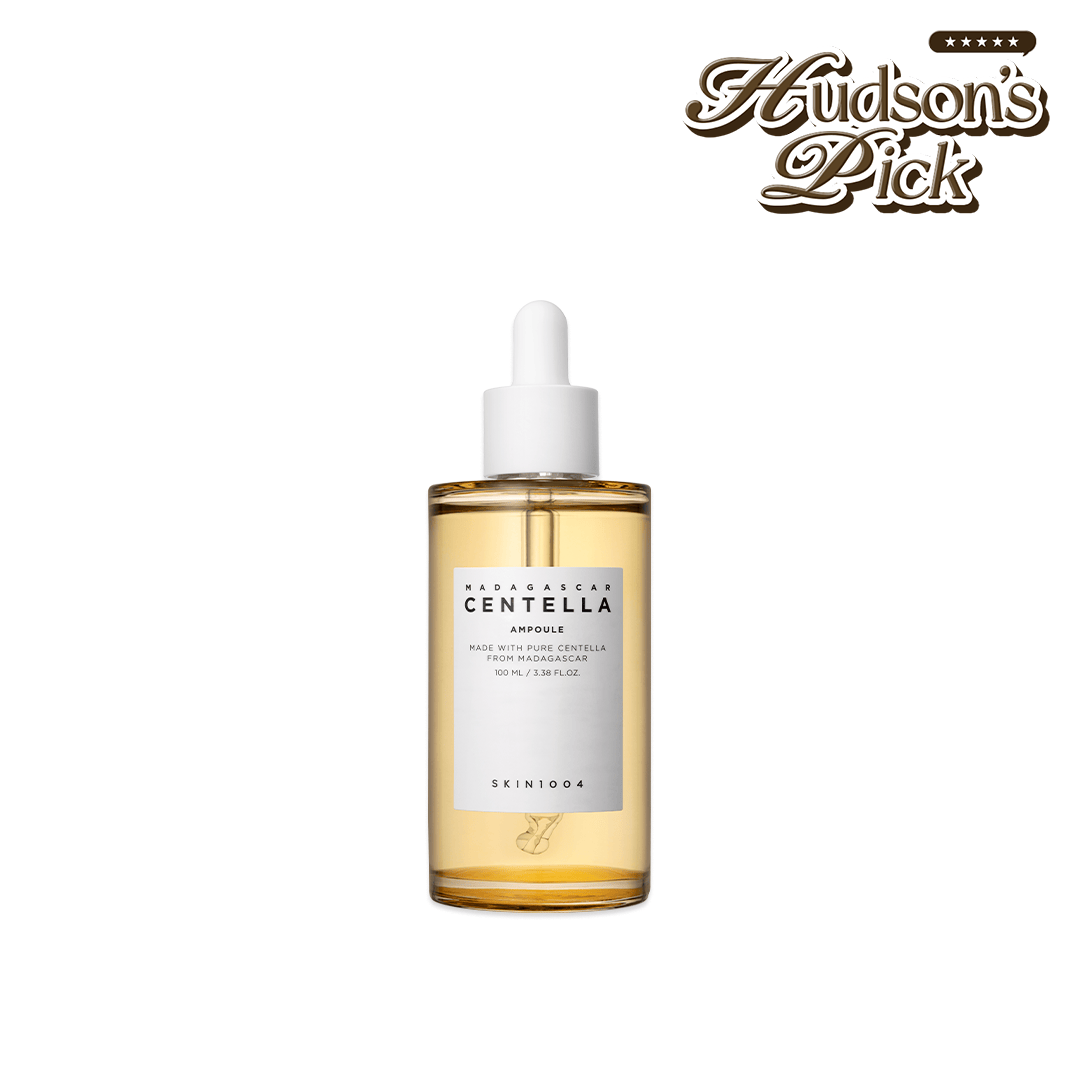
For SKIN1004 Madagascar Centella Ampoule, there is a product-specific human application study. That evidence is more relevant than an ingredient score or a general discussion of Centella research.
What Was Tested for Centella Ampoule?
Semyung University Skin and Cosmetics Clinical Center evaluated the finished Centella Ampoule in 20 participants. They applied the product to the forehead twice daily after cleansing, with observations at baseline, two weeks and four weeks.
| Study detail | Centella Ampoule assessment |
|---|---|
| Product | SKIN1004 Madagascar Centella Ampoule |
| Participants | 20 |
| Application site | Forehead |
| Routine | Twice daily after cleansing |
| Observation points | Before use, after two weeks and after four weeks |
| Comedogenicity assessment | Standardized photographs with VISIA-CR and expert visual grading |
The report found no statistically significant change in the visual comedogenicity assessment at two or four weeks compared with baseline, and interpreted the result as supporting the product's non-comedogenic performance under the study conditions.
Source: Semyung University Skin and Cosmetics Clinical Center, report SMC-200626-4102_ver.03, research reference IR-6546-A. Study period: April 13–June 5, 2020; revised report dated April 29, 2025.
This does not establish that every user will remain breakout-free. It also does not turn the ampoule into an acne treatment. The result belongs to the tested finished product and conditions.
Testing and Packaging Are Different Questions
Centella Ampoule has completed non-comedogenic human application testing. The non-comedogenic wording appears on its Korean packaging; the US/Canada and EU/UK packaging do not carry that wording.
A missing phrase on a regional package is not, by itself, evidence that no test exists. Equally, a phrase on packaging is not a substitute for knowing which product was tested. Check the exact product and market instead of inferring the evidence from one package photograph.
Why Ingredient Ratings Are Not Enough
An ingredient list is useful for identifying a substance you already know does not suit you. It is less useful as a numerical prediction of whether a finished formula will clog your pores.
An ampoule combines ingredients at particular concentrations in a particular base. A score assigned to one raw material does not describe that complete formula, the way it is used, or an individual person's response. Avoid treating a low score as a guarantee or a high score as proof that the product will cause a breakout.
Similarly, fewer ingredients do not automatically mean a safer product. A shorter list can be easier to compare with products you have used before, but suitability still depends on the ingredients and your own experience.
Five Checks Before Choosing an Ampoule
- Match the evidence to the product. Confirm the full name and regional version rather than relying on a similar product in the same range.
- Ask what was measured. A hydration or soothing result is not a comedogenicity result.
- Read the test conditions. Panel size, application site, frequency and assessment period explain what the result covers.
- Check your existing routine. Introducing several products together makes it harder to identify the cause of a reaction.
- Keep claims proportionate. Non-comedogenic testing supports a defined claim; it does not guarantee freedom from breakouts or establish acne-treatment efficacy.
For the separate issue of oiliness with tightness, our guide to skin that feels oily by noon but still tight discusses why a comfortable routine matters.
Where Centella Ampoule Fits
Centella Ampoule is a moisturizing and soothing formula containing Centella Asiatica extract. Its specified pH range is 5.5–7.5. That specification should not be confused with Centella Ampoule Foam, which is a different product.
The human application study above supports discussion of the ampoule's non-comedogenic assessment. Research on isolated Centella compounds would not be a substitute for that finished-product evidence.
A Simple Routine
Start with cleansing appropriate to the products you need to remove. Centella Ampoule Foam is a cleanser with a specified pH of 5.5 ± 0.5, or 5.0–6.0. That is the foam cleanser's range, not the ampoule's.
Apply Centella Ampoule according to its directions and use a moisturizer if needed for comfort. Centella Soothing Cream is one moisturizing option. Introduce products gradually so that a change in your skin is easier to trace.
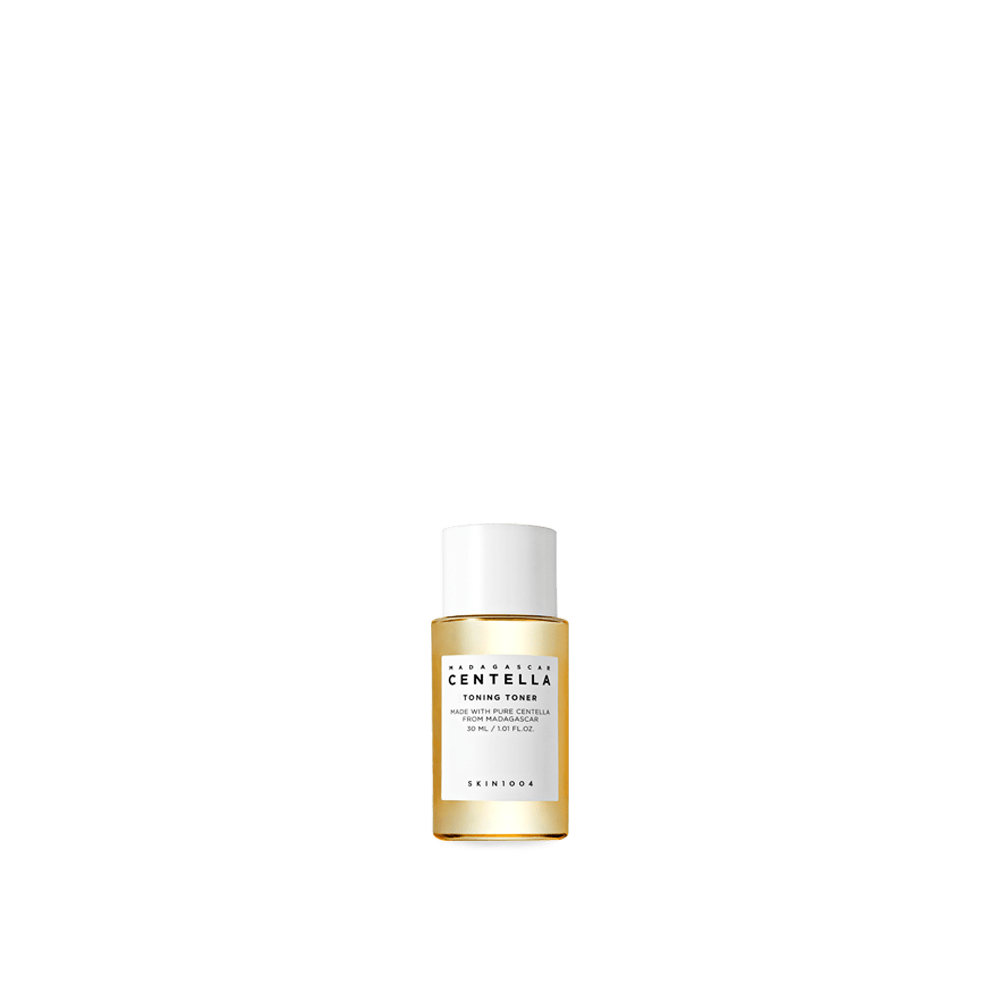
Centella Toning Toner
5 USD
Shop now
Centella Ampoule
19.8 USD
Shop now
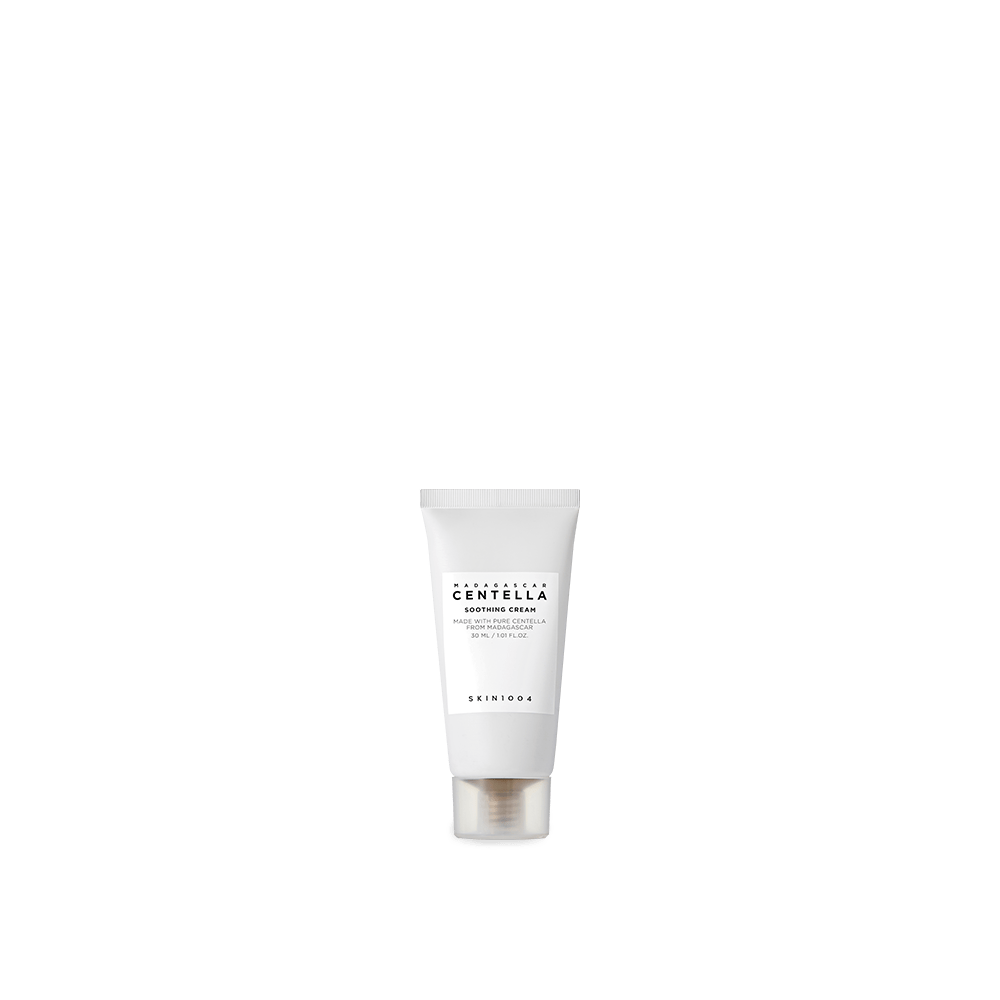
Centella Soothing Cream
7.5 USD
Shop now
If a new product causes irritation, stop using it. Persistent or painful breakouts warrant advice from a dermatologist rather than assuming that a cosmetic label can explain or treat them.
Frequently Asked Questions
Can a tested non-comedogenic ampoule still cause breakouts for me?
Yes. A study describes the results in its participants under its conditions. It cannot guarantee the response of every person or every combination of skincare products.
Does the absence of the wording on a US or EU package mean Centella Ampoule was not tested?
No. The product has a human application test report. Package wording differs by market, so the two facts should be considered separately.
Does oil-free mean the same thing as non-comedogenic?
No. An oil-free description and a finished-product comedogenicity assessment answer different questions.
Is the ampoule pH 5?
The specified range for Centella Ampoule is 5.5–7.5. Centella Ampoule Foam is a cleanser with a different range: 5.0–6.0.
Does this test show that the ampoule treats acne?
No. This article describes cosmetic product testing, not an acne-treatment claim.
Choose an ampoule using evidence that matches the exact product, then judge how it fits your routine. The Centella collection overview explains the different product formats.