
Does Azelaic Acid Serum Help Rosacea?
Learn what research says about azelaic acid for rosacea and how SKIN1004’s 10% cosmetic ampoule differs from medicated treatments.
If your cheeks stay red or you keep getting small, inflamed bumps, you may have come across azelaic acid while looking for skincare that helps.
Azelaic acid can help treat rosacea, particularly its acne-like bumps. The strongest clinical evidence concerns medicated formulations such as 15% gel, rather than every cosmetic serum containing the ingredient. The American Academy of Dermatology identifies azelaic acid medication as a treatment for rosacea-related breakouts that may also reduce persistent discoloration. AAD treatment guide
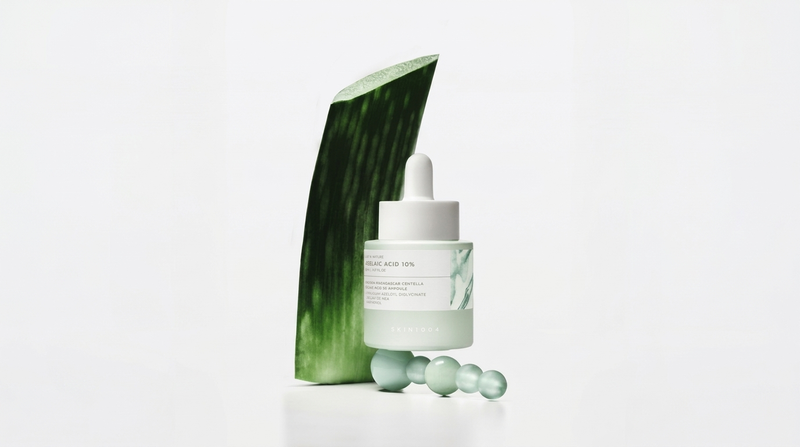
For anyone considering SKIN1004 Azelaic Acid 10 Ampoule, understanding that distinction makes it easier to set realistic expectations and choose a routine that suits their skin.
What does research say about azelaic acid for rosacea?
A paper published in the Journal of the American Academy of Dermatology reported two randomized, vehicle-controlled phase III studies evaluating 15% azelaic acid gel for papulopustular rosacea—rosacea with inflammatory bumps and pustules. The studies found improvements in inflammatory lesions and redness compared with the gel base without azelaic acid. Thiboutot et al., 2003
This research supports azelaic acid as a treatment option for that presentation of rosacea. It also highlights why the exact formula matters: the concentration, delivery system, and treatment instructions are part of what researchers tested.
A 10% cosmetic ampoule and a 15% medicated gel therefore serve different purposes. Results from the medicated gel cannot establish how well a particular cosmetic serum treats rosacea.
Will it help flushing, redness, and visible blood vessels?
Rosacea can involve several concerns, and they do not all respond to the same treatment.
Azelaic acid medication is particularly relevant when inflammatory bumps accompany redness. Frequent flushing, persistent background redness, or visible blood vessels may require a different approach. Dermatologists can tailor treatment to these features, including medications for persistent redness and laser or light treatments for visible vessels. AAD treatment guide
If redness is your main concern and you have never received a diagnosis, start by confirming what is causing it. That gives you a clearer basis for choosing both treatment and everyday skincare.
Where does SKIN1004 Azelaic Acid 10 Ampoule fit?
SKIN1004 Azelaic Acid 10 Ampoule is worth considering if you are looking for a lightweight cosmetic azelaic acid formula for blemish-prone skin and visible redness. It contains:
- 10% azelaic acid, with two additional azelaic acid derivatives.
- Centella asiatica extract and panthenol in the same formula.
- A watery texture with a fresh, non-sticky finish, useful if you prefer a lighter skincare step.
These are product features described on the official SKIN1004 product page.
For diagnosed rosacea, discuss its place in your routine with your dermatologist, particularly if you already use a topical treatment. The ampoule’s cosmetic positioning and ingredient list do not establish rosacea treatment efficacy or individual tolerability.
How should you introduce it to sensitive skin?
A simple routine makes it easier to notice how your skin responds. The AAD recommends gentle cleansing, moisturizing, sun protection, and testing new skincare before incorporating it fully into a rosacea routine. Avoid scrubbing or exfoliating irritated skin. AAD rosacea skincare tips
If the SKIN1004 ampoule fits your care plan, follow its specific adjustment instructions:
- During the first week, apply a pea-sized amount to areas of concern every other day.
- Gradually increase the amount and frequency as your skin adjusts.
- Follow with a moisturizing cream.
- Finish your morning routine with sunscreen.
These are the manufacturer’s directions for this cosmetic ampoule; follow your clinician’s instructions for prescribed medication. If a new product causes irritation, stop using it and discuss the reaction with your dermatologist.
How long does azelaic acid take to help rosacea?
For topical rosacea medications generally, the AAD notes that slight improvement may appear after three or four weeks, while a noticeable difference commonly takes two to three months. That is a treatment expectation, not a promised timeline for SKIN1004’s 10% ampoule. AAD treatment guide
Choose your next step around your main concern. For rosacea-related bumps, ask about clinically established azelaic acid treatment. For a lightweight cosmetic formula addressing blemish-prone skin and visible redness, explore SKIN1004 Azelaic Acid 10 Ampoule and check whether it fits your existing routine.
Research reference
Thiboutot D, Thieroff-Ekerdt R, Graupe K. Efficacy and safety of azelaic acid (15%) gel as a new treatment for papulopustular rosacea: results from two vehicle-controlled, randomized phase III studies. Journal of the American Academy of Dermatology. 2003;48(6):836–845. View paper