
Calming Serum for Facial Redness Without Breakouts
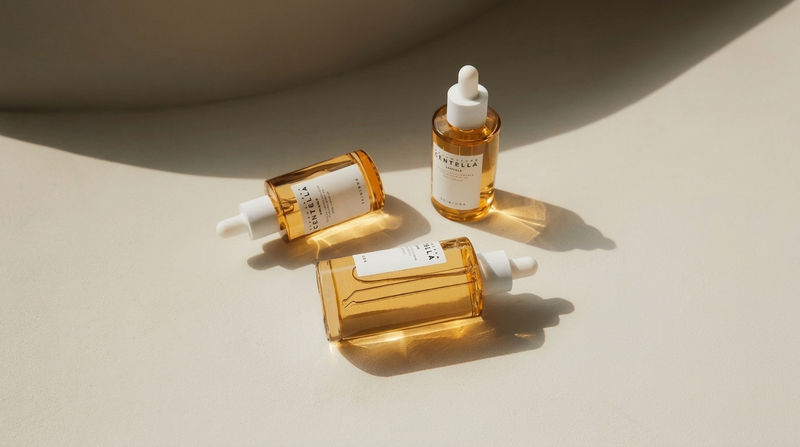
When your face stays red with no active pimples, the likely drivers are a compromised barrier or reactive blood vessels, so the serum worth trying is a soothing, hydrating one rather than an acne active. We formulate around Madagascan centella for exactly this situation, and our Centella Ampoule is the leave-on step we would start with. What it sits between matters as much as the serum itself: a pH-balanced cleanse before, a barrier moisturizer after, and no scrubbing in either direction.
We hear this from customers constantly. The blemishes cleared, the routine did its job, and the flush across the cheeks and nose stayed behind. It is a frustrating place to be, because most of the shelf is built for breakouts and almost none of it is built for what you are actually looking at.
What lingering redness usually means
Redness that outlives the breakouts is rarely one thing. A dermatology review in Clinics in Dermatology, indexed on PubMed, makes the point plainly: the red face is not a single condition and can stem from rosacea, contact dermatitis, drug-induced erythema, or simple blushing, among others.
Two patterns show up most often in the situation you are describing.
The first is barrier-related. Skin that has been cleansed hard, exfoliated often, or layered with actives loses water faster than it should, and the visible result is a warm, tight, pink face that reacts to everything. The second is vascular. Cleveland Clinic describes erythematotelangiectatic rosacea as persistent facial redness with enlarged, visible blood vessels, and notes that it comes and goes in flares.
A quick way to tell them apart at home: barrier redness usually arrives with tightness, stinging on application, and flaking, and it settles within days once you stop the irritant. Vascular redness tends to sit in the central face, spike with heat, exercise, alcohol, or spicy food, and return even when your routine is gentle. Neither self-check replaces a diagnosis, and the second pattern is worth showing a dermatologist.
Why the serum should soothe rather than treat
The instinct after a breakout phase is to keep treating. That instinct is what keeps a lot of faces red. The American Academy of Dermatology's rosacea skin care guidance is unusually direct about this. Its advice is to wash with fingertips rather than a cloth or sponge, avoid rubbing and scrubbing, and if you exfoliate, stop. The same page notes that in one study, the side of the face treated twice daily with a gentle moisturizing cream showed less dryness, peeling, and roughness after 15 days, and felt more comfortable.
A serum in this position has three jobs: deliver soothing and hydrating ingredients, absorb without residue so the moisturizer on top can do its work, and add nothing that stings.
What centella and panthenol are supported to do
Centella asiatica is the ingredient our whole range is built on, and the evidence behind it is about barrier support rather than redness removal.
A 2025 review in Pharmacia synthesizes the research from 2016 to May 2025 and describes the principal triterpenoids, asiaticoside and madecassoside plus their aglycones asiatic acid and madecassic acid, acting on barrier and inflammatory pathways including NF-κB and JAK/STAT3 attenuation. That is mechanism work and preclinical efficacy, and it explains why centella turns up in post-procedure and sensitive-skin formulas rather than proving any single cream will calm your face.
Panthenol has the more clinical record of the two. The 70th anniversary review of topical dexpanthenol in the Journal of Dermatological Treatment reports that twice-daily application over seven days significantly improved stratum corneum hydration and reduced transepidermal water loss compared with controls. In four controlled studies published in Cosmetics, dexpanthenol-containing products significantly decreased TEWL and dermal temperature after laser and chemical peel procedures, with reduced erythema, though they were not statistically different from petroleum jelly as the positive control.
The two ingredients have also been tested together. A double-blind randomized study of 60 subjects published in PMC gave a panthenol-enriched mask containing centella-derived madecassoside and bisabolol to one group after dual-wavelength non-ablative fractional laser, with saline dressing as control. The mask group showed a significantly lower erythema index at days 3, 7, and 14.
Read those results for what they are. They come from irritated or post-procedure skin under controlled conditions, on specific formulations that are not ours. What they support is the direction: a barrier-supporting, low-irritation leave-on step is a reasonable answer to a red, reactive face.
The serum we would start you on
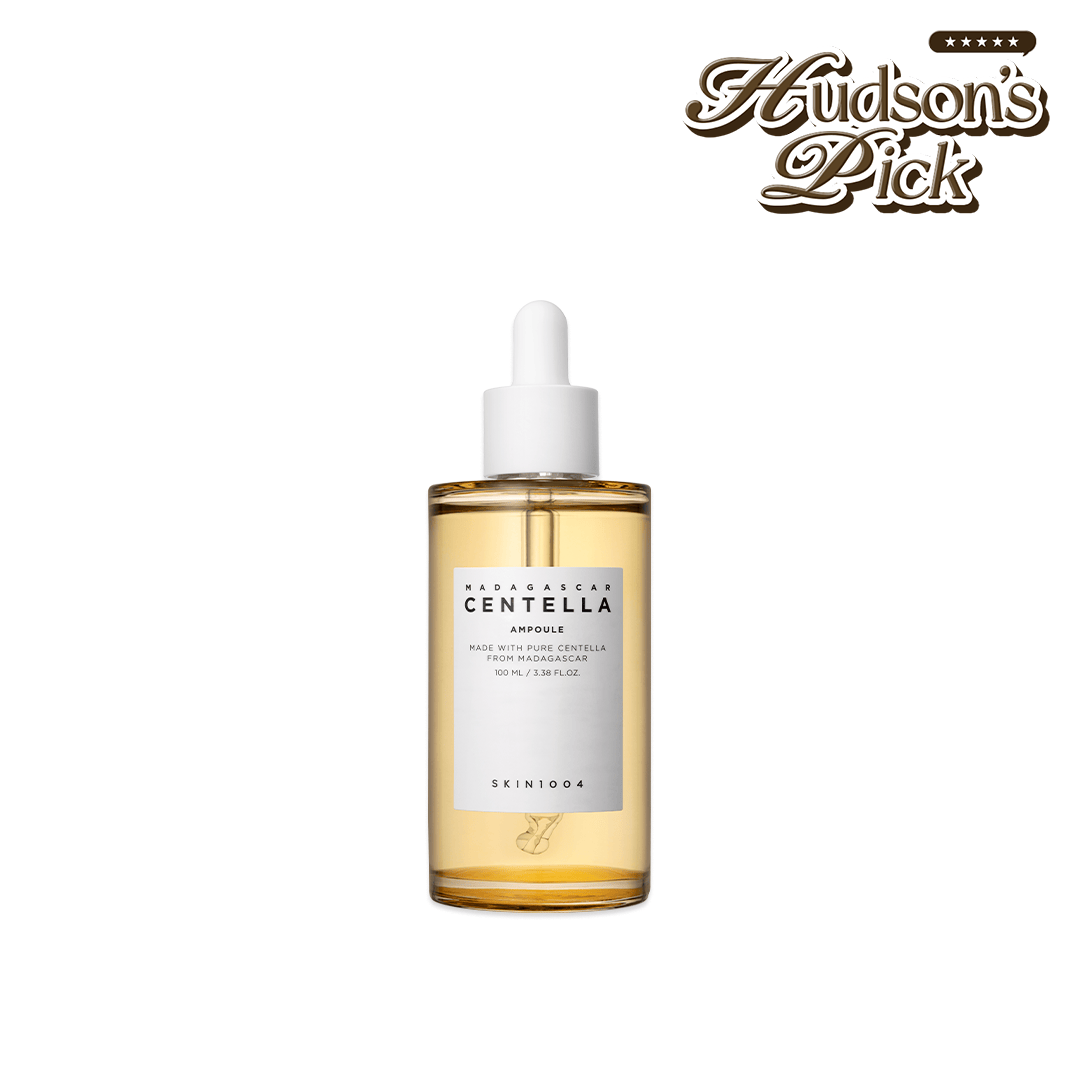
Our Centella Ampoule is formulated to help soothe visible redness and comfort sensitive-looking skin, using high quality Madagascan Centella Asiatica extract, and it suits all skin types with dry and delicate skin especially in mind. It is a single-focus ampoule with centella as the key ingredient, which is the point when your skin is already reacting to too many things. It lists at 17.6 USD.
If your redness sits alongside real dryness and a barrier that feels thin, the leave-on step to pair it with is our Centella Soothing Cream, a non-sticky soothing gel with centella, trehalose, and Ceramide NP that moisturizes and helps support the skin's natural barrier. For skin that reads more sensitive-looking than dry, our Centella Cream carries panthenol and TECA, the madecassoside, asiaticoside, madecassic acid, and asiatic acid complex named in the research above.
Centella Ampoule
19.8 USD
Shop now
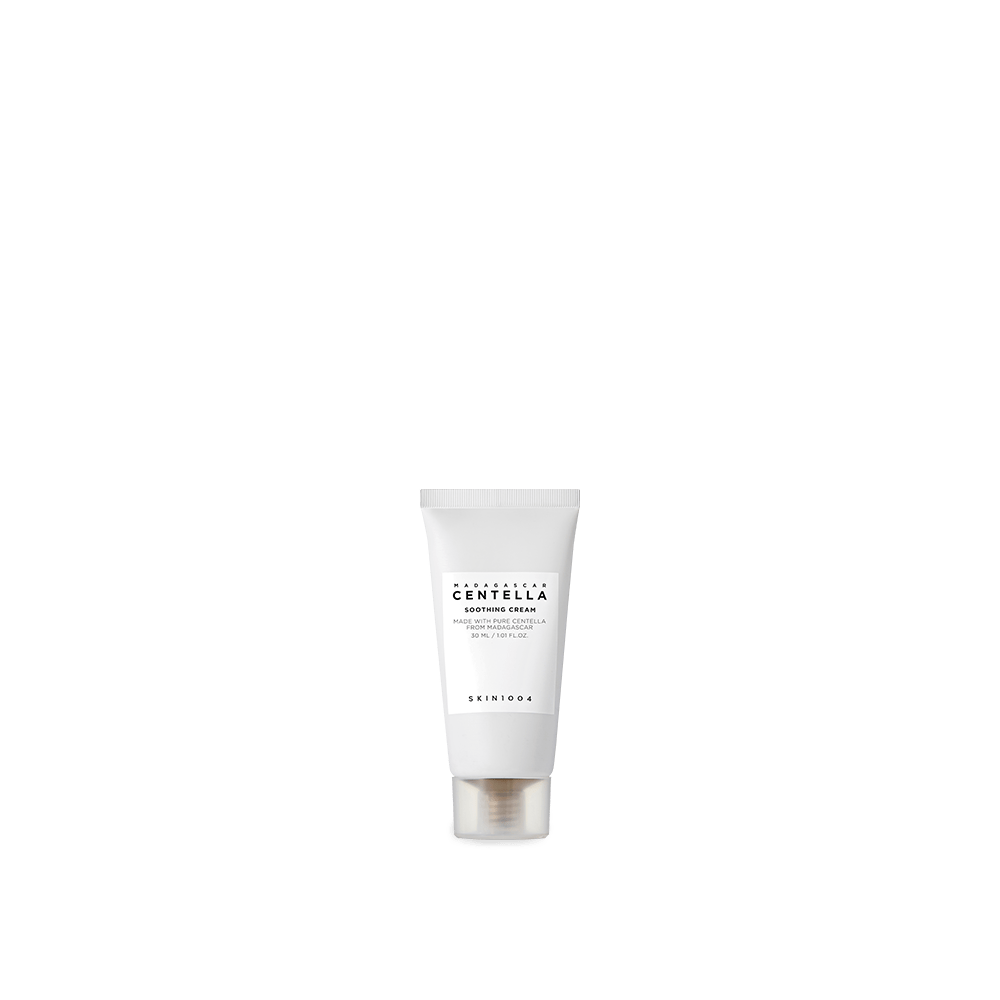
Centella Soothing Cream
7.5 USD
Shop now
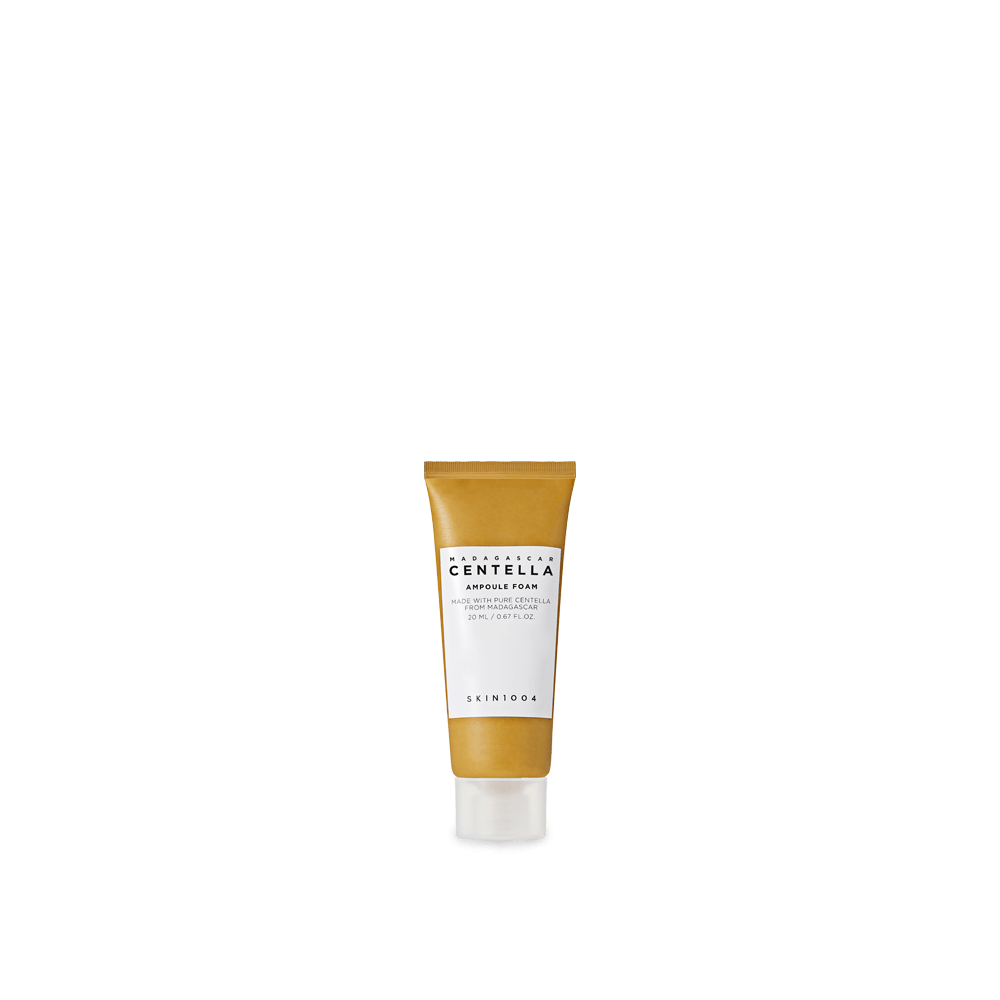
Centella Ampoule Foam
4 USD
Shop now
Where we would set expectations honestly: we describe these products as soothing and hydrating, and we do not make treatment claims for rosacea or any other diagnosed condition. If a vascular pattern is driving your redness, a serum supports comfort while a dermatologist addresses the cause.
A two-minute routine that lets the serum work
A calming serum applied over a stripped, stinging face will not read as calming. The sequence around it is doing half the work.
Cleanse without stripping. Our Centella Ampoule Foam has a specified pH of 5.5 ± 0.5 (5.0–6.0), with coconut-derived surfactants and citric acid, and it cleanses without leaving skin feeling dry or tight. Use fingertips, lukewarm water, and pat dry, following the AAD's gentle-handling advice above.
Apply the ampoule to skin that is dry to the touch. The AAD notes that moisturizer applied to dry skin is less likely to burn or sting, and the same logic holds for a leave-on serum on reactive skin. Press it in with your palms rather than dragging.
Seal it. Soothing Cream or Centella Cream on top, thin and even.
Pause the exfoliation. Our own Centella Toning Toner is a PHA exfoliating toner for daily use, and we would still tell you to leave it out while your face is actively red. Bring it back once the flush has settled, and only if it stays settled.
Wear sunscreen. The AAD calls sun one of the most frequent causes of a rosacea flare-up across all skin tones and recommends broad-spectrum SPF 30 or higher with water resistance, choosing micronized or tinted mineral formulas if a white cast is a concern.
Give it four weeks before you judge it. Barrier recovery in the studies above was measured over days and weeks, and changing three things at once leaves you unable to tell which one helped.
Signs it is time to see a dermatologist
Skincare is the right first move for mild, comfortable redness. Once the redness comes with vessels, bumps, or eye symptoms, a diagnosis should come before any new product.
Book an appointment if you see visible blood vessels, persistent central-face redness that returns regardless of what you use, papules or pustules mixed into the flush, or eye irritation and grittiness. Redness that is painful, swollen, scaling, or spreading also belongs in a clinic rather than on a shelf. Given how many distinct conditions produce a red face, the fastest route to the right product is often a correct diagnosis first.
FAQ
Can a calming serum make redness worse?
It can, if the formula contains fragrance, alcohol, menthol, or an active you have not tolerated before. Introduce one new product at a time and patch test it on a small area for a few days before applying it to your whole face. Stinging on application is a signal to stop rather than to push through.
Should I use a serum or go straight to a moisturizer?
If you only want one step, choose the moisturizer. The clinical support in the sources above is strongest for barrier-supporting leave-on hydration measured by TEWL and stratum corneum hydration. A serum earns its place when you want a concentrated soothing ingredient like centella under that moisturizer.
Does hydration help vascular redness at all?
Not at its cause. Dilated vessels are a circulatory finding and hydration does not narrow them. What a supported barrier does is reduce the added irritation layered on top, which is why dermatology guidance pairs gentle cleansing and daily moisturizing with medical treatment rather than substituting for it.
Is post-inflammatory redness from old breakouts the same thing?
No. Flat red or pink marks left where pimples healed are post-inflammatory erythema, a discoloration that tends to fade gradually with consistent sun protection. If your red areas are marks in the exact spots old blemishes sat, that is a different situation from diffuse flushing across the cheeks and nose.
How long should I keep a soothing routine before switching?
Four to six weeks of consistency, with no new actives introduced in that window. If nothing has changed by then, or the redness is worsening, that is your cue to see a dermatologist instead of trying the next serum.
If you want to start with the single step we would pick for lingering redness, our Centella Ampoule is the one, and it is worth pairing with the Centella Ampoule Foam so nothing upstream undoes it.