
Ampoule Step in a K-Beauty Routine: Layering Azelaic Acid
Where a K-beauty ampoule goes in the routine and how to layer a soothing ampoule with azelaic acid for sensitive skin, plus a 4-week schedule and results.
Updated October 2026
A K-beauty ampoule goes in the routine after toner and before moisturizer, on damp skin. You can layer a soothing ampoule with azelaic acid and keep irritation low on sensitive or oily skin: thinnest layer first, azelaic acid second, every other night for the first 2 weeks.
SKIN1004's Azelaic Acid 10 Ampoule combines 10.2% azelaic acid with 1.5% derivatives in a formula that already includes panthenol, allantoin and two centella asiatica extracts, so the soothing step and the treatment step share the same calming base. We're the SKIN1004 guide team, and below we walk through the order, the timing and the numbers that set realistic expectations.
Where the ampoule step goes in a K-beauty routine
A K-beauty routine moves from thin to thick. In the morning that means cleanser, toner, ampoule, cream and sunscreen. At night it is cleanser, toner, ampoule and cream. The ampoule is the concentrated step, the place where the active ingredients of the routine live, and it goes on while the skin is still damp from toner so its humectants can hold that water.
The cream comes after the ampoule because its job is to seal. A cream applied first would slow down how well the thinner layer reaches the skin, so the order matters for comfort as much as for results. When two ampoules share the same night, the watery one goes first and the thicker treatment ampoule goes on top once the first layer has absorbed, usually within a minute.
Why damp skin helps
Humectants such as glycerin, butylene glycol and sodium hyaluronate pull water toward the surface. On damp skin they have water to hold right away, which is why the ampoule step feels smoother and less tight when it follows toner closely. The Azelaic Acid 10 Ampoule lists all three humectants in its 27 ingredient formula.
Layering a soothing ampoule with azelaic acid
Azelaic acid is the treatment layer in this pairing, and a soothing ampoule is the buffer. Put the soothing ampoule on first, wait for it to absorb, then apply the azelaic acid ampoule over it. This order lets the calming layer meet the skin directly while the active arrives on skin that is already hydrated and settled.
For many people the extra layer is optional, because the Azelaic Acid 10 Ampoule is USD 20.40 for 30ml and its own ingredient list already includes calming ingredients after the azelaic acid: panthenol, allantoin, centella asiatica extract, beta-glucan, centella asiatica leaf extract and licorice root extract. Skin that still wants more comfort can add the Madagascar Centella Ampoule underneath as the soothing layer. If you want the background on how a 10% strength works on reactive skin, our guide on Azelaic Acid Serum for Sensitive Skin: How 10% Fits In covers it step by step.
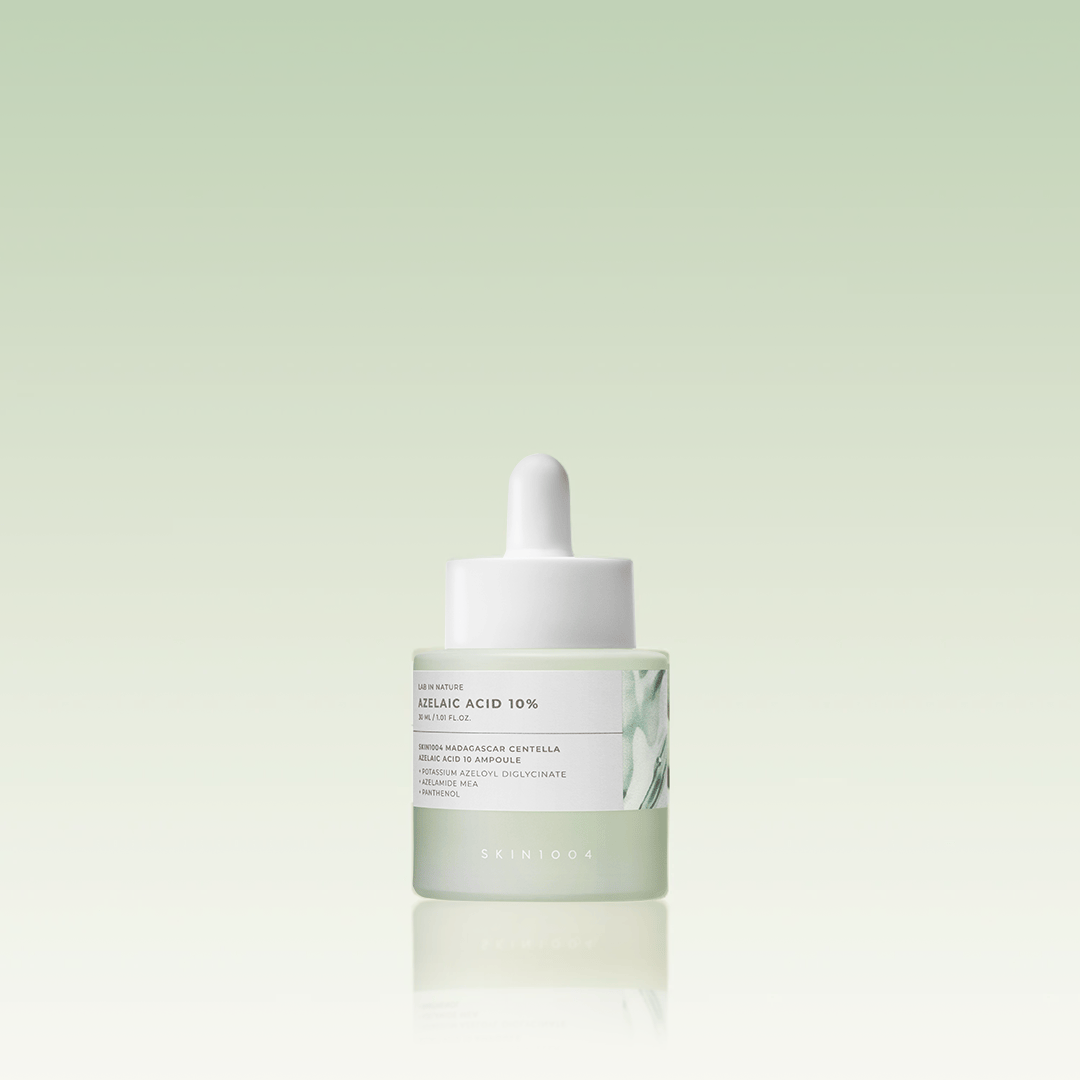
Azelaic Acid 10 Ampoule
21.6 USD
Shop now
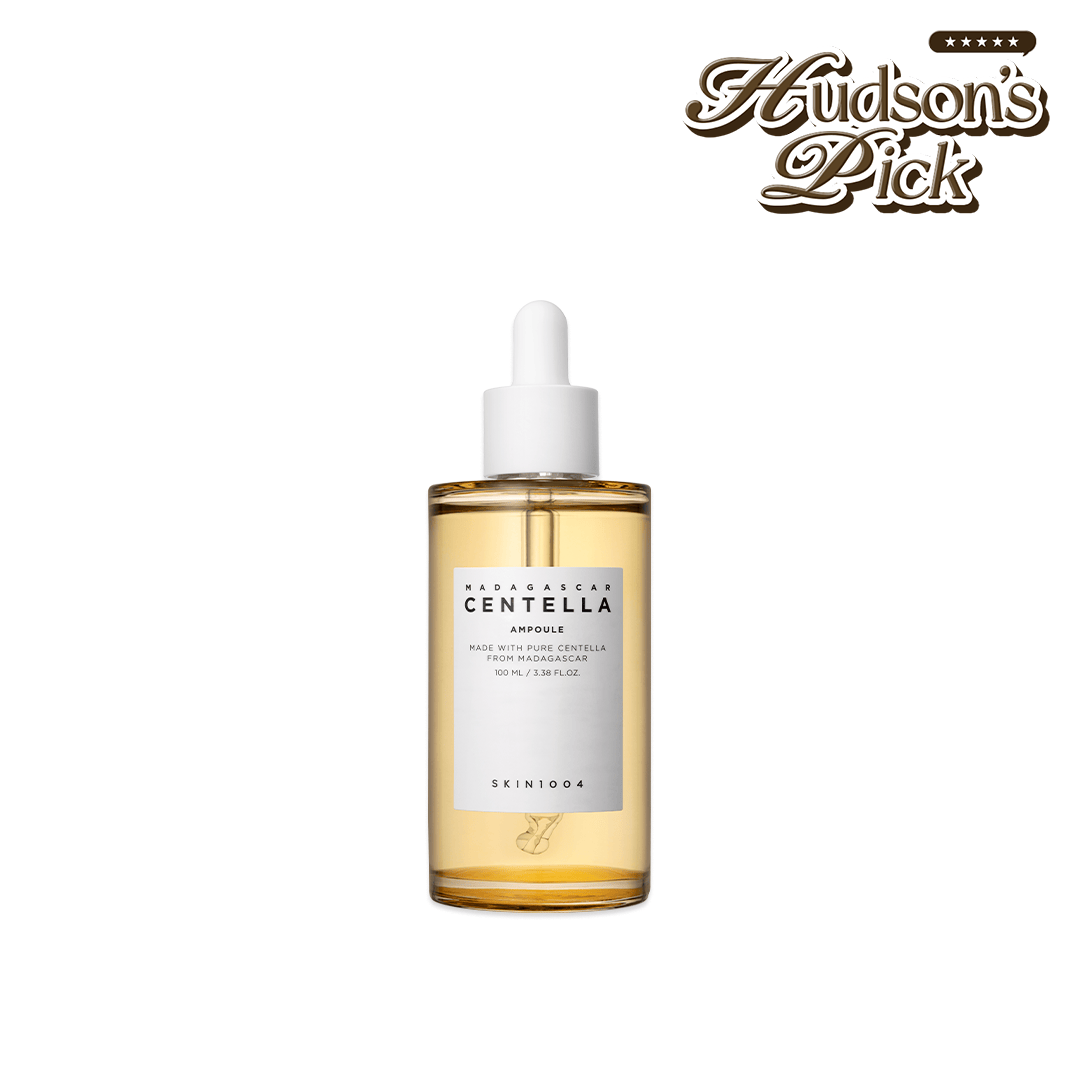
Centella Ampoule
19.8 USD
Shop now
How to keep irritation low
Irritation usually comes from too much, too often, too soon. Three habits keep it in check:
- Start at night, every other night, for the first 2 weeks.
- Use two to three drops for the whole face and spread them thin.
- Keep other exfoliating steps on different nights while your skin adjusts.
The Azelaic Acid 10 Ampoule has completed a sensitive skin irritation test and a primary skin irritation test with a 24 hour patch. Those two tests are the reason we suggest this ampoule as a first azelaic acid step for sensitive skin.
What the azelaic acid formula brings
SKIN1004 built this ampoule around three azelaic actives. Azelaic acid sits second in the ingredient list at 10.2%, and potassium azeloyl diglycinate and azelamide MEA add 1.5% as derivatives. The derivatives are water friendly forms that spread easily in a watery ampoule texture, which keeps the formula light on oily skin and comfortable on dry patches.
The rest of the list supports the barrier while the actives work. Panthenol and allantoin are classic comfort ingredients, beta-glucan and biosaccharide gum-1 add moisture, and tocopherol rounds out the formula. That makes the ampoule a treatment step and a calming step in one bottle, which simplifies the layering question for most routines.
Measured results that guide the schedule
In human application tests with 21 subjects, the results arrived on two timelines. The table groups them by when you can expect to see a change.
| Result | Timing | Measured change |
|---|---|---|
| Skin redness | Immediately after 1 use | 24.95% improvement |
| Skin moisture | After 1 use | 199.91% improvement |
| Skin turnover | After 10 days | 37.12% improvement |
| Sebum secretion | After 4 weeks | 53.98% improvement |
| Inflammatory acne lesions | After 4 weeks | 25.58% change |
Over the same 4 weeks, the non-inflammatory acne lesion count changed by 13.02%, dark spot area improved by 4.19% measured by VISIA-CA, and skin tone improved by 1.50%. Redness and moisture readings move right away, so the first nights tell you how your skin feels with the layering. Lesion, sebum and dark spot readings take a month, so give the routine 4 weeks before you judge those.
A simple 4-week layering schedule
Week 1 and 2: at night, apply toner, the soothing ampoule if you use one, then the Azelaic Acid 10 Ampoule every other night, followed by your cream. On the off nights, keep the soothing ampoule and cream only.
Week 3 and 4: move to nightly use when your skin stays comfortable through the first 2 weeks. Keep the morning routine light and finish with sunscreen every day, because daily UV protection helps you keep the turnover and dark spot progress. SKIN1004's Hyalu-Cica Water-Fit Sun Serum is the morning finish we pair with this routine.
For redness that leans toward rosacea, we explain the mechanism in Azelaic Acid Serum for Rosacea and What It Does for Skin, and the strength question is covered in Azelaic Acid: How to Use It, Results Timeline and Purging.
Matching the layering to your skin type
Oily skin usually does well with the Azelaic Acid 10 Ampoule alone under a light gel cream, since the watery texture absorbs fast and the sebum result builds over 4 weeks. Combination skin can apply the ampoule to the whole face and add the soothing layer only on cheeks that feel tight. Dry and sensitive skin benefits most from the full order: soothing ampoule first, azelaic acid second, a richer cream on top to seal both layers.
FAQ
Does the ampoule go before or after moisturizer?
The ampoule goes before moisturizer. Apply it after toner on damp skin, let it absorb for about a minute, then seal it with cream.
Can I layer a soothing ampoule under azelaic acid?
Yes. Apply the soothing ampoule first and the Azelaic Acid 10 Ampoule over it once the first layer has absorbed. The soothing layer acts as a buffer while your skin gets used to the active.
How often should I use azelaic acid at first?
Start every other night for the first 2 weeks. Move to nightly use when your skin stays comfortable, and keep other exfoliating steps on separate nights during that period.
When will I see results from the Azelaic Acid 10 Ampoule?
Redness and moisture changed immediately after one use in testing on 21 subjects. Skin turnover improved after 10 days, and sebum, acne lesion and dark spot results were measured after 4 weeks.