
Sunscreen Breakouts on Dry Skin: Which Layer to Change

If sunscreen gives you breakouts but your skin still feels dry, split the work between two products: a broad-spectrum SPF 30+ sunscreen labelled non-comedogenic for protection, and a separate lightweight hydrating layer underneath that has its own comedogenicity evidence. Because "non-comedogenic" has no legal definition in the US, the most useful check is whether the finished product was tested on people. The dryness itself often comes from acne treatment, so the answer is rarely a richer sunscreen.
Morning light should feel easy on the skin. For a breakout-prone face that also runs dry, it often brings a trade-off: the sunscreen rich enough for tight cheeks seems to leave new bumps, and the lighter one leaves skin parched by noon. We make Centella skincare at SKIN1004, so in this guide we will also be plain about what our own products can and cannot claim here.
THE DRYNESS MAY BE THE TREATMENT
If you already use acne treatment, that care can be the source of the tightness. The American Academy of Dermatology's 2024 acne guideline, as summarized by Medscape, lists dryness, peeling and burning among the side effects that can limit topical retinoid use, and describes dryness and stinging with benzoyl peroxide as well.
The guideline itself, published in the Journal of the American Academy of Dermatology, notes that retinoid irritation may be eased by using the treatment less often and pairing it with emollients. It also points out that topical retinoids may cause photosensitivity, and that daily sunscreen can reduce sunburn risk. The people most likely to feel dry from treatment are also the people who most need sunscreen every day.
This changes the fix. Reaching for a heavier sunscreen to soothe dryness piles richness onto the one product you most need to keep pore-friendly. The AAD's advice for people on isotretinoin, a treatment that dries skin strongly, separates the jobs instead: apply a non-comedogenic moisturizer (the label may say "oil-free") while skin is still damp after cleansing, and use an oil-free, non-comedogenic sunscreen with SPF 30 or higher outdoors (AAD). The same page suggests limiting cleansing to twice a day and after sweating.
WHAT THE LABEL CAN PROVE
The AAD tells people with acne to look for sunscreen that says "non-comedogenic" or "won't clog pores" (AAD acne tips), and to choose broad-spectrum, water-resistant protection of SPF 30 or higher (AAD acne treatment). That label is the right first filter. It is also a weaker promise than most shoppers assume.
A 2025 review in JAAD Reviews states that the US Food and Drug Administration has no legal definition for the term, so manufacturers can make non-comedogenic claims without regulation. The authors describe a lack of standardized testing, criticize methods that test isolated ingredients instead of the finished formula, and call for human-based testing on final formulations. Acne.org makes a similar point from the shopper's side: in-use trials on real people are the strongest evidence, and they are expensive, so they are uncommon.
So read the claim with four questions in mind:
| Question to ask the brand | Stronger answer | Weaker answer |
|---|---|---|
| Was the finished product tested, or only its ingredients? | The finished formula was tested | Only ingredient ratings are cited |
| Was the test done on people? | A human-use test is described | No test is described |
| Did the test involve repeated use on the face? | Repeated application on facial skin | A single application on another body site |
| Does the claim appear in your market? | The wording is on the packaging you buy | The claim appears only on another market's box |
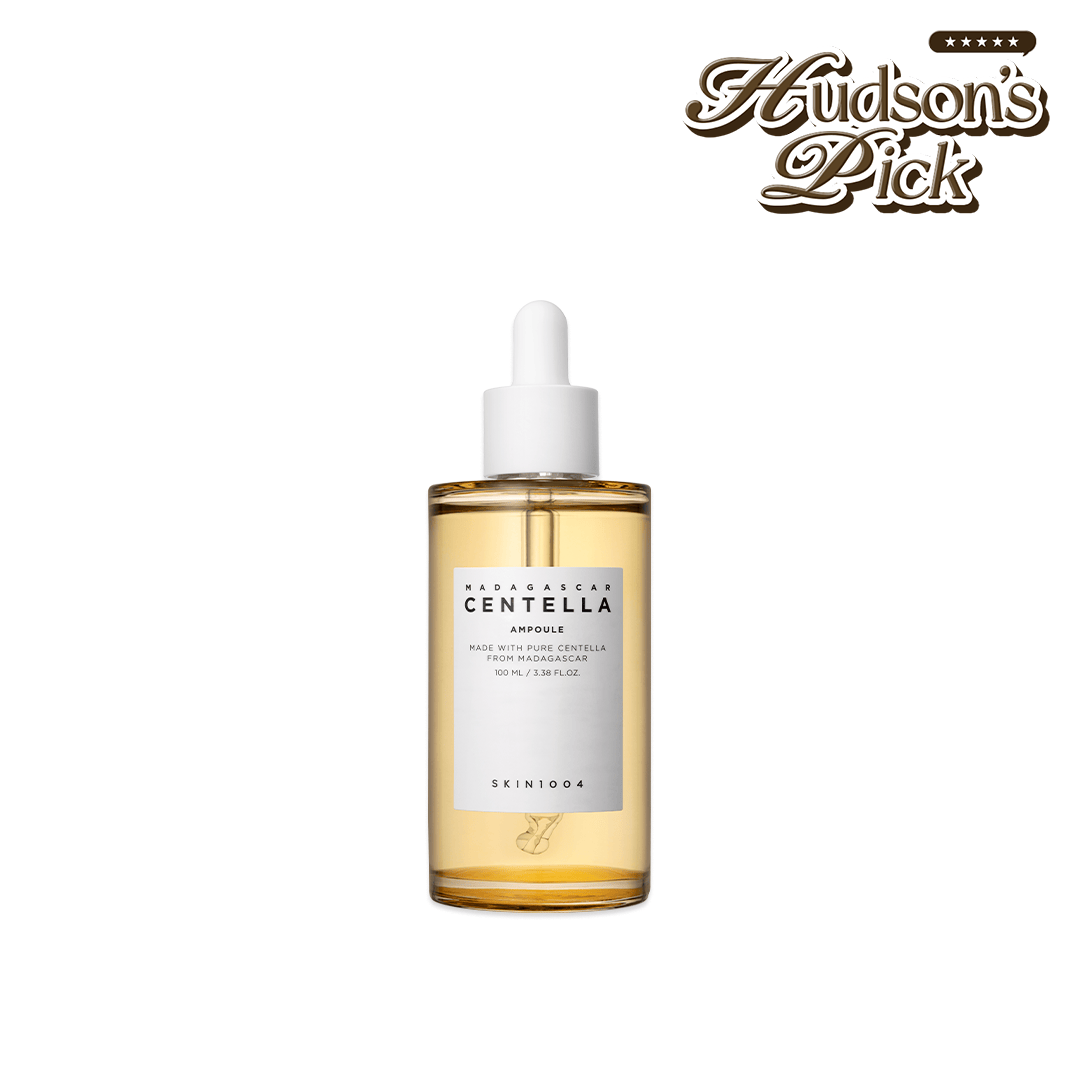
The last row matters more than it looks. Our own Centella Ampoule completed a human non-comedogenicity test, yet the statement appears on its Korean packaging and is absent from the US/Canada and EU/UK packaging. A missing word on a box can mean a product was never tested, or simply that the claim was not printed in that market. When it matters to you, ask the brand directly.
HOW TO SPLIT THE TWO JOBS
Here is the order we suggest for a morning routine on dry, breakout-prone skin. Each step has one role.
- Cleanse gently. Use a mild cleanser, and keep washing to twice a day and after sweating, as the AAD advises.
- Hydrate with a separate layer. Apply a lightweight hydrating product with comedogenicity evidence while skin is still slightly damp. This is where dryness gets handled.
- Protect last. Finish with a broad-spectrum SPF 30+ sunscreen labelled non-comedogenic, in the amount its label directs. Spreading it thinner to make it feel lighter lowers protection. If the combination feels heavy, change the layer underneath and keep the sunscreen dose. Our guide to sunscreen pilling and the layers underneath covers texture conflicts in more detail.
Evening is when many prescription steps happen. Dermatologists often recommend applying a topical retinoid in the evening, and the AAD notes that some people apply moisturizer first when using a stronger retinoid, but only with their dermatologist's guidance (AAD).
Change one product at a time. The AAD warns that switching acne treatments too often can irritate skin and trigger breakouts (AAD acne tips). If you swap your sunscreen and your moisturizer in the same week, you also lose the ability to tell which one caused a flare.
Plenty of facial sunscreens carry the label. Eucerin, for example, states that its sun protection products are non-comedogenic. Use the four questions above on any brand you consider, including ours.
OUR TWO PRODUCTS, ASSESSED
We focus here on two SKIN1004 products that people bring to this exact routine. They sit on different sides of the evidence line.
| Centella Ampoule | Hyalu-Cica Water-Fit Sun Serum (Korean market) | |
|---|---|---|
| Role in this routine | Hydrating layer (step 2) | Sunscreen (step 3) |
| What the official page states | Soothing and hydrating, suitable for all skin types, especially dry and delicate skin; absorbs without a sticky feel (SKIN1004 official product page) | Chemical sunscreen, SPF 50+ and PA++++, non-sticky serum-like texture, no white cast (SKIN1004 official product page) |
| Hydrating ingredients | Glycerin and Butylene Glycol in the official ingredient list; no Sodium Hyaluronate | Centella Asiatica Extract, Sodium Hyaluronate and Hyaluronic Acid in its ingredient list |
| Comedogenicity evidence | Completed human non-comedogenicity test | No comedogenicity test we can confirm |
| Other testing | See our non-comedogenic ampoule guide | A human-use hydration test measured skin moisture on the forearm; it did not assess pores or facial breakouts |
Centella Ampoule. Madagascan Centella asiatica extract, designed to comfort sensitive-looking skin and to help soothe visible redness. For the question in this article, its most relevant fact is the completed human non-comedogenicity test on the finished formula, which is the kind of evidence the JAAD Reviews authors call for. That makes it our fit for step 2. It is an ampoule, so it does not replace sunscreen.
Hyalu-Cica Water-Fit Sun Serum (Korean market). A dewy, hydrating sun serum. Its hydration testing is real, but it measured moisture, not pore response. We have not confirmed a comedogenicity test for it, so we do not call it non-comedogenic. On the criterion this question sets, it does not meet the bar. If your skin tolerates it well, its hydration may suit dry skin. If you are choosing specifically to avoid breakouts, pick a sunscreen that carries the claim with testing behind it.
One market note: in the US, SKIN1004 sells a different product, the Hyalu-Cica Water-Fit Sun Serum UV. It is an OTC sunscreen with other active ingredients (avobenzone, homosalate, octisalate and octocrylene, per SKIN1004's official product page for that item). Nothing in this article about the Korean formula's testing applies to it.
Centella Ampoule
19.8 USD
Shop now
FAQ
Is it safer to skip sunscreen until my breakouts clear?
No. The AAD notes that tanning damages skin and can worsen acne (AAD acne tips), and topical retinoids can make skin more sensitive to the sun (JAAD). Keep a non-comedogenic sunscreen, and add shade and sun-protective clothing.
My new breakouts are mostly on my forehead. Is it the sunscreen?
Possibly, but check your hair too. According to the AAD, oil from hair can cause acne on the forehead, and it suggests shampooing more often and keeping hair off your face if your hair is oily.
Does reapplying sunscreen during the day make breakouts worse?
Reapplication itself is part of good protection. The habit to watch is touching: the AAD says touching your face throughout the day can make acne flare (AAD acne tips). Reapply with clean hands, in the amount your sunscreen's label directs.
When should I see a dermatologist?
The AAD recommends seeing a board-certified dermatologist if breakouts continue after you follow these steps, and notes that acne treatment can take several weeks to a few months to show a difference (AAD acne tips). A dermatologist can also adjust a treatment that is drying your skin. For more on choosing supportive layers, see our guide to barrier serums for acne-prone skin.
If you are looking for a lightweight hydrating layer with a completed human non-comedogenicity test, discover the Centella Ampoule and pair it with the non-comedogenic sunscreen you trust.