
Barrier Repair Serum for Acne-Prone Skin: How to Pick

A barrier repair serum for acne-prone skin should be lightweight, fragrance-free, comfortable under a retinoid or benzoyl peroxide, and built around the specific deficit measured in acne skin: reduced stratum corneum ceramides and raised water loss. Judge it on five things, which are ingredient logic, texture and layerability, pH compatibility with your actives, fragrance and irritant load, and honesty about what the serum step can carry versus what belongs in the cream step. A serum of this kind supports comfort and treatment adherence, and it does not clear lesions on its own.
A hush settles over the highlands of Madagascar, where the Centella asiatica in our formulas is grown and harvested. We make calm, minimal skincare for skin that reacts easily. The question we are asked most often is how to stay comfortable while the treatment that clears a breakout is drying everything out.
This guide sits alongside our broader barrier serum guide for acne-prone skin and goes one level deeper into the treatment-adjacent case: choosing and sequencing a barrier step while a retinoid or benzoyl peroxide is already in the routine.
Acne Skin Begins With a Lipid Deficit
The barrier problem is present before any treatment starts. A review in the Journal of Cosmetic Dermatology (2023) describes a comparison of 65 young men, 36 with mild to moderate facial acne and 29 without, in which the acne group showed elevated transepidermal water loss and lower conductance than the healthy group.
The lipid chemistry behind that reading has been mapped in some detail. Analysis published in Archives of Dermatological Research found significantly lower sphingolipid levels in both mild and moderate acne patients than in controls, with no equivalent difference in the other major stratum corneum lipid classes. Later mass-spectrometry work indexed on PubMed identified 283 ceramide species in the stratum corneum and reported overall lower ceramide levels in acne-affected skin, with the acylceramides CER[EOS] and CER[EOH] among those reduced. That study also found the gap widened in winter and partly resolved in summer, which is why a routine that felt fine in August can start stinging in November.
Then treatment lands on top of it. The AAD guideline summary for acne management notes that topical retinoid use can be limited by burning, dryness, erythema, exfoliation and peeling, and that irritation is more common at higher concentrations and may be mitigated by reduced frequency and concurrent emollient use (Medscape summary of the AAD guideline). Benzoyl peroxide carries a similar profile of stinging, dryness and peeling. The American Academy of Dermatology puts moisturizer inside the treatment plan for exactly this reason.
What the Serum Step Can Actually Carry
Barrier support splits into three jobs, and a thin aqueous serum is good at two of them.
Humectants such as glycerin, betaine, panthenol and sodium hyaluronate pull water into the stratum corneum. Soothing actives, including Centella asiatica extract, sit comfortably in a water-based vehicle. Replacing the missing lipids is the third job, and ceramides, cholesterol and fatty acids need an emulsion to be delivered at any useful level. That job belongs to a cream or a lotion.
So the honest framing of a barrier serum for acne-prone skin is a hydration and soothing layer that makes the lipid step lighter and more tolerable, applied before it. Anyone selling a single clear serum as a complete barrier rebuild is skipping the chemistry.
The clinical work supports the pairing rather than the serum alone. A double-blind study of adjunctive care during acne treatment, in which participants used a prescribed adapalene/benzoyl peroxide gel with either a ceramide-containing cleanser and lotion or a basic face wash, measured TEWL alongside lesion counts and investigator global assessment (PubMed). The design tells you what the target is: tolerability and barrier function measured in parallel with the acne outcome, on the same visits as the lesion counts.
Five Criteria We Apply
| Criterion | What to look for | Why it matters here |
|---|---|---|
| Ingredient logic | Humectants plus a soothing active in the serum; ceramides, cholesterol and fatty acids in the layer above it | Acne skin is measurably ceramide-poor, and a serum cannot deliver lipids well |
| Texture and layerability | Absorbs without tack, sits under a prescription topical and sunscreen without rolling | Pilling and slip make people skip steps, and adherence is the variable that decides outcomes |
| Compatibility with your actives | A mildly acidic to near-neutral leave-on, no exfoliating acid stacked on the same night as a retinoid | Layering two irritants is the most common cause of a barrier crash mid-treatment |
| Irritant load | Fragrance-free or very low fragrance, short ingredient list, no essential oil blends | Reactive skin under treatment has a lower threshold than the same skin at baseline |
| Comedogenicity honesty | Look for a "non-comedogenic" claim and check whether the brand states how it was assessed | The AAD advises non-comedogenic choices for acne-prone skin, and the label is only as good as the testing behind it |
The last row cuts against us as much as anyone. Our own published product pages describe skin type suitability and key ingredients, and they do not publish comedogenicity testing protocols. Treat that as a gap to ask about, including with us.
Where Centella Sits in the Evidence
Centella asiatica is the reason our range exists, so we want to be precise about what has been shown and in whom.
A double-blind trial in 30 Indonesian batik workers with dry skin but no clinical contact dermatitis compared creams containing Centella asiatica or ceramide, measuring TEWL, stratum corneum hydration and skin pH over repeated visits. The authors concluded that both could improve skin barrier hydration in this occupational-irritant setting (PubMed). Thirty participants is small, and the population was occupationally irritated hands and arms rather than acne-prone faces.
A prospective observational study in the Journal of Cosmetic Dermatology (2025) assessed a cream combining Centella asiatica leaf extract, ceramide NP and panthenol in sensitive skin, reporting improvements in dryness, sensitivity and facial redness on subjective and instrument-measured parameters. Observational designs without a control arm cannot separate the formula from regression to the mean or from the effect of simplifying a routine.
Mechanistic reviews attribute the plant's activity to triterpenoid saponins including madecassoside and asiaticoside, working through anti-inflammatory and matrix pathways (Pharmacia review, 2025). Useful as background, and laboratory and preclinical work sits a step short of a clinical result on acne-prone facial skin.
Our reading of that body of evidence is that Centella is a well-supported soothing and hydration-supporting ingredient for reactive skin, with the strongest barrier data appearing when it is combined with ceramides.
How Our Own Range Maps Onto the Criteria
We formulate the serum step and the lipid step as two separate products, because that is what the chemistry asks for.
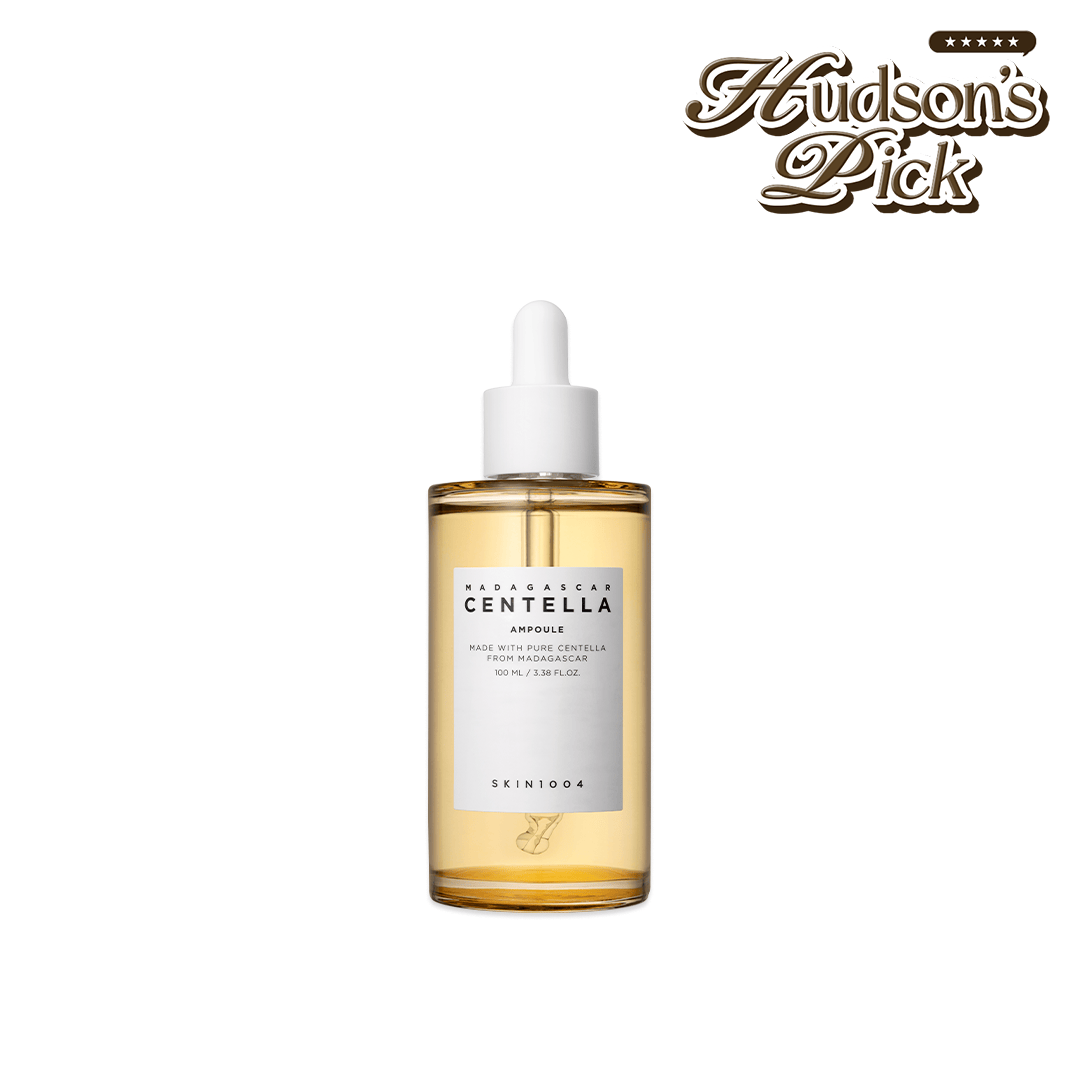
Centella Ampoule is our single-focus soothing ampoule, formulated with Madagascan Centella asiatica extract to help soothe visible redness and comfort sensitive-looking skin, suitable for all skin types and especially dry and delicate skin. It is the hydration and soothing layer, priced at 17.6 USD. It carries no ceramides, so a lipid layer still belongs above it.
Centella Soothing Cream is where the lipids are. It is a non-sticky soothing gel formulated with Centella asiatica extract, trehalose, sodium hyaluronate, Ceramide NP and cholesterol, which moisturizes and helps support the skin's natural barrier, at 7.5 USD. Ceramide NP with cholesterol is the combination the barrier literature above keeps pointing at.
Centella Ampoule Foam matters because cleansing sets the starting point for everything after it. It is pH-balanced at pH 5, using coconut-derived surfactants and citric acid, and cleanses without leaving skin feeling dry or tight, at 4 USD.
Centella Ampoule
19.8 USD
Shop now
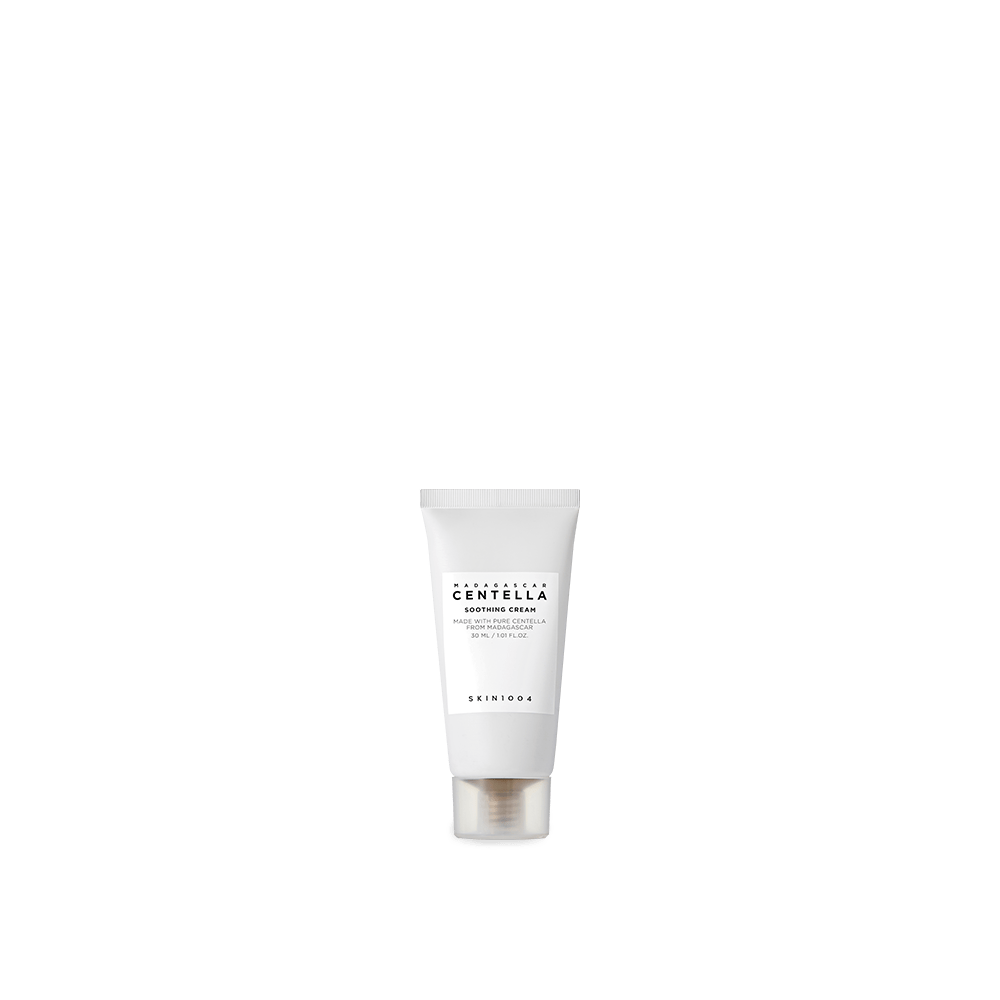
Centella Soothing Cream
7.5 USD
Shop now
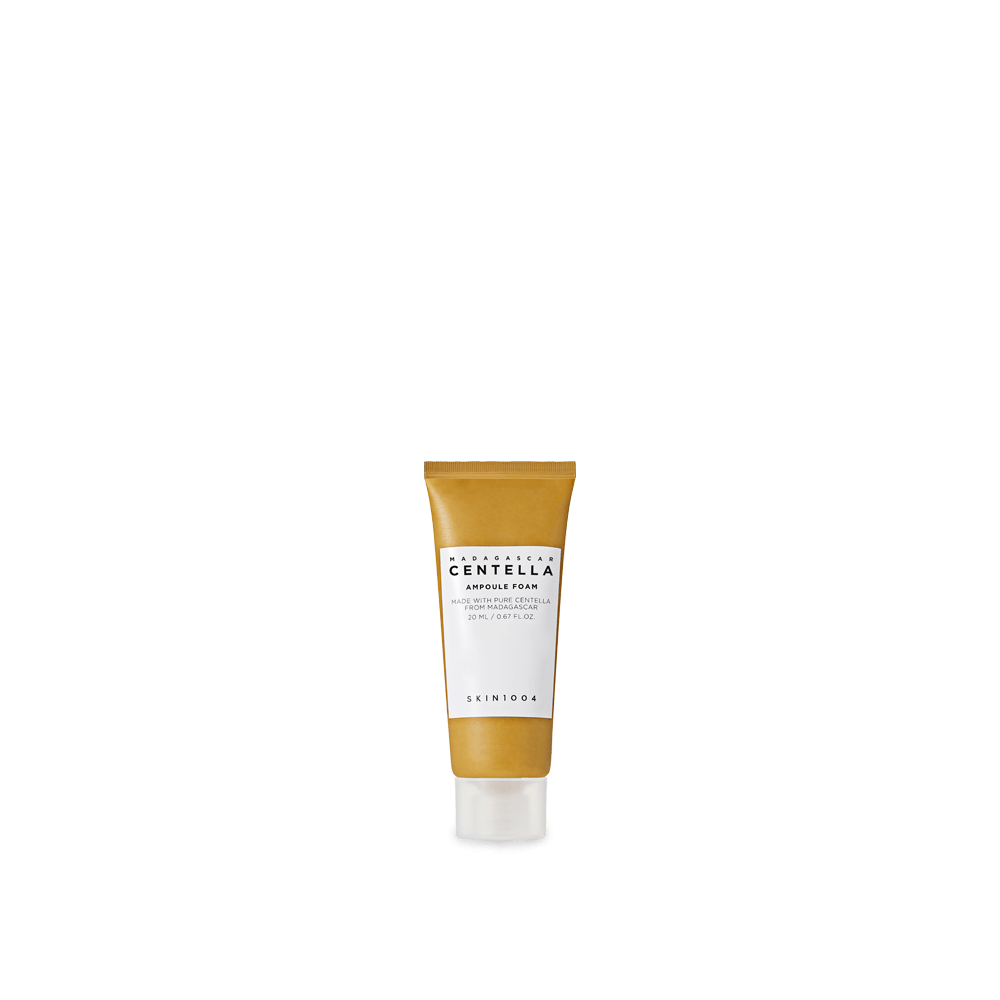
Centella Ampoule Foam
4 USD
Shop now
One further note against our own interest. Our Centella Toning Toner is a PHA exfoliating toner with gluconolactone, designed for daily use on normal and sensitive-looking skin. Gentle as PHA chemistry is, an exfoliating step is still an exfoliating step. If your barrier is currently stinging under a retinoid, pause it rather than stacking it.
Sequencing It Around a Retinoid or Benzoyl Peroxide
The order we suggest for barrier-stressed, acne-prone skin on a prescribed topical:
- Cleanse with a pH-balanced, non-stripping cleanser, morning and evening.
- Apply the soothing hydration layer to slightly damp skin.
- Apply your prescribed topical as your clinician directed, usually in the evening for a retinoid.
- Seal with the ceramide-containing cream.
- Use broad-spectrum SPF 30 or higher every morning, and choose a non-comedogenic formula, which the AAD recommends alongside retinoid use because of photosensitivity.
If a stronger retinoid is stinging, the AAD's own patient guidance includes applying moisturizer first, and adds that changes to a retinoid regimen should be made with your dermatologist's help. That instruction outranks any sequence a brand publishes, including ours.
Two behaviours to skip while the barrier is recovering: introducing more than one new product at a time, and increasing retinoid strength or frequency in the first comfortable week. If your skin is oily by midday and tight at the same time, our guide on oily-dehydrated skin works through that pattern in more detail.
What a Barrier Serum Will Not Do
It will not treat acne. The 2024 AAD guideline update issued strong recommendations for topical benzoyl peroxide and topical retinoids such as adapalene, tretinoin, tazarotene and trifarotene, along with oral and topical antibiotics in the appropriate cases (AAD). Barrier care sits beside those therapies and helps people stay on them.
It will also not fix a routine that is doing too much. Persistent stinging, new clusters of bumps after a product change, or redness that does not settle are signals to simplify and speak to a dermatologist rather than to add a further product.
FAQ
Should the barrier serum go on before or after my prescription topical?
Before it, in most routines, so the medication meets skin that is hydrated rather than tight. When a stronger retinoid is causing irritation, the AAD notes that applying moisturizer first can help, and asks that regimen changes be made with your dermatologist.
Can a Centella ampoule replace a ceramide cream?
No. The barrier deficit measured in acne skin is a lipid deficit, and lipids need an emulsion to be delivered. Use a soothing ampoule for hydration and comfort, then a ceramide-containing cream above it.
Is a PHA toner safe to keep using while my barrier is compromised?
PHAs such as gluconolactone are the gentlest of the common exfoliating acids, and they still add exfoliation on top of a retinoid or benzoyl peroxide. Pause exfoliation while skin is stinging or flaking, and reintroduce it at reduced frequency once comfort returns.
Why does my barrier feel worse in winter?
Ceramide levels in acne skin appear to vary seasonally. The mass-spectrometry study on PubMed found the ceramide reductions in acne skin were more apparent in winter and partly resolved in summer, tracking with higher water loss in the colder months.
Does azelaic acid change the barrier plan?
It follows the same principle of one active at a time with a lipid layer above it. We cover the specifics in our guide on azelaic acid for oily skin.
Pause, simplify, then rebuild. If you want to start with the lipid step, our Centella Soothing Cream is the formula in our range built with Ceramide NP and cholesterol.