
Gentle Serum for Rosacea-Prone Red Cheeks: What to Choose

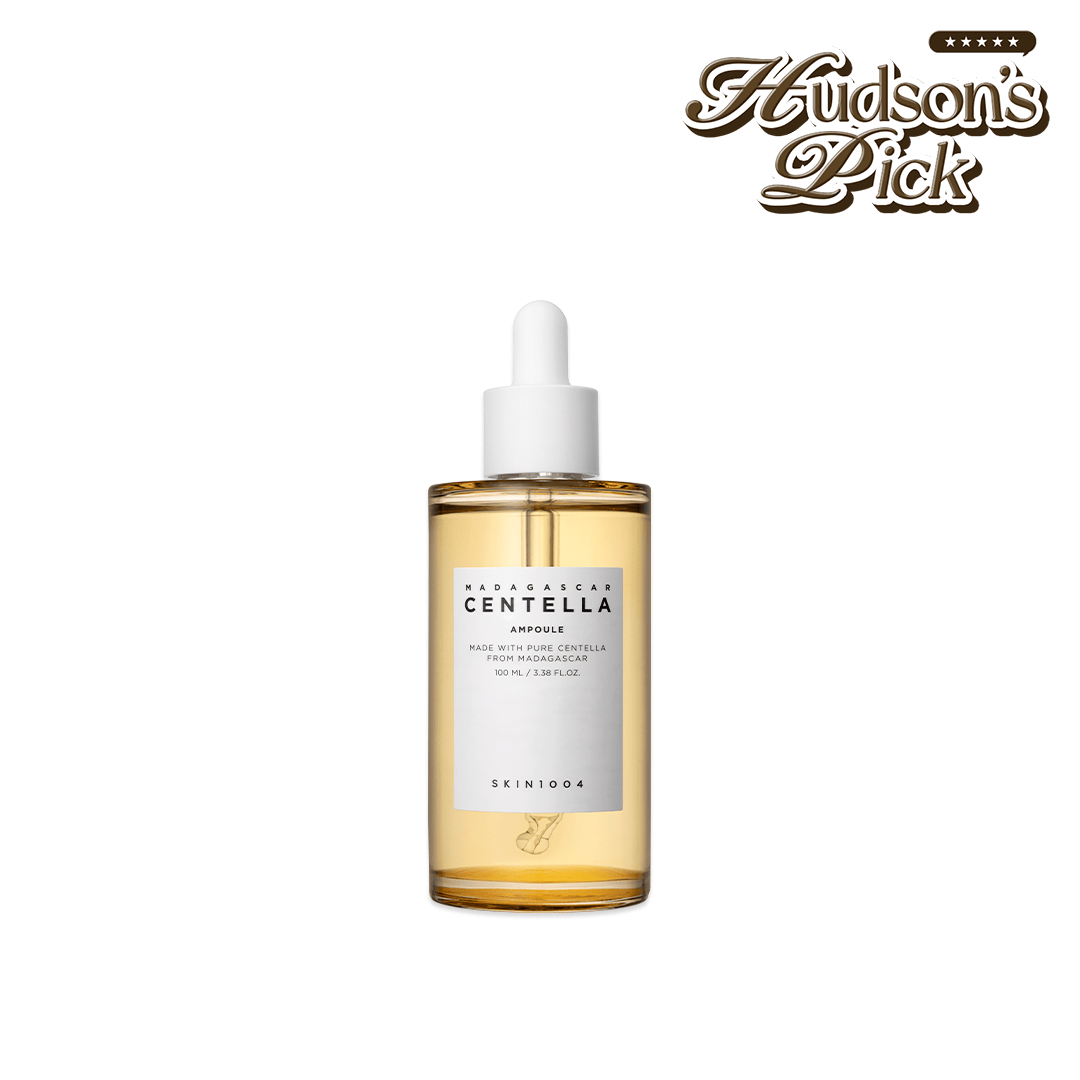
If you have rosacea and your cheeks redden easily, the gentlest serum is a short, fragrance-free formula without common rosacea irritants, patch tested for 7-10 days and used alongside the treatment your dermatologist prescribes. From our own range, we suggest the Madagascar Centella Ampoule, a seven-ingredient centella serum with glycerin and butylene glycol that is positioned to comfort sensitive-looking skin. We have no rosacea-specific evidence to publish for it, so treat it as supportive daily care rather than a redness treatment.
A warm room, a cold wind or a long day can leave rosacea-prone cheeks hot and tight. We build our skincare around Madagascar Centella, and in this guide we explain how we would choose a serum for skin like yours, where our own ampoule fits, and where its evidence ends.
Where Treatment Ends and Skincare Begins
Rosacea is a medical condition, and its persistent redness and bumps respond to prescribed care. The American Academy of Dermatology (AAD) reports that , and that metronidazole gel or cream can reduce both redness and acne-like breakouts.
A clinical review of rosacea management in PubMed Central adds a point that matters for daily routines: flushing is better prevented than treated, by avoiding triggers, using moisturizers to reduce transepidermal water loss, and blocking ultraviolet light.
That prevention layer is where a cosmetic serum belongs. It can add comfort and hydration to a routine. No cosmetic, including ours, is proven to treat rosacea, so a new serum should never replace a diagnosis or a prescription.
What Makes a Serum Gentle Enough?
Products themselves are a common trigger. In a National Rosacea Society survey of 1,066 patients, 41% said certain skin care products aggravated their condition. In the society's surveys, respondents most often named alcohol (66%), witch hazel (30%), fragrance (30%) and menthol (21%) as irritants.
The AAD's rosacea skin care tips list alcohol, camphor, fragrance, glycolic acid, lactic acid, menthol, sodium lauryl sulfate and urea as ingredients to avoid on the face, and suggest choosing products labelled noncomedogenic and made for sensitive skin. As board-certified dermatologist Lycia Thornburg, MD, FAAD, put it in that AAD guidance: ""
We turn that guidance into a simple checklist:
| What to check | Why it matters |
|---|---|
| No added fragrance | Fragrance is on the AAD avoid list and was cited by 30% of NRS survey respondents |
| No drying alcohol, menthol, camphor or witch hazel | These are among the most frequently reported rosacea irritants in the same sources |
| No exfoliating acids in the serum step | Glycolic and lactic acid are on the AAD avoid list |
| Noncomedogenic and made for sensitive skin | The AAD recommends both labels for rosacea-friendly products |
| A short ingredient list | Our editorial preference: fewer ingredients leave fewer suspects if you react |
| Passes your own patch test | Label reading cannot predict how your skin responds |
The National Rosacea Society also runs a Seal of Acceptance program that identifies rosacea-friendly products, which is a useful cross-check when you compare brands.
How Our Centella Ampoule Measures Up
The Madagascar Centella Ampoule is our signature soothing ampoule. Its official SKIN1004 product page describes it as formulated to help soothe visible redness and comfort sensitive-looking skin, suited to all skin types and especially dry, delicate skin, with a texture that absorbs without stickiness.
Its published ingredient list, as shown on Ulta Beauty's product listing, has seven entries: Water, Glycerin, Butylene Glycol, Centella Asiatica Extract, 1,2-Hexanediol, Cellulose Gum and Ethylhexylglycerin. None of the ingredients on the AAD avoid list appear. Formulas can change, so check the ingredient list on your own package.
| Checklist item | Centella Ampoule | Our verdict |
|---|---|---|
| Added fragrance | None in the listed ingredients | Meets |
| AAD-listed irritants | None in the listed ingredients | Meets |
| Humectants | Glycerin and butylene glycol | Present |
| Noncomedogenic | Human-use noncomedogenic test completed; the claim is printed on Korean packaging, while US packaging does not carry it | Meets, with scope note |
| Made for sensitive skin | Official positioning for sensitive-looking skin | Brand positioning |
| Rosacea-specific evidence | None we can publish | Not established |
| Barrier lipids such as ceramides | Not in the formula | Pair with a moisturizer |
| Sodium hyaluronate | Not in the formula | Not applicable |
Our own product has two honest limits. The noncomedogenic test looked at clogged pores in people without sensitive skin, so it says nothing about rosacea tolerance. We have no rosacea-specific evidence to share for this ampoule, so we will not claim it calms flushing. We explain what that pore test does and does not show in What Makes an Ampoule Truly Non-Comedogenic?.

Centella Ampoule - 100ml
19.80
Shop now
What Centella Research Can and Cannot Tell You
Centella asiatica, also sold under the name cica, contains triterpenes such as asiaticoside, madecassoside, asiatic acid and madecassic acid. A pharmacology review archived in the U.S. National Library of Medicine's PubMed Central describes effects on conditions such as acne, burns and atopic dermatitis through several inflammatory signalling pathways in in vitro and in vivo studies. The same review concludes that more rigorously controlled long-term clinical trials are needed.
For you, this means centella earns its place as a comfort ingredient with promising early data. Azelaic acid, metronidazole and the other treatments your dermatologist chooses remain the tools for rosacea itself.
How to Introduce It Without Stirring a Flare
- Patch test first. The AAD suggests applying a quarter-sized amount to the inside of your arm every day for 7-10 days and using the product only if your skin stays clear.
- Change one thing at a time. We suggest keeping the rest of your routine unchanged during the trial, so any reaction has a single suspect.
- Cleanse gently. Use a mild cleanser with your fingertips, rinse it off completely with lukewarm water and pat dry, as summarized by Medical News Today.
- Medication comes first. The AAD's rosacea skin care guidance says to apply rosacea medication first and a rosacea-friendly moisturizer after it. Ask your dermatologist whether the ampoule should sit between the two.
- Always moisturize. The same AAD page explains that moisturizer traps water in the skin and restores essential lipids. Our ampoule supplies humectants but no ceramides, so follow it with a fragrance-free moisturizer. Our guide to choosing serums for a damaged skin barrier covers that pairing.
- Protect in the morning. The AAD favors sunscreens with zinc oxide, titanium dioxide or both for rosacea, as Medical News Today reports. For label reading, see How to Choose Sunscreen for Sensitive Skin and Eyes.
, according to the Ulta Beauty listing.
When to Call Your Dermatologist
. A dermatologist can match a treatment to your symptoms, and your gentle serum can then support that plan.
FAQ
Is centella the same as cica?
Yes. Cica is the beauty-industry nickname for Centella asiatica. A review in PubMed Central lists the plant's other common names as Indian pennywort and gotu kola. Products labelled "cica" vary widely, so read the full ingredient list for fragrance and the AAD-listed irritants.
Does the Centella Ampoule contain hyaluronic acid?
No. Sodium hyaluronate is not in the formula. Its hydrating ingredients are glycerin and butylene glycol, as shown in the published ingredient list.
Can I use it with a prescription azelaic acid gel?
Ask your dermatologist before combining them. The AAD notes that , so starting a new serum in the same week makes it hard to tell which product is responsible.
What if my cheeks sting after applying it?
Stop using it, as the product label directs, and let your skin settle. If stinging or redness continues, tell your dermatologist.
Ready for a calmer, simpler routine? Discover the Madagascar Centella Ampoule, patch test it first, and let THE UNTOUCHED NATURE of Madagascar Centella join a plan your dermatologist approves.