
How to Choose Sunscreen for Sensitive Skin and Eyes
Compare sunscreen labels, skin-test evidence and eye-comfort claims. Learn what Water-Fit Sun Serum testing does and does not establish.
A sunscreen label can tell you about sun protection, ingredients and tested water resistance. It cannot promise that a product will feel comfortable on every person. If eye stinging is your concern, choose and use sunscreen according to its directions rather than treating a texture, ingredient or skin test as proof of eye safety.
Start with the Protection Label
The American Academy of Dermatology recommends broad-spectrum protection, SPF 30 or higher and water resistance. It also recommends mineral filters such as zinc oxide and titanium dioxide for sensitive skin. Those recommendations are a starting point for choosing sun protection, not a product-specific guarantee against eye stinging.
Check the exact product sold in your market. A familiar brand name or similar packaging does not mean that two regional versions have the same formula or supporting tests.
Keep These Claims Separate
| Claim or label | What it addresses | What it does not establish |
|---|---|---|
| SPF and broad-spectrum protection | Protection against specified ultraviolet exposure | Comfort on sensitive skin or around eyes |
| Water resistance | Protection during the stated water-exposure interval | That sunscreen cannot migrate or sting |
| Skin patch-test result | Skin response under the conditions of that test | Eye tolerance or tolerance in every sensitive-skin population |
| A mineral filter or a light texture | An ingredient choice or formulation characteristic | A universal no-sting result for the finished product |
For SKIN1004 Water-Fit Sun Serum, a general skin patch-test report is available. It is not a sensitive-skin irritation test or an eye-irritation test. We therefore do not describe this product as proven non-irritating for sensitive skin or as a sunscreen that will not sting eyes. The Korean Water-Fit Sun Serum and the US Water-Fit Sun Serum UV also require their own product-specific evidence.
Use the Product as Directed
Apply sunscreen to the areas indicated on its label and keep it out of your eyes. Follow the product directions for amount, timing and reapplication. Do not apply less than directed simply to make the product feel lighter.
If one formula repeatedly feels uncomfortable, stop using that product and choose an alternative appropriate for your needs. A small-area skin trial may help you notice a skin reaction; it does not test eye safety. Do not deliberately test sunscreen in your eyes.
Sunglasses, a hat and shade can complement sunscreen. Persistent eye pain, redness or vision changes warrant medical attention rather than further product experimentation.
For a separate discussion of layering with makeup, see our guide to sunscreen under makeup. Layering advice should not be read as evidence that a sunscreen is non-stinging.
Keep the Surrounding Routine Simple
The purpose of the skincare steps around sunscreen is cleansing and moisturizing. They do not make an otherwise irritating sunscreen safe for the eyes.
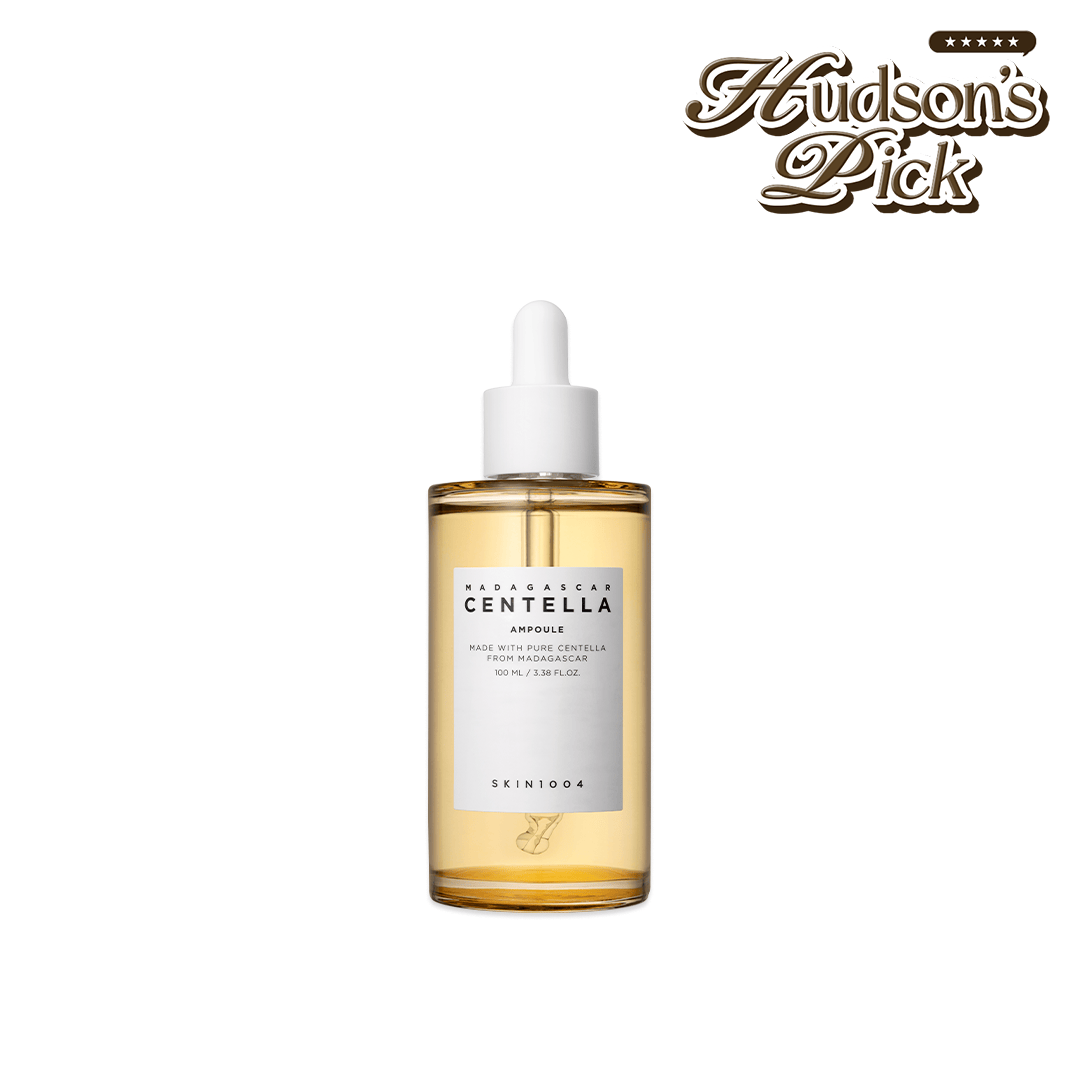
SKIN1004 Centella Ampoule is a moisturizing and soothing skincare option based on Centella Asiatica extract. Centella Soothing Cream adds a moisturizing cream step. Choose the products that fit your skin and follow their own directions; more layers are not automatically more comfortable.
At the end of the day, remove sunscreen gently without scrubbing around the eyes. Centella Light Cleansing Oil is designed to remove makeup, sunscreen and excess sebum. Centella Ampoule Foam is a cleanser with a specified pH range of 5.0–6.0 (5.5 ± 0.5). This pH specification is not an eye-safety claim. Keep both cleansers out of the eyes and follow their product directions.
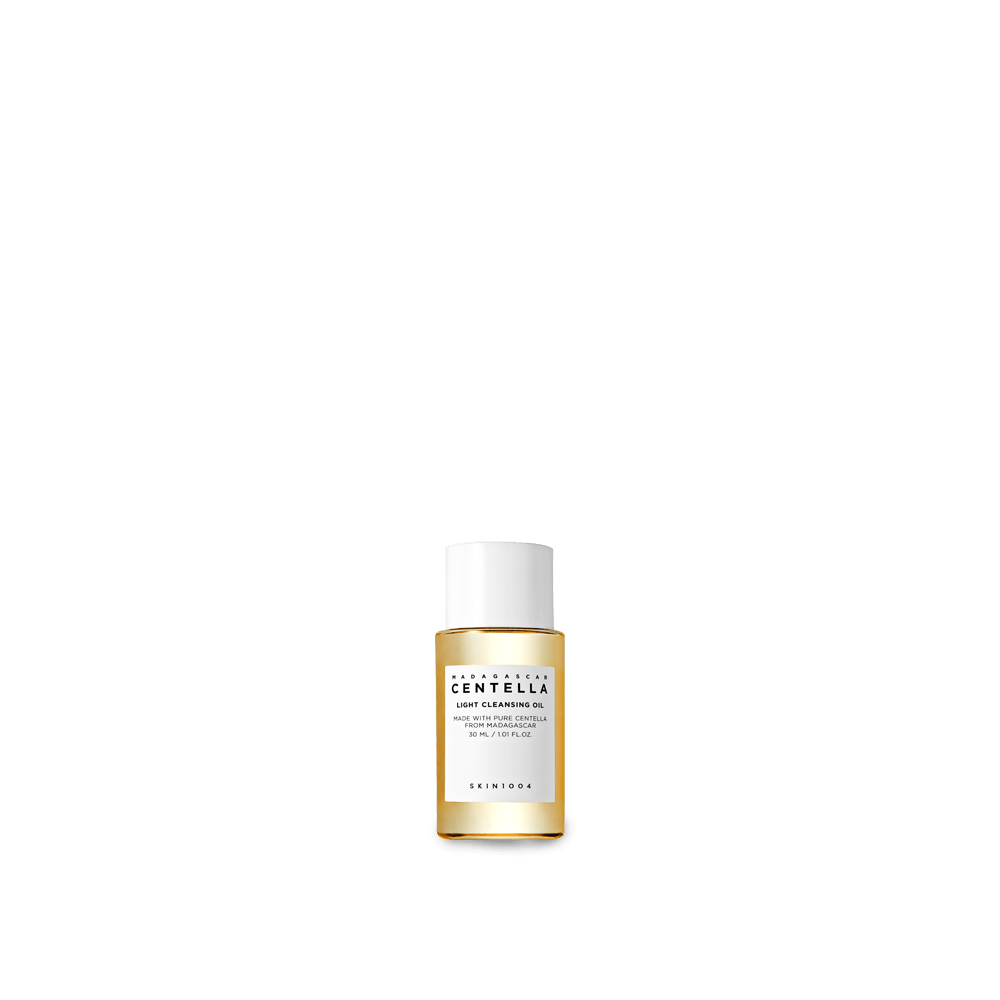
Centella Light Cleansing Oil
5.5 USD
Shop now
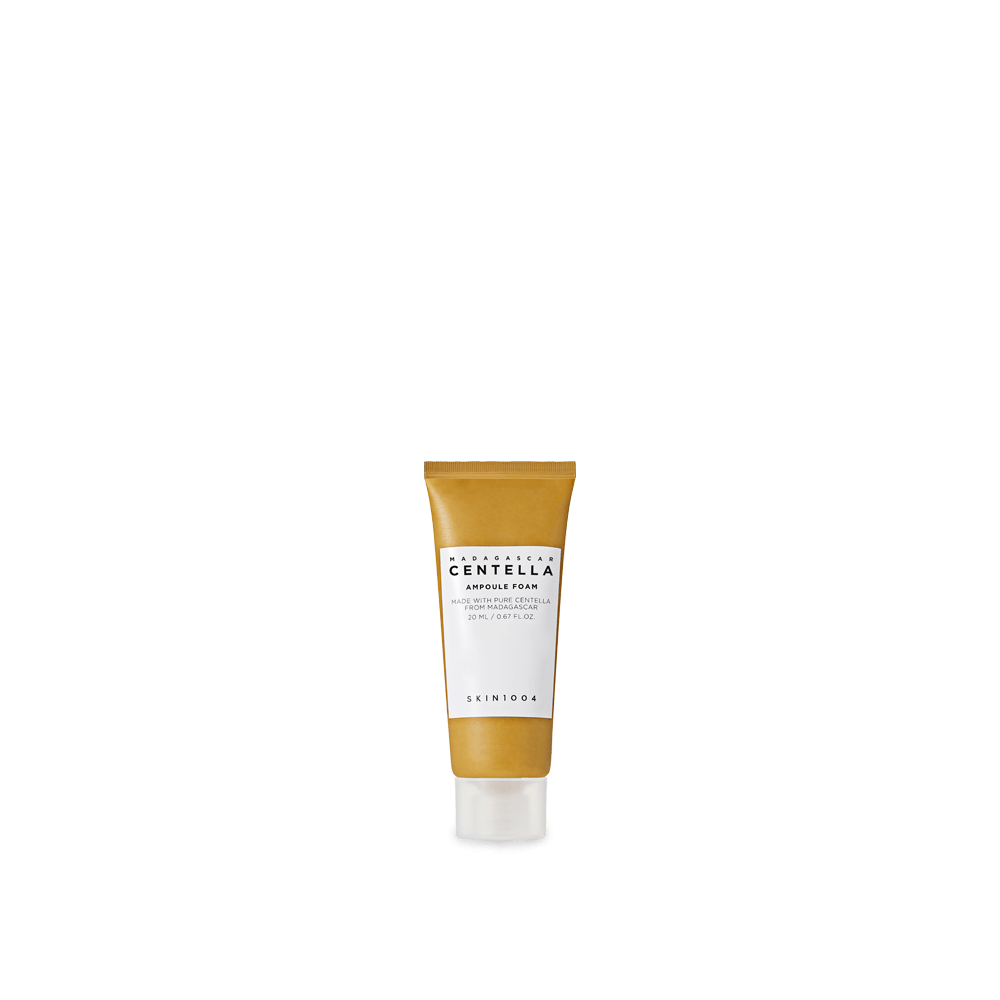
Centella Ampoule Foam
4 USD
Shop now
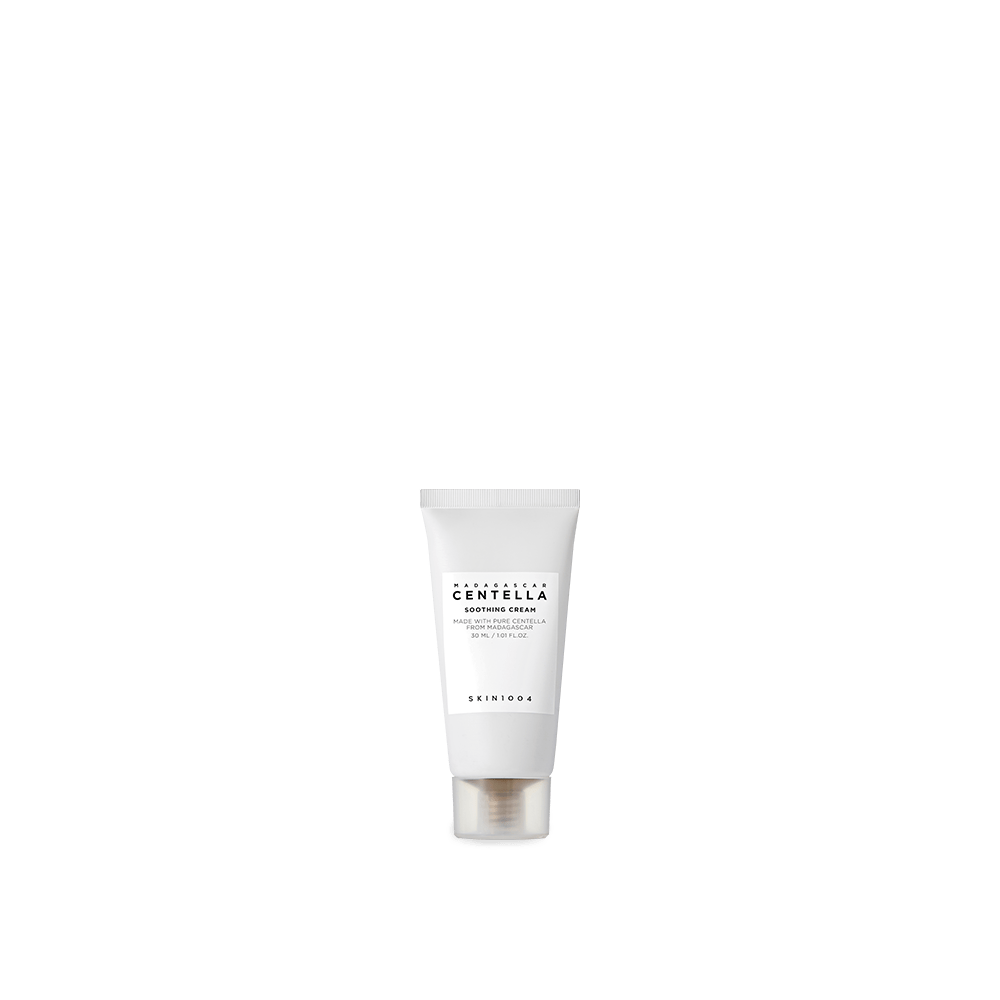
Centella Soothing Cream
7.5 USD
Shop now
Frequently Asked Questions
Does a higher SPF mean more eye stinging?
SPF is a protection measurement, not an eye-comfort score. It does not let you predict your response to a finished formula.
Are mineral sunscreens guaranteed not to sting?
No. Filter type alone does not establish eye tolerance for the complete product or for every person.
Does water resistance mean the product cannot enter my eyes?
No. A water-resistance claim concerns sunscreen protection under specified conditions. It is not an eye-irritation test result.
Does a skin patch test prove that Water-Fit Sun Serum is suitable for sensitive eyes?
No. The test site, population and endpoint must match the claim. A general skin patch test cannot establish sensitive-eye tolerance.
What should I check before choosing a regional version?
Read the exact product name, ingredient list and directions for the market where you are buying it. Do not transfer test results between Water-Fit Sun Serum and Water-Fit Sun Serum UV.
Choose sun protection with clear product directions and evidence that matches the claim. For the skincare steps around it, the Centella collection offers cleansing and moisturizing options without promising that they prevent sunscreen-related eye irritation.