
Best Serums for a Damaged Skin Barrier: How to Choose
A damaged barrier needs three things from a serum: humectants, physiological lipids, and calming actives. We rank the four main serum ingredient classes by the strength of published evidence (lipid complexes, panthenol, Centella triterpenes, humectants alone), explain what TEWL recovery actually looks like week by week, and show where SKIN1004's Centella Ampoule and Soothing Cream fit in a short recovery routine.

Choosing a Serum When Your Barrier Is Damaged
A compromised barrier needs three things from a serum: humectants that hold water in the stratum corneum, physiological lipids that rebuild the mortar between skin cells, and calming actives that lower the reactivity making everything sting. Ranked by the strength of published human evidence, that order is lipid complexes first, then panthenol, then Centella triterpenes, then humectants used on their own. Fragrance, denatured alcohol and strong acids come out of the routine until the tightness and stinging have stopped.
A warm hush settles over Madagascar's highlands at dusk, and the Centella growing there takes its time. Skin recovering from a broken barrier works on the same slow clock. We formulate around that patience, and the honest version of this guide starts with what the research says rather than with a product.
What a Damaged Barrier Actually Is
The outermost layer of skin holds cells in a lipid matrix of ceramides, cholesterol and free fatty acids. When that matrix thins or disorganises, water escapes faster than it should, and irritants that would normally be shut out reach living tissue. Dermatologists measure the leak as transepidermal water loss, or TEWL, and a falling TEWL number is the standard read-out for a barrier that is rebuilding.
The American Academy of Dermatology puts it plainly in its patient guidance: dry skin is damaged skin, and the AAD's first recommendations are behavioural rather than active: fragrance-free products, short warm showers instead of hot ones, patting dry, and moisturizing immediately afterwards.
That matters for serum selection. A serum applied to skin that is still being stripped twice a day by a harsh cleanser is fighting the routine it sits inside.
The Criteria We Rank On
Four criteria decide the order below, applied identically to every ingredient class:
- Human evidence. Randomized or prospective clinical data with instrumental endpoints such as TEWL and corneometry, not in vitro results alone.
- Mechanism relevance. Does the ingredient replace or restore a component of the barrier, or only cover the symptom?
- Tolerance on reactive skin. A barrier in trouble reacts to things it normally accepts.
- Fit in a short routine. Keep your routine simple so you can follow it consistently.
| Ingredient class | Strength of human evidence | What it does | Risk on reactive skin |
|---|---|---|---|
| Ceramide, cholesterol and fatty acid complexes | Strongest | Replaces the missing lipid matrix | Low |
| Panthenol (provitamin B5) | Strong | Raises hydration, lowers TEWL, calms irritation | Very low |
| Centella asiatica triterpenes | Moderate and growing | Supports repair signalling, soothes visible redness | Low |
| Humectants alone (hyaluronic acid, glycerin, betaine) | Moderate for hydration, weak for repair | Draws and holds water | Low, though bare humectants can feel tight in dry air |
Physiological Lipids Come First
The three barrier lipids only work as a set. Research published in the Journal of Investigative Dermatology on optimizing physiological lipid mixtures reported that applying one or two of the three lipids to perturbed skin actually delayed recovery, while an equimolar mixture of ceramides, cholesterol and fatty acid allowed normal repair. Increasing any single component up to three-fold within that complete mixture accelerated recovery further.
Read that as a shopping rule. A product advertising ceramides with no cholesterol or fatty acid alongside them is delivering one third of a system.
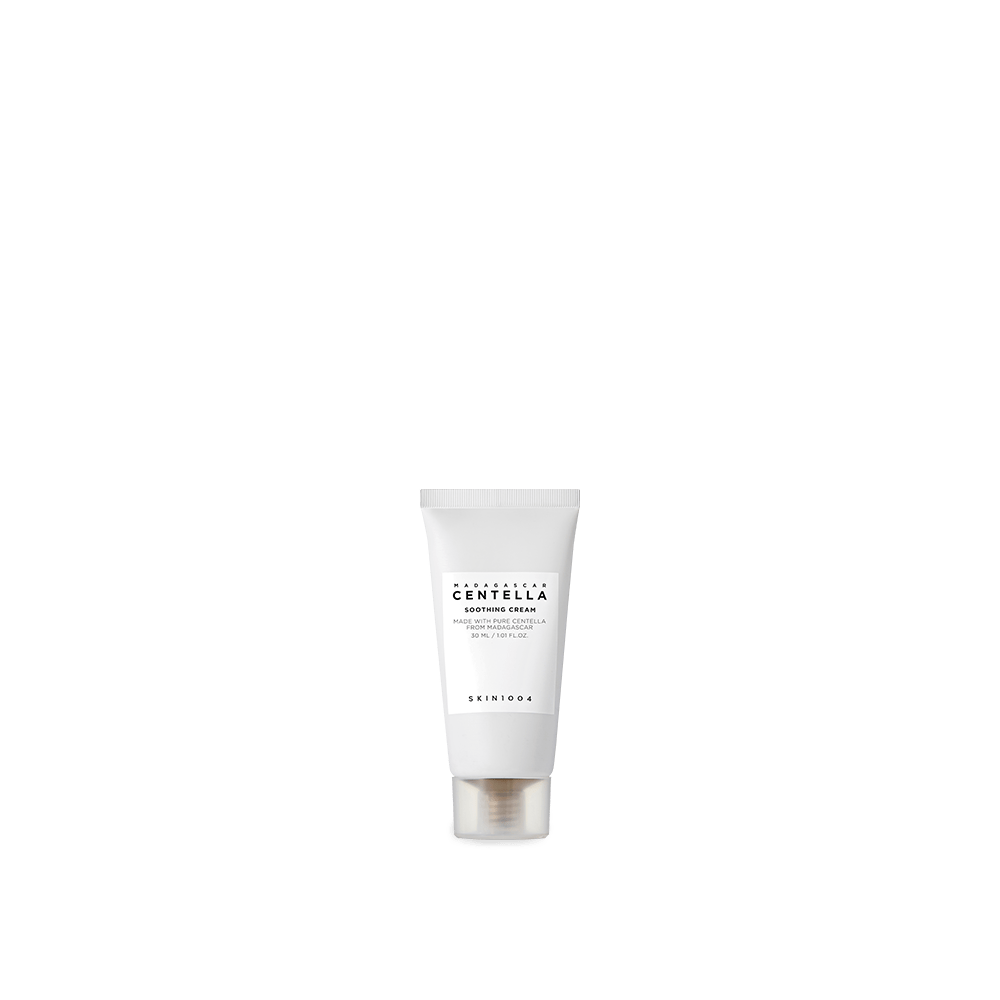
This is also why the lipid layer in a barrier routine is usually a cream rather than a thin serum: lipids need an emulsion to carry them. Our own Centella Soothing Cream is formulated with Centella Asiatica extract, Trehalose, Sodium Hyaluronate, Ceramide NP and Cholesterol, so it supplies two of the three lipid classes in a non-sticky gel texture. We describe it as moisturizing and supportive of the skin's natural barrier, which is the claim the formula earns.
Panthenol, the Quietest Workhorse
Panthenol has an unusually well-documented clinical file for a cosmetic ingredient. A 2017 review in the Journal of Dermatological Treatment summarising seventy years of topical dexpanthenol concluded that it acts as a moisturizer and barrier restorer, prevents irritation, and supports regeneration, with randomized intra-individual studies showing improved stratum corneum hydration and reduced TEWL against control.
The numbers are modest and real. In three randomized studies of dexpanthenol emollients in adults with dry skin, published in Cosmetics in 2021, hydration rose 38.1% to 72.4% from baseline in unchallenged skin and TEWL fell 11% by day 28 against an untreated control area that did not change.
Panthenol also shows up in the post-procedure literature, where barrier damage is deliberate and measurable. In a double-blind randomized controlled study of 60 subjects after dual-wavelength non-ablative fractional laser, a panthenol-enriched mask containing Centella extract and bisabolol produced significantly lower erythema and hyperpigmentation indices than saline dressing at days 3, 7 and 14.
Among our formulas, Centella Cream pairs Panthenol with TECA, the standardised Centella fraction of madecassoside, asiaticoside, madecassic acid and asiatic acid. It is the step we reach for when skin is both dry and visibly flushed.
Where Centella Fits
Centella is the reason this brand exists, so we hold it to a stricter standard than a marketing page would.
A 2025 review in Pharmacia covering evidence from 2016 to May 2025 describes the principal triterpenoids asiaticoside and madecassoside acting through TGF-beta/Smad-driven matrix synthesis and attenuation of NF-kB and JAK/STAT3 inflammatory signalling, with early human data showing improvements in hydration, TEWL and elasticity. The review is candid that clinical studies remain fewer in number than preclinical ones.
The most directly relevant human data comes from combination formulas. A 2025 prospective observational study in the Journal of Cosmetic Dermatology tested a cream containing Centella asiatica leaf extract, Ceramide NP and panthenol in subjects with sensitive skin and reported strengthened barrier function alongside reduced dryness, reduced sensitivity and faster relief of facial redness. Centella performs best in company.
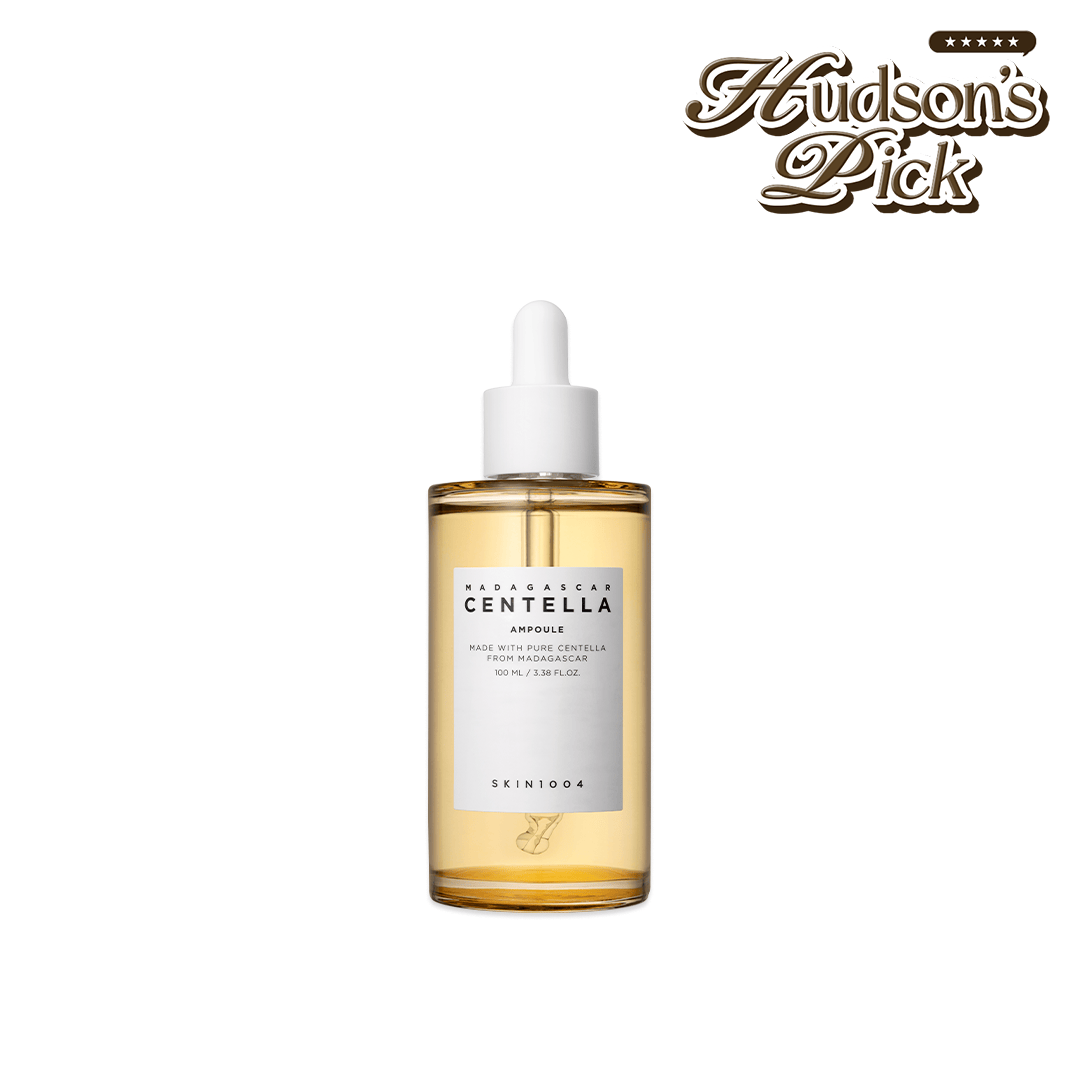
Our Centella Ampoule is the serum step in that logic: a single-focus formula built on high quality Madagascan Centella Asiatica extract, positioned to help soothe visible redness and comfort sensitive-looking skin. It suits dry and delicate skin, and it layers under a lipid cream without pilling.
Humectants Without Lipids Are Half a Routine
Hyaluronic acid serums are a common first purchase for a damaged barrier, and often a disappointing one. A humectant pulls water into the stratum corneum. With the lipid matrix still leaky, that water leaves again, and in low humidity the skin can feel tighter an hour later than before application.
Humectants belong in a barrier routine. They belong under something that seals.
If your skin is oily at the surface and tight underneath, our guide to why your face is oily by noon but still tight works through that pattern in detail, and if breakouts complicate the picture, see barrier serums for acne-prone skin.
What Comes Out of the Routine
Subtraction usually does more in week one than any serum does.
- Fragrance, including essential oils. The AAD specifically warns that products labelled "unscented" may still contain chemicals that neutralize or hide odors and can irritate dry, sensitive skin.
- Denatured alcohol high in the ingredient list.
- Physical scrubs and stiff cleansing brushes.
- Acids and retinoids, paused until stinging on application has stopped for several consecutive days.
- Hot water. Warm, brief, and pat dry.
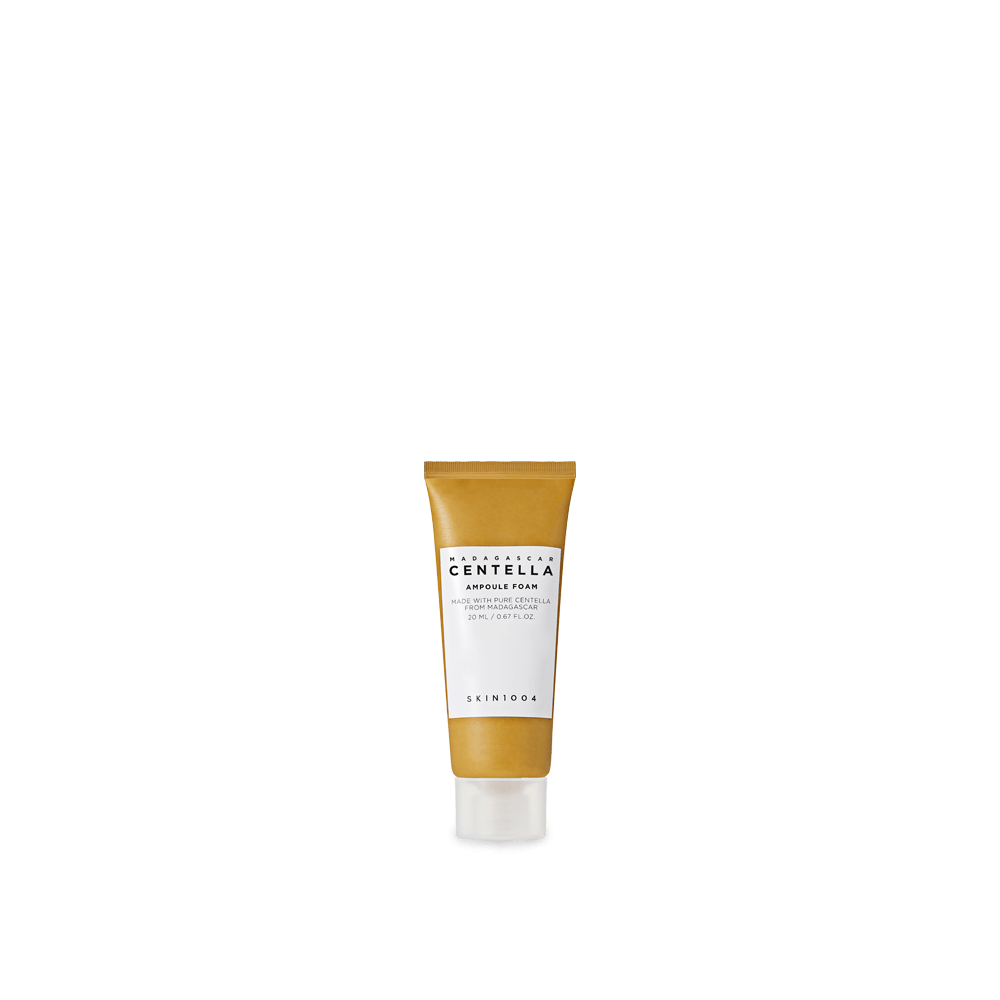
Cleanser choice carries more weight than most serum decisions. A cleanser near skin's own acidity leaves less disruption behind: our Centella Ampoule Foam has a specified pH of 5.5 ± 0.5 (a range of 5.0–6.0) and is formulated with coconut-derived surfactants, and Centella Light Cleansing Oil uses Centella with six plant-derived oils to dissolve sunscreen and makeup without a second harsh wash.
A Four-Step Recovery Routine
Evening, roughly two minutes:
- Cleanse once, gently. Oil cleanser if you wore sunscreen or makeup, then the foam cleanser (pH 5.5 ± 0.5). On a bare-skin day, foam alone.
- Hydrate on damp skin. Apply Centella Ampoule while the face is still slightly wet.
- Seal with lipids. Centella Soothing Cream with Ceramide NP and Cholesterol, or Centella Cream with Panthenol and TECA when redness is the louder complaint.
- Leave it alone. No acids, no retinoid, no actives stacking on top.
Morning is the same minus the oil cleanse, finishing with sunscreen.
Centella Ampoule
19.8 USD
Shop now
Centella Soothing Cream
7.5 USD
Shop now
Centella Ampoule Foam
4 USD
Shop now
How Long Recovery Takes
Comfort returns before the barrier does. In the dexpanthenol emollient studies, hydration improved within an hour of a single application while the significant TEWL improvement was recorded at day 28. Post-procedure work on panthenol with Centella tracked erythema improvements across days 3 to 14.
A reasonable expectation: stinging and tightness ease inside the first one to two weeks, and the reactivity that made everything sting settles over roughly four weeks of consistent, simplified care. Skin that is still weeping, cracking, or visibly inflamed after that is a dermatology appointment rather than a shopping problem.
FAQ
Can a serum alone repair a damaged barrier?
Rarely. The lipid research in the Journal of Investigative Dermatology found that partial lipid mixtures delayed recovery while complete ones restored it, which argues for a serum plus a lipid-containing cream rather than either on its own. The serum handles hydration and soothing; the cream supplies the lipids.
Should I use niacinamide while my barrier is compromised?
Many people tolerate it, and some do not while skin is reactive. If a product stings on application, park it and reintroduce it after two consecutive stinging-free weeks. The same patch-and-wait logic applies to any active during recovery.
Is a thicker cream always better than a serum?
Occlusion slows water loss, and the AAD advises choosing an ointment or cream over a lotion for very dry skin because they add more moisture. Texture alone does not tell you whether the lipids that rebuild the matrix are present, so read the ingredient list for ceramides, cholesterol and fatty acids rather than judging by thickness.
Does eczema-prone facial skin need a different approach?
The cleansing and moisturizing principles overlap heavily, but eczema is a medical diagnosis with prescription options behind it. Use gentle fragrance-free care as the base layer and ask a board-certified dermatologist about treatment for flares rather than managing them with cosmetics alone.
How do I know the barrier is actually improving rather than just feeling better?
Track three things weekly: whether products sting on contact, whether skin feels tight fifteen minutes after cleansing, and whether flaking returns by evening. All three trending down over a month is a better signal than any single good day.
Ready to simplify? Start with Centella Ampoule as the serum step, or read through the full Centella collection to build the two-step version of this routine.