
Azelaic Acid for Rosacea: Serum Strength vs Prescription
The best azelaic acid serum for rosacea is the one whose strength matches the evidence you need. Azelaic acid 15% gel or foam, sold by prescription, is the form the FDA approved for the bumps of mild to moderate rosacea, while cosmetic serums at lower strengths or built on the derivative potassium azeloyl diglycinate rest on much smaller studies. Before buying, check the percentage, the exact ingredient name, what trial stands behind it, and whether your skin can tolerate the first weeks of stinging.
Evening light softens a flushed face, but a label has to be read in plain daylight. We make Centella skincare at SKIN1004, and this guide ranks no azelaic acid product. Our role is the calm routine around whichever azelaic acid you and your dermatologist choose, and our earlier ranked picks for azelaic acid serums and rosacea covers individual products.
Three strengths, three levels of evidence
"Azelaic acid" on a bottle can describe very different products. The table sorts them by what regulators and researchers have actually tested.
| Form | Where you get it | What it is approved or tested for | Strength of evidence |
|---|---|---|---|
| Azelaic acid 15% gel or foam (Finacea and generics) | Prescription | FDA-approved for inflammatory papules and pustules of mild to moderate rosacea (FDA label) | Vehicle-controlled and active-controlled trials |
| Azelaic acid 20% cream (Azelex) | Prescription | Approved for mild to moderate acne (GoodRx) | Approved for acne; not labeled for rosacea |
| Azelaic acid serums and creams around 10% | Over the counter (GoodRx) | Cosmetic use | Depends on the brand; ask for product-specific data |
| Potassium azeloyl diglycinate (PAD) | Cosmetic | Tested at 5% alongside 1% hydroxypropyl chitosan in small rosacea studies (Journal of Cosmetic Dermatology) | Pilot and open-label studies |
A lower percentage means the prescription trial results do not transfer automatically. A 10% serum contains the same molecule, but the rosacea approval and trials above were for 15% formulas.
What the 15% prescription data shows
According to the FDA-approved Finacea label, the 15% gel is indicated for the inflammatory papules and pustules of mild to moderate rosacea. The same label notes that some redness improved in patients who also had bumps, but efficacy for redness in the absence of papules and pustules has not been evaluated. It also advises reassessment if there is no improvement after 12 weeks (FDA label).
That distinction matters if your main concern is background redness or flushing without bumps. The strongest azelaic acid evidence was built around bumps and pustules, so it says less about redness on its own.
In a 15-week, double-blind trial summarized by James Q. Del Rosso, DO, in the Journal of the American Academy of Dermatology (2004), azelaic acid 15% gel (124 patients) was compared with metronidazole 0.75% gel (127 patients) in papulopustular rosacea. Azelaic acid showed statistically greater reductions in lesion counts and redness. It was also more likely to sting, with the stinging most often described as transient and without interrupting therapy.
Cosmetic strengths and the PAD derivative
Potassium azeloyl diglycinate is an azelaic acid derivative used in cosmetic formulas, including the creams tested below. Its rosacea research is thin and specific.
- Berardesca and colleagues (2012): a randomized, double-blind, placebo-controlled pilot study enrolled 42 patients with stage I and II rosacea, 28 on a cream with 5% PAD and 1% hydroxypropyl chitosan and 14 on its moisturizing base. They applied it twice daily for 4 weeks, and redness and hydration were measured with Mexameter and Corneometer devices (Journal of Cosmetic Dermatology). Authors included staff from the ingredient supplier and the product maker, so read it as industry-linked evidence.
- Veraldi and colleagues (2015): a sponsor-free, open study treated 37 adults who had redness-dominant rosacea with stinging and burning, all previously treated with azelaic acid or metronidazole. After 12 weeks of twice-daily use, the 30 evaluable patients' mean stinging and burning score fell from 2.2 to 1.2 on a 0-3 scale (Journal of Dermatological Treatment). There was no control group.
Both studies tested one specific combination. A serum that lists PAD at an unstated level, without the chitosan partner, does not inherit those results.
Four checks before you choose
- Name and percentage. "Azelaic acid 10%" and "potassium azeloyl diglycinate" are different ingredients. If no percentage is printed, you cannot compare the product with any study above.
- Your main symptom. Bumps and pustules match the 15% prescription evidence. Redness or flushing alone sits outside the approved indication, which is a conversation for a dermatologist.
- The rest of the formula. In a National Rosacea Society survey of 1,066 patients, 41% said certain skin care products aggravated their rosacea and 27% said the same of cosmetics. Fragrance or extra acids in an azelaic acid serum add variables you may not need.
- A patch test. The American Academy of Dermatology suggests applying a new product to a quarter-sized patch on the inside of the arm daily for 7-10 days before using it on the face.
Is the stinging normal?
Some is expected at prescription strength. The current prescribing information, reproduced by Drugs.com, lists burning, stinging or tingling in 29% of users, itching in 11%, scaling or dryness in 8%, and redness or irritation in 4%. The DailyMed label says irritation usually appears in the first few weeks, and that use should stop and a physician be consulted if it is excessive or persists.
The label also advises keeping the product away from the eyes and mucous membranes. People with darker complexions are advised to watch for early signs of lightened skin, since isolated cases of hypopigmentation have been reported (Drugs.com).
THE ROUTINE AROUND IT
The AAD's order is simple: apply your rosacea medication first, then a rosacea-friendly moisturizer, and moisturize whether rosacea leaves your skin dry or oily. It also recommends waiting for washed skin to dry, since moisturizer on dry skin is less likely to burn or sting. In one small study the AAD describes, patients using metronidazole gel who added a gentle moisturizer to one side of the face had less dryness, peeling and roughness on that side after 15 days (AAD).
This is where our Centella line fits. These are cosmetics, and we have not tested them as rosacea treatments, so they sit beside your azelaic acid rather than replacing it. Patch test them the same way.
- Centella Ampoule: formulated with Madagascan Centella Asiatica extract to help soothe the look of redness and comfort sensitive-looking skin. #Soothing #Hydrating. It contains no sodium hyaluronate.
- Centella Soothing Cream: a non-sticky soothing gel with Centella, Trehalose and Ceramide NP that moisturizes and helps support the skin's natural barrier. #BarrierSupport #NonSticky. A non-sticky option for the moisturizer step after azelaic acid.
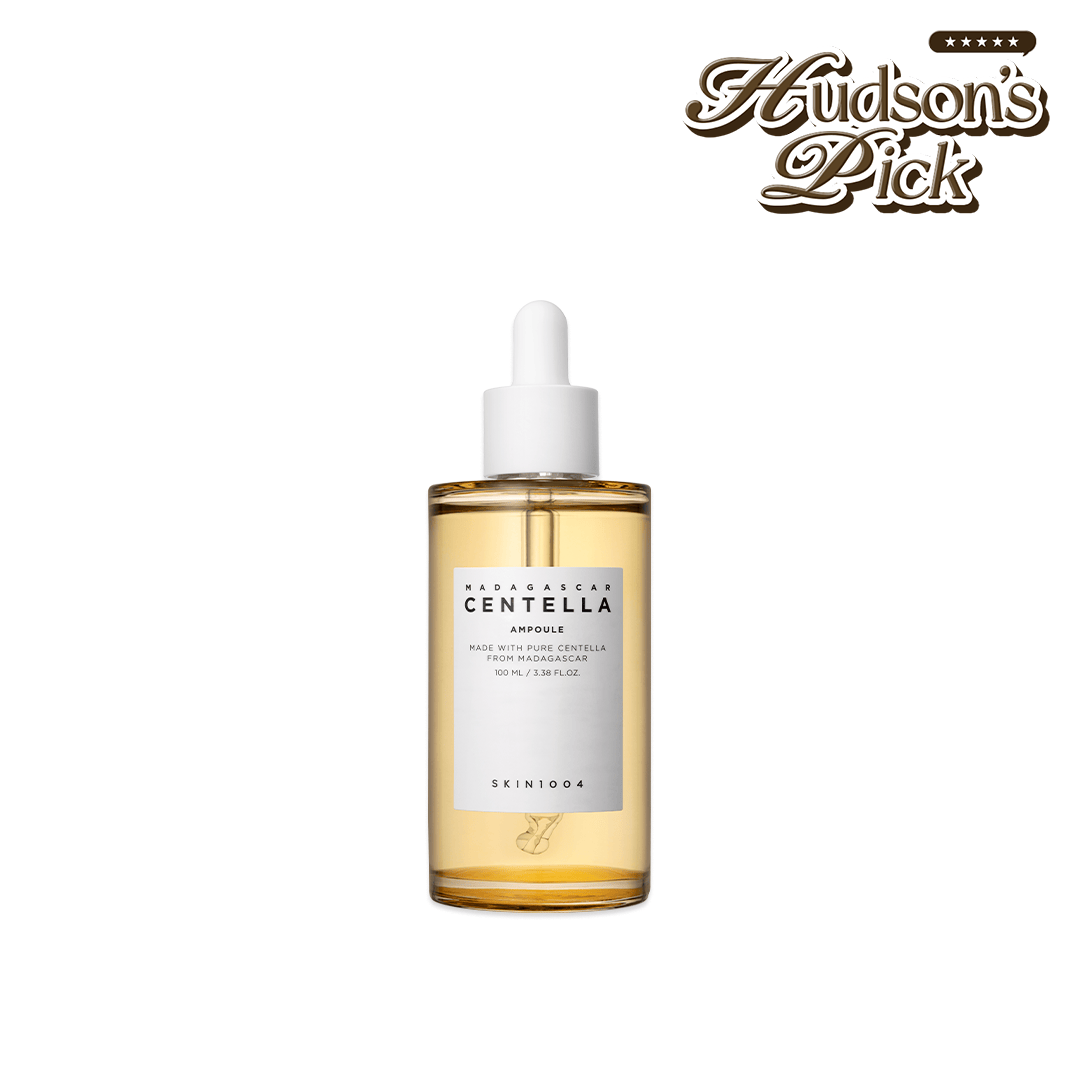
Centella Ampoule
19.8 USD
Shop now
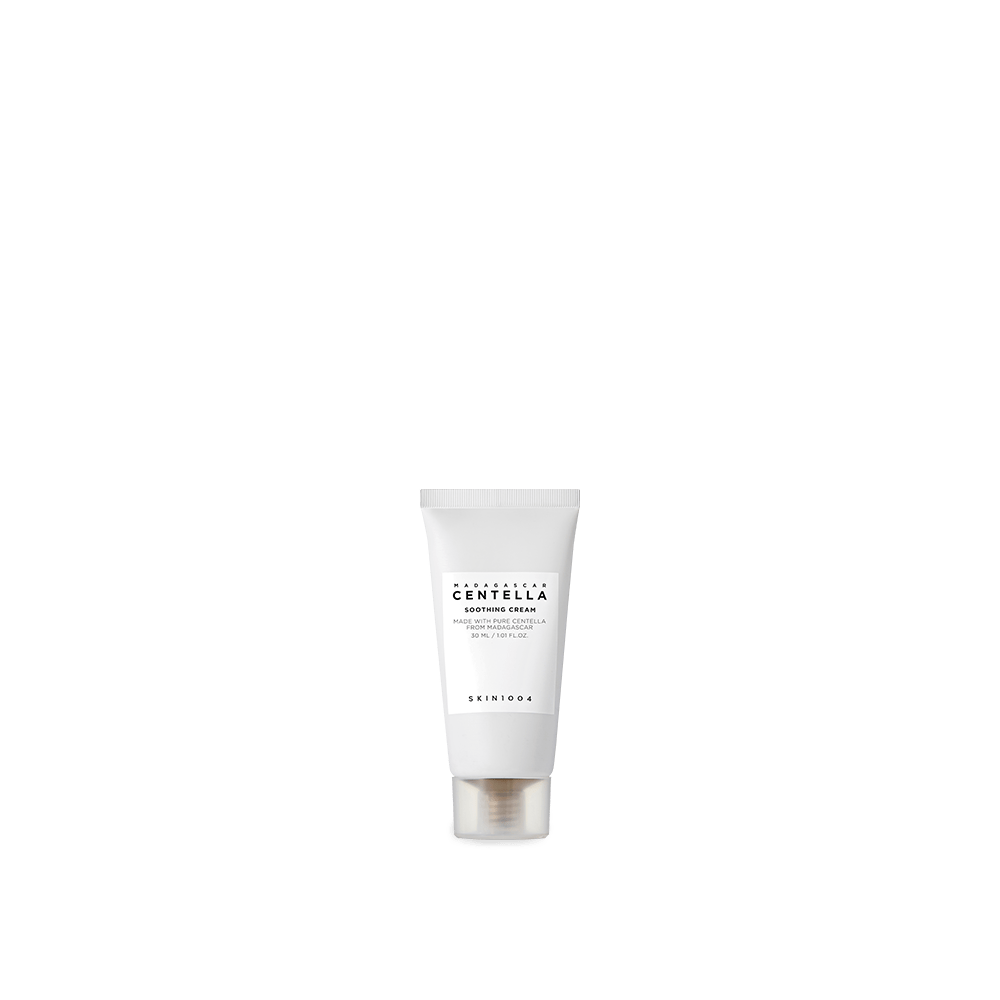
Centella Soothing Cream
7.5 USD
Shop now
If irritation is your main hurdle, our guides to azelaic acid for sensitive skin and serums for a damaged skin barrier go deeper.
FAQ
Is every red face rosacea?
No. The American Academy of Dermatology notes that other skin conditions cause similar facial reddening and recommends a board-certified dermatologist to confirm the diagnosis and choose treatment.
Do I need sunscreen while using azelaic acid?
Sun protection is part of rosacea care regardless of which serum you use. The AAD says the sun can worsen rosacea at any time of year and advises protecting skin year-round.
Can I wear makeup over it?
Yes, with care. The AAD says dermatologists often recommend water-based or powder makeup, and a green-tinted concealer can camouflage redness.
Do food and drinks matter during treatment?
The Finacea label on DailyMed advises avoiding foods and drinks that can provoke flushing, including spicy food, alcohol and hot drinks such as coffee and tea.
When your azelaic acid step is settled, pause and let the rest of the routine stay quiet. Discover the Centella Ampoule as a calm, soothing layer beside it.