
Best Azelaic Acid Serum for Rosacea: Ranked Picks
For the bumps and pustules of rosacea, the best-supported azelaic acid is the prescription 15% gel or foam, which outranks every cosmetic serum on evidence. Among over-the-counter 10% serums, we rank six options on four stated criteria: concentration and evidence tier, independent irritation testing, whether extra exfoliating acids are stacked into the formula, and how well the product sits inside a barrier-first routine. We make one of the six, and we have placed it where those criteria put it rather than at the top.
A warm sunset settles over the plains of Madagascar, and skin that runs hot and red all day asks for the same thing that landscape offers: quiet. That is the register we write in at SKIN1004, and it is also the honest starting point for this guide. Rosacea is a medical diagnosis, our azelaic ampoule is a cosmetic product, and a guide that blurs those two is worth less to you than one that keeps them apart.
What Azelaic Acid Does for Rosacea Skin
Azelaic acid is one of the few actives with a genuine evidence base behind it for inflammatory rosacea. A systematic review of randomized controlled trials summarised by NCBI's DARE database concluded that 20% cream and 15% gel formulations were effective in papulopustular rosacea, particularly for reductions in inflammatory lesion count and erythema severity, and were as effective as topical metronidazole.
The strongest recent comparison comes from a network meta-analysis of 19 randomized controlled trials covering 8,208 participants. Esraa A. Shaheen and colleagues, publishing in JAAD International (2024), found that azelaic acid 20% produced the highest effect size for improvement in investigator global assessment score (OR 8.54, 95% CI 2.48-29.45) and the highest P-score of 0.97, while azelaic acid 15%, metronidazole 0.75% and ivermectin 1% delivered comparable effect sizes. The same analysis reported a statistically significant odds ratio of 1.95 for adverse events with azelaic acid 15%, so tolerance is a real trade-off rather than a footnote.
King and colleagues, in a 2023 systematic review in the Journal of Cosmetic Dermatology, note that azelaic acid is widely licensed and recommended globally for rosacea and acne vulgaris. That licensing sits at prescription strength. Cosmetic serums occupy a different shelf: RedBox Rx describes non-prescription formulas as containing roughly 10-12% azelaic acid, with prescription strengths running 15% to 20%, and notes that most people see visible improvement only after 12 to 24 weeks of consistent use.
Read that timeline twice before you buy anything. Three weeks of an azelaic serum tells you almost nothing except whether your skin tolerates it.
How We Ranked These Serums
Four criteria, applied in this order:
- Concentration and evidence tier. Prescription strengths carry the trial data. A 10% cosmetic serum is a supportive step, not a substitute for a treatment your clinician would prescribe.
- Independent irritation reports. Rosacea-prone skin has a narrow tolerance window, so third-party texture and stinging testing counts more than marketing copy.
- Added exfoliating acids. Stacking a second acid into an azelaic formula raises the irritation risk for skin that flushes easily.
- Fit inside a barrier-first routine. A serum that forces you to rebuild your whole routine around it is harder to keep using for six months.
Where a product has no independent testing we can cite, we say so instead of filling the gap with our own adjectives.
The Ranked Picks
| # | Product | Azelaic acid | Notable trade-off |
|---|---|---|---|
| 1 | Prescription azelaic acid gel or foam | 15% | Requires a clinician; higher reported adverse-event rate |
| 2 | Naturium Azelaic Topical Acid 10% | 10% | Cosmetic strength only |
| 3 | SKIN1004 Azelaic Acid 10 Ampoule | 10% | No independent tolerability testing we can cite |
| 4 | Anua Azelaic Acid 10 Hyaluron Redness Soothing Serum | 10% | Longer ingredient list, includes BHA |
| 5 | The Ordinary Azelaic Acid Suspension 10% | 10% | Silicone suspension reported as drying and stinging |
| 6 | Paula's Choice 10% Azelaic Acid Booster | 10% | Adds 0.5% salicylic acid |
1. Prescription azelaic acid 15% gel or foam
The National Rosacea Society lists azelaic acid as a topical medication for the inflammatory papules and pustules of mild to moderate rosacea, available by prescription in 15% foam and gel preparations. If you have persistent bumps, pustules or burning, this is the first conversation to have, and no serum on this page replaces it.
2. Naturium Azelaic Topical Acid 10%
In Chemist Confessions' hands-on comparison of four 10% azelaic acid formulas, the Naturium product had a light texture with minimal initial stinging. For skin that has already failed one azelaic acid on texture alone, that is the most useful data point available at cosmetic strength.
3. SKIN1004 Azelaic Acid 10 Ampoule
Ours. Our Azelaic Acid 10 Ampoule sits at the same 10% cosmetic tier as everything below it, and we have no independently published irritation testing to point you to, which is why it sits third rather than first. What we can offer is the routine around it. Every supporting step we sell for redness-prone skin is built on Madagascar Centella Asiatica, so the cleanser, the ampoule and the cream you layer with the acid are all pulling in the same direction.
If you are still deciding whether the active suits you at all, our explainer on whether azelaic acid serum helps rosacea covers the mechanism in more detail.
4. Anua Azelaic Acid 10 Hyaluron Redness Soothing Serum
Anua states on its own guide page that the serum contains 10% azelaic acid at USD 24, positioning it as an entry-level option. The formula is longer and includes BHA alongside hyaluronic acid and niacinamide, which suits some redness-prone users and crowds others.
5. The Ordinary Azelaic Acid Suspension 10%
The classic silicone suspension, and the cheapest route into the ingredient. Chemist Confessions found it drying over time and the most stinging of the four formulas they tested, with a grainy finish that does not layer easily. For flush-prone skin, those are the exact failure modes that end a routine after two weeks.
6. Paula's Choice 10% Azelaic Acid Booster
The brand's own product page lists 0.5% salicylic acid alongside the 10% azelaic acid, plus licorice root extract. Against criterion three that is a deduction for rosacea-prone skin, and Chemist Confessions found the lotion texture heavy with a residue finish. It remains a reasonable pick when acne is the dominant concern and redness is secondary.
Building the Routine Around the Serum
The active does the visible work. The three steps around it decide whether you can keep using the active.
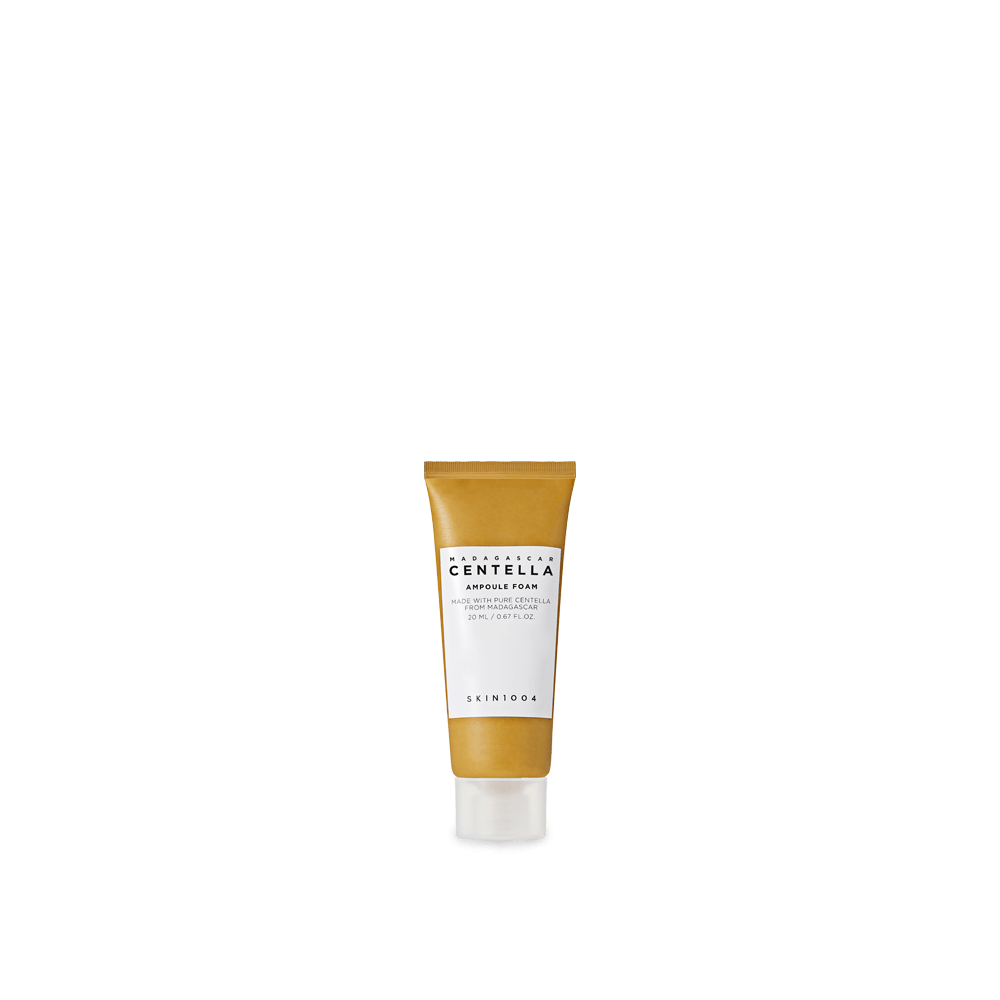
Cleanse with something that does not strip. Our Centella Ampoule Foam is pH-balanced at pH 5 with coconut-derived surfactants and citric acid, formulated to cleanse without leaving skin feeling tight, and it lists at 4 USD. Apply the azelaic serum to clean, dry skin.
On the nights you skip the acid, or on the mornings after a reactive day, Centella Ampoule is the calmer step: an all-rounder ampoule formulated to help soothe visible redness and comfort sensitive-looking skin, using Madagascan Centella Asiatica extract, at 17.6 USD.
Seal with a moisturizer that brings lipids to the surface. Centella Soothing Cream is a non-sticky gel with Centella, Trehalose and Ceramide NP that moisturizes and helps support the skin's natural barrier, at 7.5 USD, which matters because ceramide-containing moisturizers are a standard recommendation in rosacea skincare guidance for reducing dryness and reactivity.
Centella Ampoule Foam
4 USD
Shop now
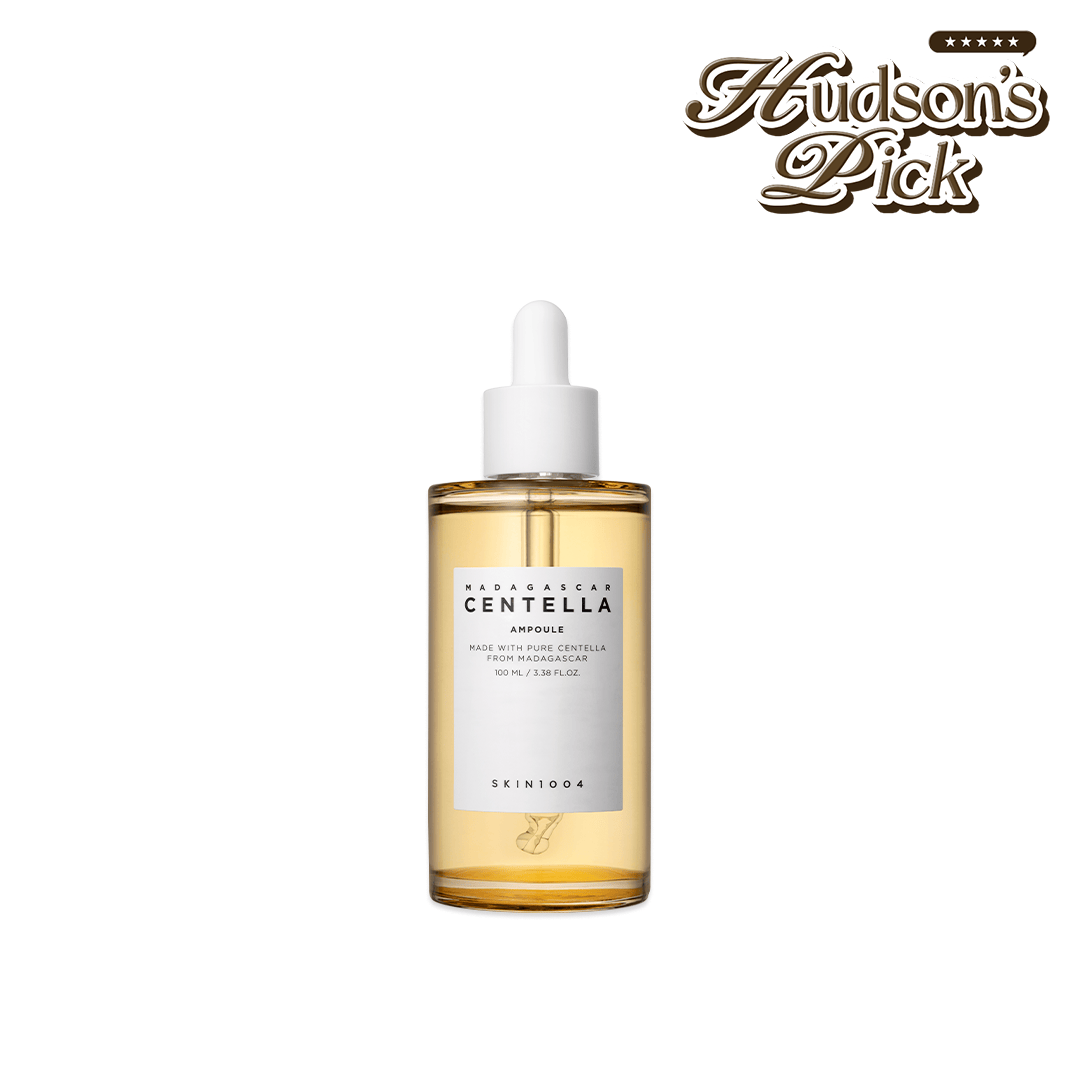
Centella Ampoule
19.8 USD
Shop now
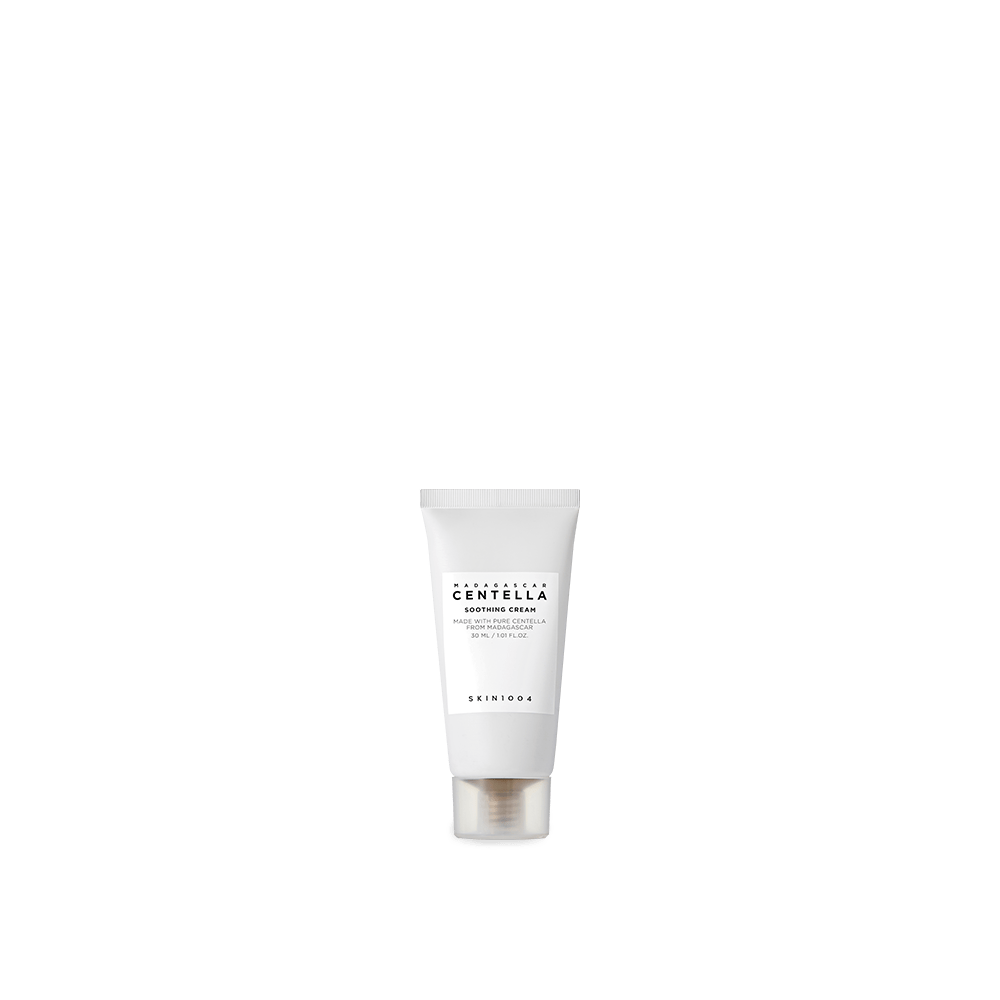
Centella Soothing Cream
7.5 USD
Shop now
Two rules make the difference over a season. Introduce the acid on two or three nights a week and build from there. Change one product at a time, so that when something goes wrong you know what caused it.
When a Serum Is the Wrong Tool
Stop and book a clinician if the skin burns, swells, feels hot, or develops persistent pustules. Cosmetic azelaic acid at 10% was never studied for that presentation, and the trial data behind the ingredient comes from the 15% and 20% formulations a prescriber controls.
Visible broken capillaries are a separate problem. The randomized-trial review on azelaic acid in papulopustular rosacea measured inflammatory lesion count and erythema severity, and those are the outcomes you can reasonably expect a topical to move. Telangiectasia is an in-office conversation.
And if your skin is currently reacting to everything, the first move is fewer products rather than a stronger one. Our guide to choosing azelaic acid for sensitive skin walks through that sequencing.
FAQ
How long should I give an azelaic acid serum before deciding it works?
RedBox Rx puts visible improvement at 12 to 24 weeks of consistent use for azelaic acid generally. Judge tolerance in the first two weeks and judge results at three months.
Can I use a cosmetic azelaic serum alongside a prescription rosacea topical?
That is a question for the prescriber who wrote the prescription. Layering a second acid onto a treated area changes both tolerance and absorption, and the sequencing depends on which topical you were given.
Does azelaic acid make skin more sun-sensitive?
Azelaic acid is not classed as a photosensitising agent in the way AHAs are, but rosacea itself is aggravated by sun exposure, so daily broad-spectrum protection stays part of the routine regardless of which serum you choose.
Is 20% better than 15% if I can get either?
On the JAAD International network meta-analysis, azelaic acid 20% ranked highest for IGA improvement, with 15% comparable to metronidazole 0.75% and ivermectin 1%. The same analysis flagged a significant adverse-event odds ratio for the 15% formulation, so strength and tolerance both belong in the decision, and a prescriber weighs them against your presentation.
Ready to build the calm routine around whichever serum you choose? Start with the Centella collection.