
What Serum Helps Cheeks That Dry Out in Cold Weather?

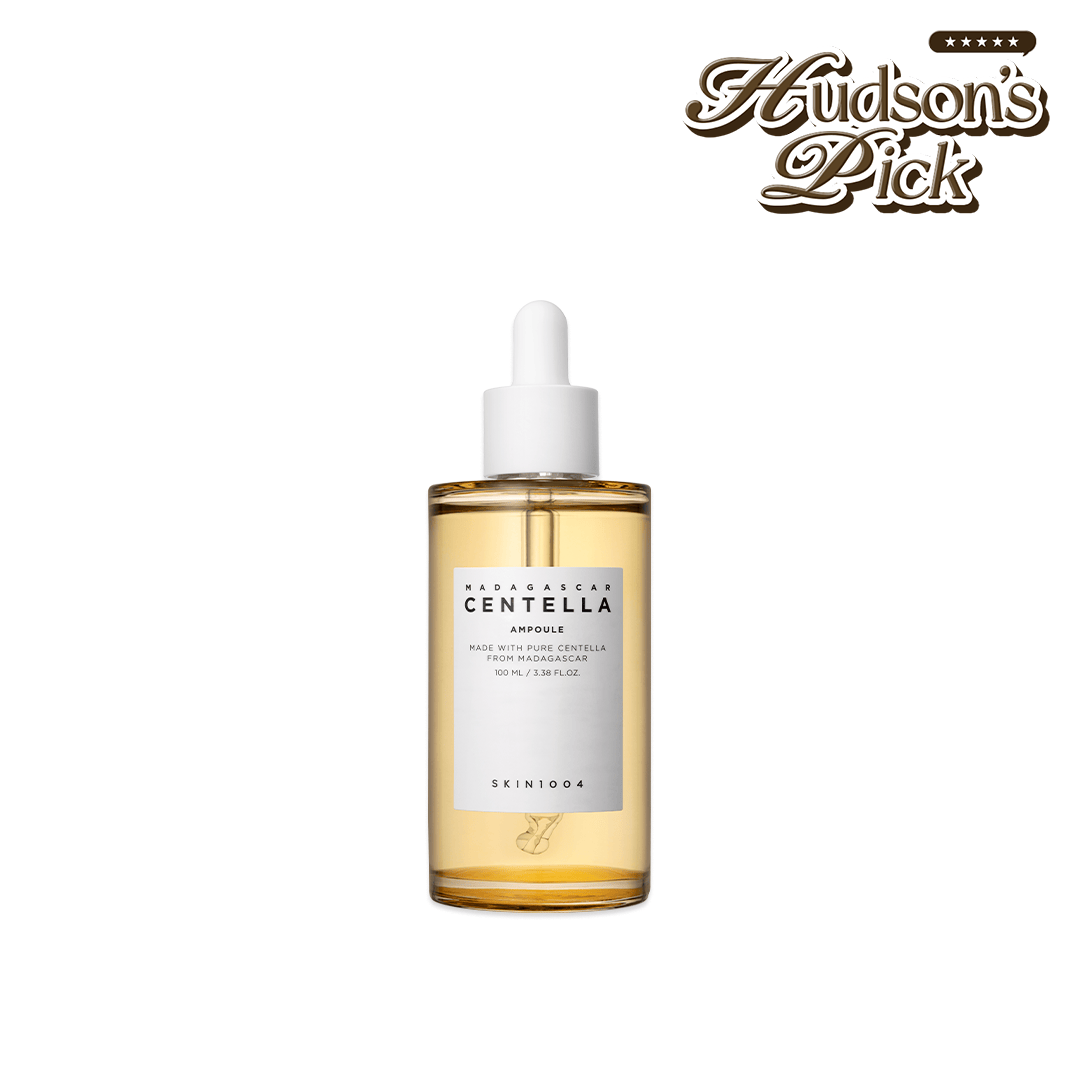
When the air turns cold and dry, the serum worth adding is a light soothing one applied to damp skin and sealed with a lipid-containing cream, because a humectant serum left unsealed can give water back to dry air. Useful things to look for are a calming active such as Centella asiatica or panthenol, a skin-friendly pH, a fragrance-free formula, and a texture thin enough to layer without pilling. Our Centella Ampoule covers that first soothing step, while the sealing work belongs to a cream carrying ceramide, cholesterol or TECA.
At SKIN1004 we hear the same message every autumn: the routine did not change, but the cheeks did. That pattern has a physical explanation, and once you understand it the fix is usually a small structural change rather than a whole new shelf of products.
Why cheeks go first when the temperature drops
Cold air carries less water vapour than warm air, and heated indoor rooms are drier still. Water moves out of skin along that humidity gradient, a process measured as transepidermal water loss. A review of clinical TEWL measurement archived in the US National Library of Medicine's PubMed Central reports that winter is typically associated with higher TEWL values because of low ambient humidity, with the rate driven by the difference between skin humidity and the surrounding air.
Cheeks tend to feel it first. They sit away from the oilier central panel of the face and take the most direct exposure to wind on a walk to the station.
The result is the familiar sequence: tightness within a minute of washing, a rough patch that appears by late afternoon, then makeup catching on the same two spots every morning.
The humectant trap
Most hydrating serums are built around humectants such as glycerin, sodium hyaluronate or betaine. They bind water and hold it in the stratum corneum, which is exactly what tight skin needs.
The catch appears when the air is dry. Reference material on humectants compiled by ScienceDirect Topics notes that under low-humidity conditions humectants such as glycerin can draw moisture from the deeper epidermis and dermis, which contributes to water loss rather than relieving it, and that humectants are therefore more effective when combined with occlusive products.
This is a common reason a hydrating serum seems to stop working in January. The serum is doing its job of attracting water. Nothing above it is holding that water in place.
Five criteria we use when choosing a cold-weather serum
We apply the same checklist to our own formulas and to anything else we would put on dry, wind-exposed cheeks.
| Criterion | What to look for | Why it matters in cold weather |
|---|---|---|
| Soothing active | Centella asiatica extract, panthenol, or both | Cold-stressed cheeks are often reactive as well as dry |
| Layerability | Water-light texture, no heavy film | Thin layers let a cream sit on top without pilling |
| Skin-friendly pH | Mildly acidic to near-neutral | Reduces the chance of extra barrier stress on already tight skin |
| Fragrance-free | No added fragrance | The AAD advises fragrance-free products for dry, sensitive skin |
| A sealing partner | A cream with ceramide, cholesterol or a fatty component | Without it, the humectant layer has nothing holding it down |
Ingredient evidence supports the first criterion at ingredient level rather than at product level. A double-blind trial of 30 Indonesian batik workers with dry skin, indexed on PubMed, compared creams containing Centella asiatica with creams containing ceramide and concluded that both could improve skin barrier hydration. Su and colleagues, writing in the Journal of Cosmetic Dermatology in 2025, followed 88 women with sensitive skin using a cream containing Centella asiatica leaf extract, ceramide NP and panthenol and recorded lower TEWL at Weeks 1 and 2 alongside higher stratum corneum hydration at every time point. That study was single-arm and observational, run on a different company's cream, so read it as support for the ingredient combination and not as proof about any specific bottle.
The broader picture on the plant is summarised in a 2025 review in Pharmacia, which describes the triterpenoid saponins asiaticoside and madecassoside and their aglycones as the principal compounds behind Centella's use in wound repair and barrier support.
Where our Centella Ampoule fits
Centella Ampoule is our soothing first step, formulated with Madagascan Centella asiatica extract as its key ingredient and described for all skin types, particularly dry and delicate skin. Its pH range is 5.5 to 7.5. It has completed a non-comedogenic human application test carried out on 20 participants, applied to the forehead twice daily and evaluated at baseline, 2 weeks and 4 weeks, so it is a reasonable choice for cheeks that go dry and congested at the same time.
Two honest limits belong here.
It contains no sodium hyaluronate, so if you specifically want a hyaluronic acid serum this is not that product. Our lightweight serum guide for dehydrated skin covers that choice in more detail.
It is also a water-light ampoule with no lipid-rich seal. On its own, in a heated office in February, it will behave like any other humectant layer left uncovered.
The layering order that keeps what you applied
The order below is the part that changes results in winter, more than any single bottle.
- Cleanse gently with a low-pH cleanser. Our Centella Ampoule Foam sits at pH 5.5 plus or minus 0.5, so roughly 5.0 to 6.0.
- Pat the face until it is damp rather than dry. The AAD's guidance for dry skin is to blot skin gently and apply moisturizer immediately after washing, while it still holds water.
- Apply the ampoule to damp skin and press it in with your palms.
- Seal within a few minutes. Centella Soothing Cream is formulated with Centella asiatica extract, trehalose, sodium hyaluronate, ceramide NP and cholesterol in a non-sticky gel texture. Centella Cream is a light cream with panthenol and TECA (madecassoside, asiaticoside, madecassic acid, asiatic acid) for skin that wants a richer finish.
- On a day when skin feels reactive, a Centella Quick Calming Pad with Centella and panthenol can replace the toner step in two minutes.
Centella Ampoule
19.8 USD
Shop now
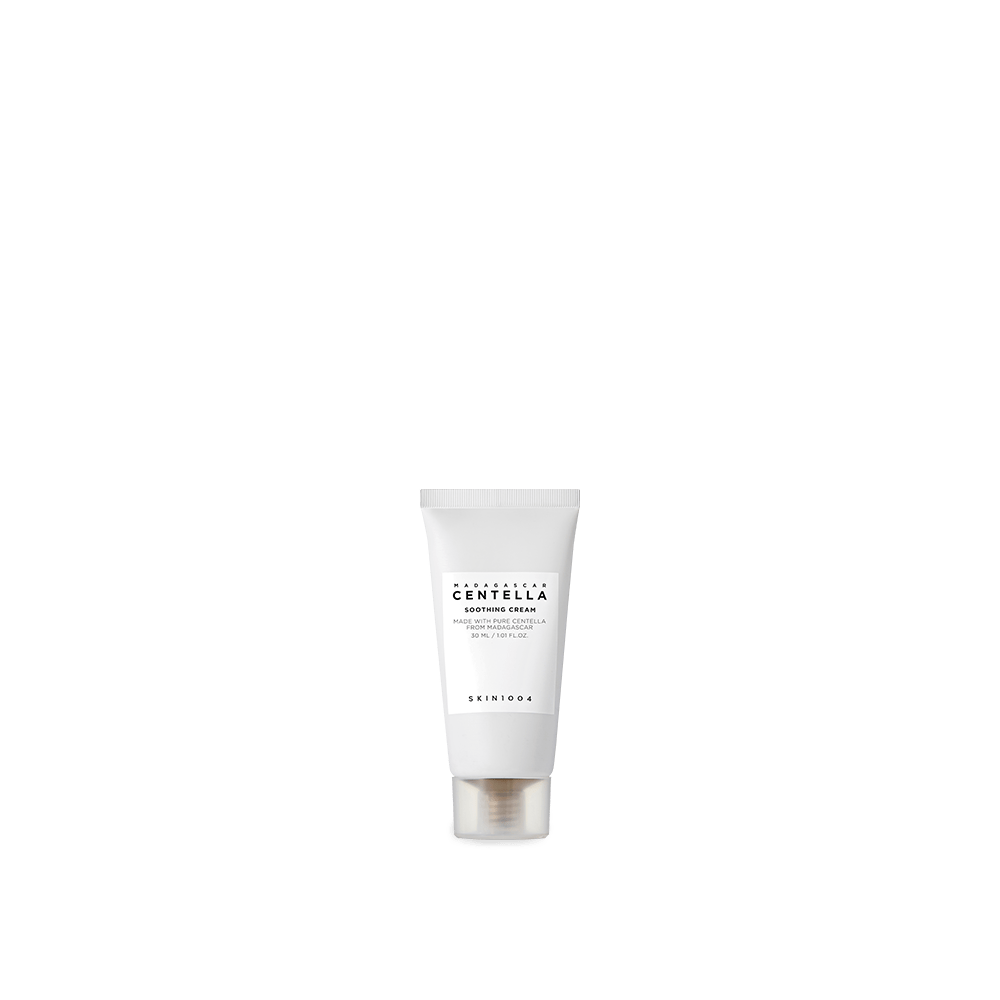
Centella Soothing Cream
7.5 USD
Shop now

Centella Cream
9 USD
Shop now
Steps 4 and 5 are where most winter routines fall down. In dry air, step 4 carries the result.
Habits that undo a good serum
A serum competes with the rest of the day, and several ordinary habits pull in the opposite direction.
Long hot showers strip surface lipids. The American Academy of Dermatology recommends limiting baths and showers to five to ten minutes using warm water, washing with a gentle fragrance-free cleanser, and blotting rather than rubbing skin dry.
Heated rooms hold very little water vapour, so running a humidifier addresses the cause rather than the symptom.
Strong exfoliation compounds the problem. If you use a PHA product such as our Centella Toning Toner, reducing frequency while cheeks are tight is sensible, then building back once comfort returns.
Wind exposure matters too. A scarf across the lower face on a cold commute does more for cheek comfort than most product swaps.
What a serum cannot do
Persistent redness, scaling that returns within hours of moisturising, cracking or itching that disturbs sleep may reflect eczema or another condition that needs clinical care. The AAD advises seeing a board-certified dermatologist when home care does not bring relief, since very dry skin sometimes requires a prescription cream or ointment. Skincare formulated for comfort and hydration supports that care.
If your dryness comes with breakouts rather than pure tightness, our guide to a barrier serum for acne-prone skin approaches the same layering question from the other direction.
FAQ
Should I switch serums for winter, or just add a cream?
Start by adding the seal. If your current serum is fragrance-free and comfortable, keeping it and layering a ceramide-containing or lipid-rich cream over damp skin usually resolves seasonal tightness. Switch the serum itself when it stings, pills under makeup, or contains fragrance you react to.
Is hyaluronic acid a bad idea in cold weather?
It is not a problem in itself. The reference literature on humectants describes the risk arising when humectants sit unsealed in low-humidity air, so applying them to damp skin and covering them with an occlusive or lipid-containing product addresses it.
How long should I give a new routine before judging it?
Comfort after cleansing often changes within a few days. Measured barrier endpoints move more slowly: the sensitive-skin study published in the Journal of Cosmetic Dermatology tracked participants across four weeks, with hydration and TEWL changes recorded from Week 1. Four weeks is a fair window before deciding.
Can a toner pad replace the serum step?
It can cover soothing and light hydration on a rushed morning. Centella Quick Calming Pad is built around Centella asiatica extract, panthenol and sodium hyaluronate for that purpose. It still needs a cream over it in dry air, for the same reason a serum does.
My cheeks are dry but my T-zone is oily. Same routine?
Largely, with the seal applied where it is needed. Use the ampoule across the whole face and concentrate the richer cream on the cheeks, keeping a thinner layer through the centre of the face.
Ready to build the first step? See Centella Ampoule and pair it with Centella Soothing Cream for the sealing layer.