
Best Lightweight Serum for Dehydrated Skin

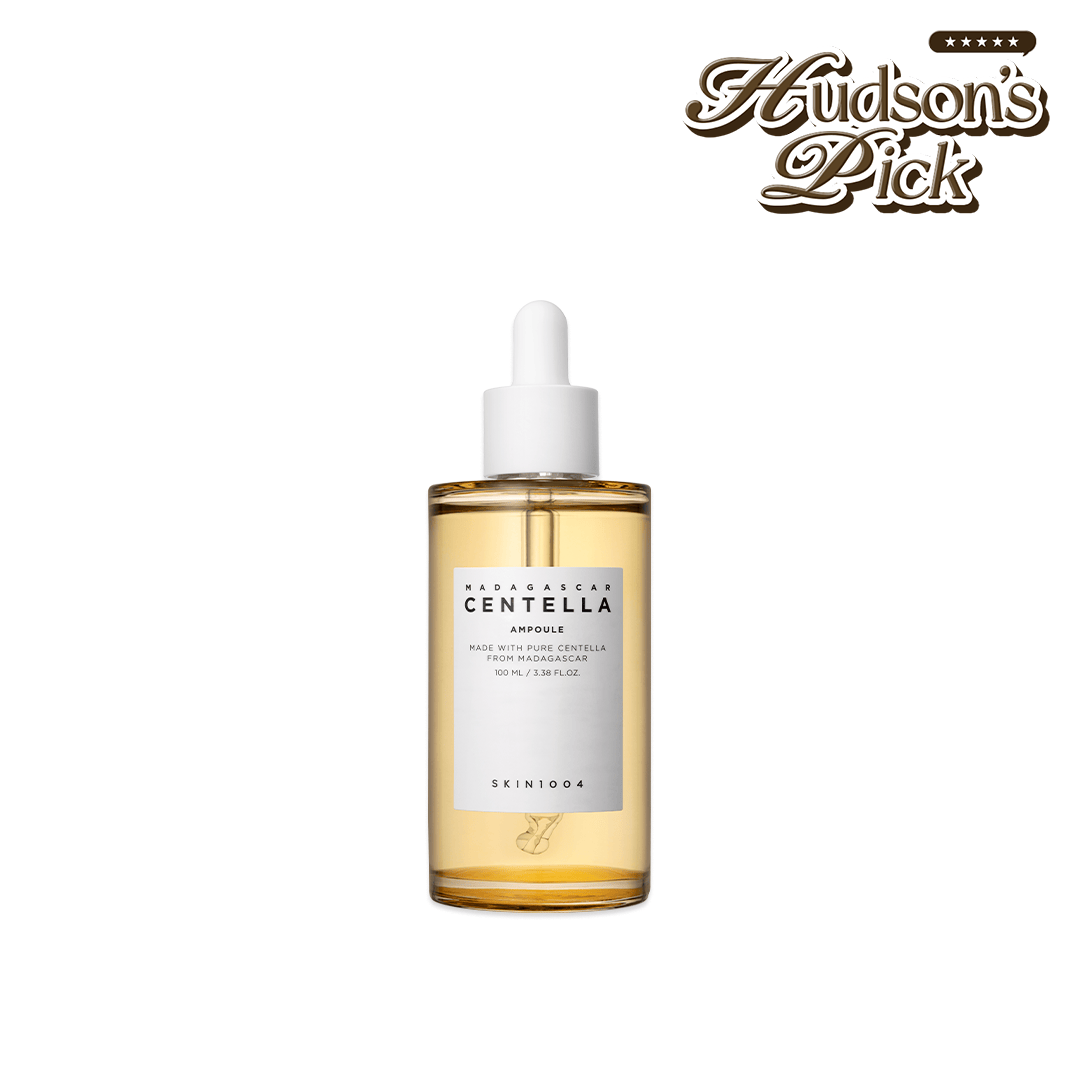
For dehydrated skin, the most useful lightweight serum pairs water-binding humectants with ingredients that help the barrier keep that water in place, and stays thin enough to layer under cream, makeup or sunscreen. We rank our own options on four criteria: humectant load, barrier support, texture under layers, and irritation risk. On those criteria our Centella Ampoule (listed at 17.6 USD) leads for daily use, with the Centella Quick Calming Pad as a two-minute prep step and the Centella Soothing Cream as the seal a serum cannot provide on its own.
A cold morning, a heated room, a long flight. Skin that felt comfortable yesterday reads tight by noon, looks a little dull, and drinks up whatever you put on it within minutes. That pattern is about water, not oil.
Dehydrated Skin and Dry Skin Are Measured Differently
Dryness describes a shortage of lipids. Dehydration describes a shortage of water in the outermost layer, and it can appear on oily skin just as easily as on flaky skin. The mechanism behind it has a name: transepidermal water loss, which Dermatology Times describes as the water that naturally escapes from skin into the surrounding air, rising significantly when the barrier is compromised and showing up as dryness, tightness and irritation.
A quick way to check at home: press a fingertip gently into your cheek after cleansing and wait. If the skin feels taut and slow to relax while your T-zone still produces oil by afternoon, you are looking at dehydration rather than a dry skin type. We wrote about that exact combination in Why Is My Face Oily by Noon but Still Tight?.
The Four Criteria We Rank On
Any "best serum" claim is only as good as the yardstick behind it, so here is ours.
- Humectant load. Does the formula contain ingredients that bind water into the stratum corneum, such as glycerin, panthenol, trehalose or sodium hyaluronate?
- Barrier support. Does anything in the formula help the skin hold that water afterwards? Ceramides, cholesterol and soothing botanicals count here.
- Texture under layers. A serum for dehydrated skin has to disappear under cream, sunscreen and makeup without pilling or tackiness.
- Irritation risk. Short ingredient lists, no fragrance-led formulas, nothing that stings freshly cleansed skin.
We apply the same four criteria to every product below, including our own, and we say plainly where a product only satisfies two of them.
Why Humectants Need Something on Top
Humectants pull water toward the surface. Left uncovered in dry air, much of that water simply evaporates again. The reference text Moisturizers, published in StatPearls by the NIH National Library of Medicine, explains that occlusive moisturizers reduce transepidermal water loss by forming a barrier, which lets the deeper layers of the epidermis and dermis replenish the water content of the stratum corneum.
Application timing matters for the same reason. The American Academy of Dermatology advises applying moisturizer while skin is still damp after washing, and adding a humidifier when the air at home is dry. A lightweight serum applied to slightly damp skin and sealed with a thin cream will outperform the same serum applied to bone-dry skin every time.
Hyaluronic Acid Is a Texture Decision as Much as an Ingredient
Hyaluronic acid earned its reputation honestly, and molecular weight changes what it does. A 2025 review published on the NIH's PubMed Central describes low-molecular-weight HA (under 200 kDa) as penetrating quickly to produce a transient improvement in hydration, while high-molecular-weight HA (over 1000 kDa) forms a continuous hydrophilic film on the surface that limits water loss and prolongs hydration. The same review notes the practical trade-off: high-molecular-weight HA has poor penetration, high viscosity and a cohesive feel that makes thin, even application harder.
That trade-off is why a thick HA serum can feel sticky under sunscreen while a thin one feels like it vanished. It is also why we treat "hyaluronic acid serum" as a starting point for a shortlist rather than a finish line. Ceramide-led and glycerin-led serums from widely stocked clinical brands solve the same problem through different chemistry, and a formula you will actually reapply daily beats a technically superior one you avoid.
Centella's Role in Our Formulas
Our whole range is built on Madagascar Centella asiatica, so the honest question is what that ingredient contributes to a hydration routine. A 2025 review in Pharmacia synthesises evidence from 2016 to May 2025 on Centella asiatica in dermatology and cosmeceuticals, covering wound repair, barrier support and photoaging, and identifies asiaticoside and madecassoside along with their aglycones as the principal active triterpenoid saponins.
Centella is frequently formulated alongside barrier lipids and panthenol. A 2025 prospective observational study in the Journal of Cosmetic Dermatology assessed a facial cream containing Centella asiatica leaf extract, ceramide NP and panthenol in subjects with sensitive skin and reported improvement in facial redness over a short duration. That study evaluated a different manufacturer's product, so read it as evidence for the ingredient combination rather than for anything of ours.
Our own claims stay inside what we can show on the label. Centella soothes and hydrates. Lipids still have to come from the cream step, and we present Centella as a comfort ingredient rather than a treatment for any skin condition.
Our Lightweight Picks, Scored on the Four Criteria
| Product | Texture and step | Hydration ingredients we list | Criteria met | Listed price |
|---|---|---|---|---|
| Centella Ampoule | Thin ampoule, after toner | Centella Asiatica Extract | Humectant load (partial), barrier support, texture, low irritation risk | 17.6 USD |
| Centella Quick Calming Pad | Essence-soaked pad, 2-minute step | Centella Asiatica Extract, Panthenol, Sodium Hyaluronate | All four | 18.9 USD |
| Centella Soothing Cream | Non-sticky gel, final step | Centella Asiatica Extract, Trehalose, Sodium Hyaluronate, Ceramide NP, Cholesterol | All four, as the seal rather than the serum | 7.5 USD |
1. Centella Ampoule
Our all-rounder, formulated to help soothe visible redness and comfort sensitive-looking skin using high quality Madagascan Centella asiatica extract, and suitable for all skin types with dry and delicate skin particularly in mind. It ranks first because it satisfies the texture and irritation criteria completely and layers under everything. Where it is weaker: Centella asiatica extract is the key ingredient we list, so if you want a serum whose headline act is a multi-weight humectant, pair it with the pad below rather than expecting the ampoule to do both jobs.
2. Centella Quick Calming Pad
An essence-rich toner pad with Centella and panthenol that soothes and hydrates in a simple two-minute step, with sodium hyaluronate among the key ingredients. It scores on all four criteria and is the fastest way to get a humectant layer onto damp skin before a serum. It is a pad rather than a serum, which is the only reason it sits second here.
3. Centella Soothing Cream
A non-sticky soothing gel with Centella, trehalose and Ceramide NP that moisturizes and helps support the skin's natural barrier. This is the layer that keeps the first two from evaporating, and at 7.5 USD it is the least expensive part of the routine.
Centella Ampoule
19.8 USD
Shop now

Centella Quick Calming Pad
18.9 USD
Shop now
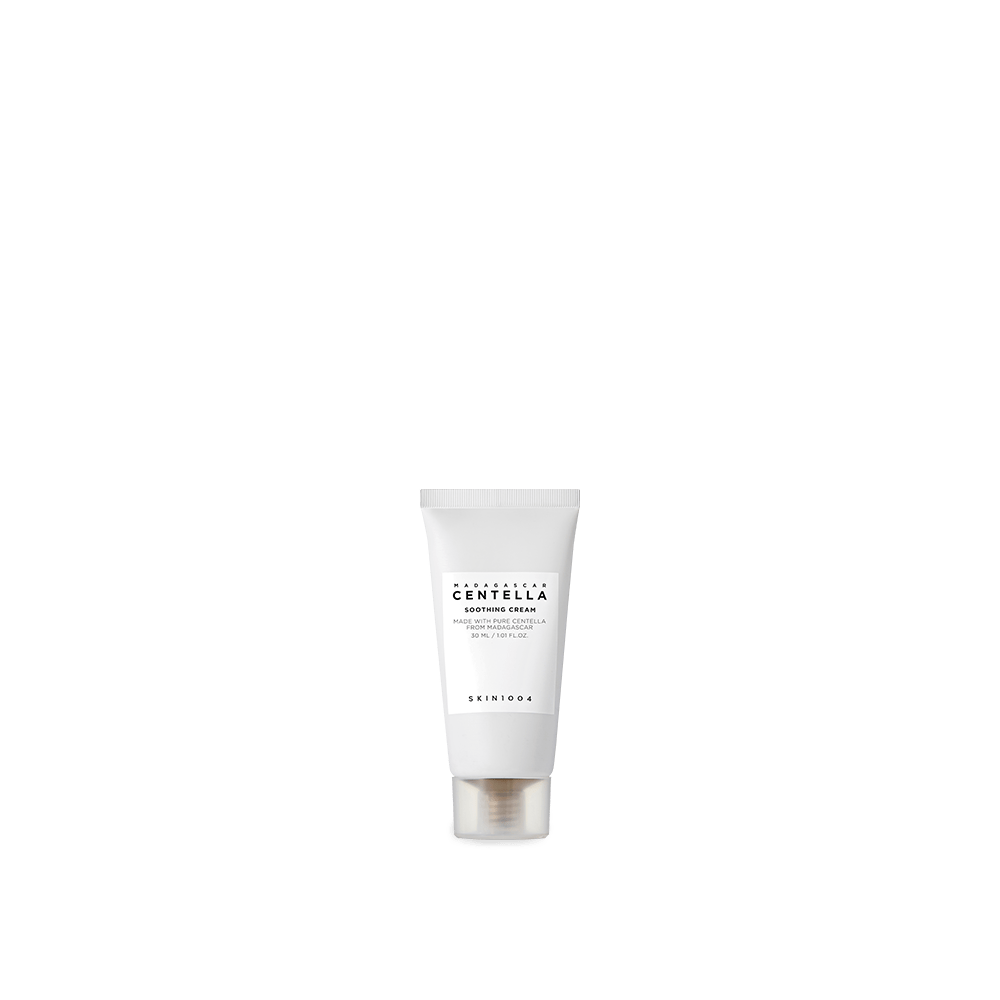
Centella Soothing Cream
7.5 USD
Shop now
If you want the full range in one place, our Centella collection overview lists every series.
A Two-Minute Routine for Dehydrated Skin
Cleanse gently. Our Centella Ampoule Foam is a pH-balanced (pH 5) cleanser made with coconut-derived surfactants and citric acid, formulated to clean without leaving skin feeling tight, which matters when the barrier is already losing water.
Then, on skin that is still slightly damp:
- Sweep the Centella Quick Calming Pad over the face. Two minutes, no rinsing.
- Press in the Centella Ampoule while the pad essence is still there.
- Seal with the Centella Soothing Cream.
- In the morning, finish with a broad-spectrum sunscreen.
Step 1 becomes optional once the tight feeling settles. Step 3 never does, because the seal is what makes the first two steps worth doing.
What a Serum Will Not Fix
Environmental load is the other half of the problem. Long hot showers, over-exfoliation and dry indoor air all push water out faster than any topical can replace it, and the AAD guidance above puts short warm showers, gentle cleansers and a humidifier alongside moisturizer for exactly that reason. If tightness comes with cracking, bleeding or persistent itch, that is a conversation for a board-certified dermatologist rather than a new serum.
Ready to start? The Centella Ampoule is where most of our customers with dehydrated, sensitive-looking skin begin.
FAQ
Can oily skin be dehydrated?
Yes. Oil production and water content are separate variables, which is why skin can look shiny at the surface and still feel tight after cleansing. Choose a thin, humectant-led layer and a light gel seal rather than skipping moisturizer entirely.
Should I apply a hydrating serum to wet or dry skin?
Slightly damp. The AAD recommends applying moisturizer while skin is still damp after washing, and the same logic applies to a serum: the water on the surface gives the humectants something immediate to bind.
How long before a hydrating serum shows results?
Surface comfort often changes within a day or two because the stratum corneum rehydrates quickly. Barrier-level improvement is slower and depends on consistency, cleanser choice and humidity, so give a routine several weeks before judging it.
Is a serum enough on its own in winter?
Rarely. Humectants attract water upward, and in dry air that water evaporates unless something sits on top of it, which is what the StatPearls moisturizer reference describes when it explains how occlusives reduce water loss. Keep a cream in the routine even if you prefer a light one.
Can I use a hydrating serum with actives like retinol or exfoliating acids?
Usually yes, and hydration layers are often what make actives tolerable. Apply the humectant layer first, keep the active in its own step, and reduce frequency if you see redness or stinging.