
Sunscreen Without a White Cast: What to Look For in 2026
The sunscreens least likely to leave a white cast are tinted mineral formulas with iron oxides in a shade close to your own, and organic-filter ("chemical") formulas, which contain no white mineral particles. Untinted zinc oxide or titanium dioxide usually causes the chalky finish, and it shows most on medium to deep skin tones. Whichever type you choose, look for broad-spectrum SPF 30 or higher, apply a full teaspoon to the face, and remove it completely at night.
Late afternoon light finds every pale streak on a cheekbone. We are SKIN1004, a Centella skincare brand, and we wrote this guide to explain how to read any sunscreen label for a clear finish. Our own products appear only in the steps they are made for: the layer underneath and the cleanse afterward. We do not rank our own sun products here.
Where does a white cast come from?
The white film comes from the mineral UV filters themselves. Zinc oxide and titanium dioxide are white pigments. A 2021 review in the Journal of the American Academy of Dermatology by Lyons and colleagues explains that sunscreens use them as nanoparticles to minimize the chalky, white appearance on skin (JAAD review, Lyons et al., 2021). Smaller particles look clearer. The same review notes the trade-off: in that nano form, mineral filters no longer protect against visible light.
Skin tone decides how visible the residue is. Dermatology of Seattle describes traditional untinted zinc oxide formulas as functionally unwearable on deeper skin tones, which has historically pushed people with melanin-rich skin toward chemical-only formulas (Dermatology of Seattle).
Both filter families still do the same basic job. According to the American Academy of Dermatology's sunscreen FAQs, chemical, physical and hybrid sunscreens all form a protective layer that absorbs the sun's rays, and physical sunscreens also reflect them. The finish is what changes.
Four formula types compared
| Formula type | How to spot it on the label | White-cast risk | What to weigh |
|---|---|---|---|
| Untinted mineral | Active Ingredients lists only zinc oxide and/or titanium dioxide | Highest; most visible on medium to deep skin | Both filters are proposed by the FDA as generally recognized as safe and effective |
| Tinted mineral | Zinc oxide and/or titanium dioxide as actives, with iron oxides under Inactive Ingredients | Low when the shade matches | Adds visible-light protection; shade and undertone matter |
| Organic ("chemical") filter | Actives such as avobenzone, homosalate, octisalate or octocrylene | Low; no white mineral particles | FDA has asked for more safety data on these filters, which remain on sale |
| Hybrid | Mineral and organic actives together | Varies with the mineral share | Check how prominent zinc oxide or titanium dioxide is in the actives list |
The AAD backs the tinted row directly. The AAD's guide to sunscreen labels says tinted sunscreens contain iron oxide, which research shows helps protect skin from visible light, and that a tint can also help you avoid the white residue some sunscreens leave. For the organic row, L'Oréal Paris, citing the AAD, notes that chemical sunscreens lack the chalky minerals that give physical sunscreens their white tint (L'Oréal Paris).
The regulatory column matters for US shoppers. In 2019 the FDA proposed that zinc oxide and titanium dioxide are generally recognized as safe and effective (GRASE), and placed 12 organic filters, including avobenzone, homosalate and octisalate, in an insufficient-data category (FDA fact sheet, 2019). The FDA's 2021 proposed sunscreen order that would formalize those categories has not yet been finalized (FDA). Meanwhile the other filters can still be used while more safety data are gathered (Ithos).
Reading a label for a clear finish
- Start with the Active Ingredients panel. The AAD sunscreen FAQs point you there to see which filters a product uses. Zinc oxide or titanium dioxide alone, with no tint, means you should expect some cast.
- Then scan the inactive list for iron oxides. In AAD news coverage, Dr. Lim recommends tinted sunscreens with iron oxides and notes they are listed under "inactive ingredients" (AAD). A 2021 JAAD letter adds that pigmentary titanium dioxide, when used for tint, appears under active ingredients (JAAD practical guide). So a tinted formula's active list can look identical to an untinted one.
- Look for "tinted," broad spectrum and SPF 30 or higher. That is the combination the AAD label guide recommends for visible-light protection.
- Match shade and undertone. Dr. Lim encourages choosing the tinted shade according to your skin tone and undertone (AAD).
- Check water resistance if you sweat. The FDA has not defined "sport" on sunscreen labels. The AAD says the word usually means the product stays on wet skin for 40 or 80 minutes, so read the label to be sure (AAD).
An example of the tinted mineral pattern
CeraVe Hydrating Mineral Sunscreen SPF 30 Face Sheer Tint shows what this label pattern looks like in practice. Its maker lists titanium dioxide and zinc oxide for broad-spectrum SPF 30, and offers a Deep shade alongside lighter and medium shades (CeraVe). NBC News reports that the formula uses a blend of yellow, red and black iron oxides, according to the brand (NBC News).
We name it as an illustration of the category. We have not tested it, and CeraVe is a separate company.
What changed for US sunscreen filters in 2026?
In June 2026 the FDA issued a final order adding bemotrizinol, at concentrations up to 6 percent, as a sunscreen active ingredient (FDA). Dermatology Times describes it as a broad-spectrum filter covering both UVA and UVB (Dermatology Times).
Shelves will take time to reflect it. Companies could begin using the filter from August 9, 2026 (The Hill), and board-certified dermatologist Dr. Jane Yoo notes that DSM Nutritional Products and its licensees hold an 18-month US exclusivity period (Jane Yoo MD). How the new filter will affect finish in US formulas is still an open question, so the label checks above remain the practical guide for now.
The thin-layer trap
A visible cast tempts people to spread sunscreen thinner. Blair Murphy-Rose, MD, writing for the Skin Cancer Foundation, notes that research shows most people apply only 25 to 50 percent of the recommended amount, so they do not get the full SPF on the label (Skin Cancer Foundation).
The AAD advises at least 1 teaspoon for the face, about enough to cover the length of your index and middle fingers (AAD). Reapply at least every two hours outdoors, or right after swimming or heavy sweating (APDerm).
This is why a clear finish is worth choosing on purpose. As the AAD puts it, "The best type of sunscreen is the one you will use again and again" (AAD sunscreen FAQs). A formula you are happy to wear at the full teaspoon is likely to give you more of its labeled protection than one you apply sparingly.
Before and after: where our Centella steps fit
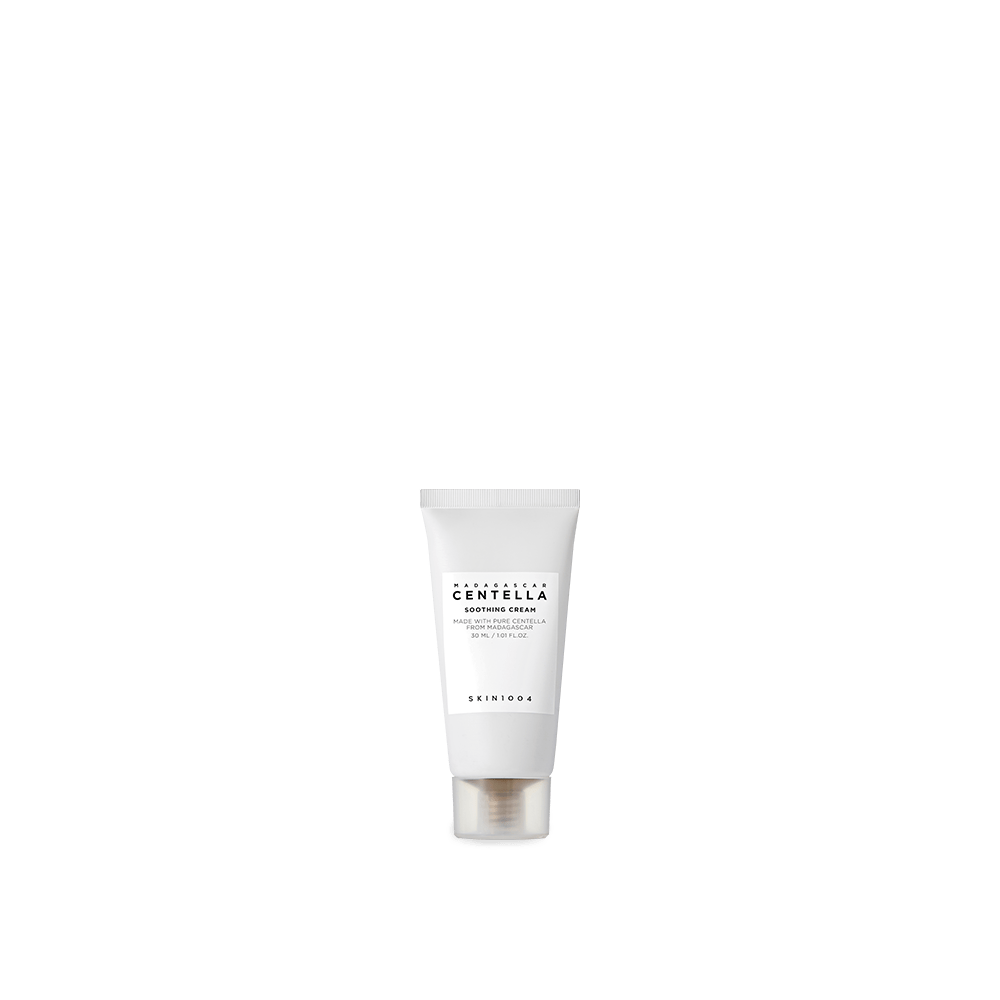
Texture underneath affects how even the sunscreen film looks. A DelMeds skincare guide notes that dry areas may hold more visible product than oily areas, and that an uneven film can make the complexion look duller or greyer over the day (DelMeds). If dry patches are part of your cast problem, a light moisturizing layer first may help the sunscreen sit more evenly. Our Centella Soothing Cream is a non-sticky soothing gel with Centella, Trehalose and Ceramide NP that moisturizes the skin and helps support its natural barrier. For layering order and wait times, see our guide to stopping sunscreen pilling.
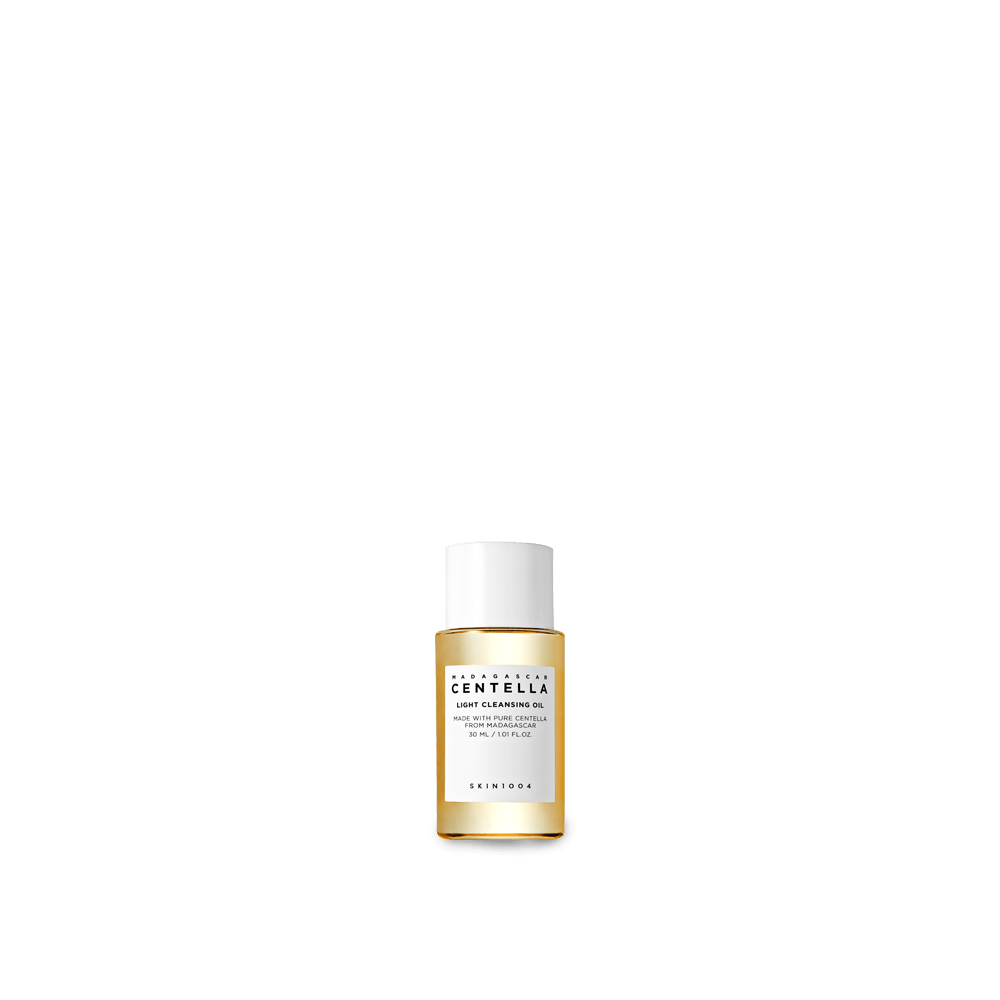
At night, tinted and water-resistant formulas need a thorough cleanse. Our Centella Light Cleansing Oil pairs Centella with six plant-derived oils to dissolve makeup, sunscreen and excess sebum, and it is listed for normal, dry and combination skin. It contains bergamot fruit, pelargonium flower and rose flower oils, so skip it if those plant oils bother your skin.
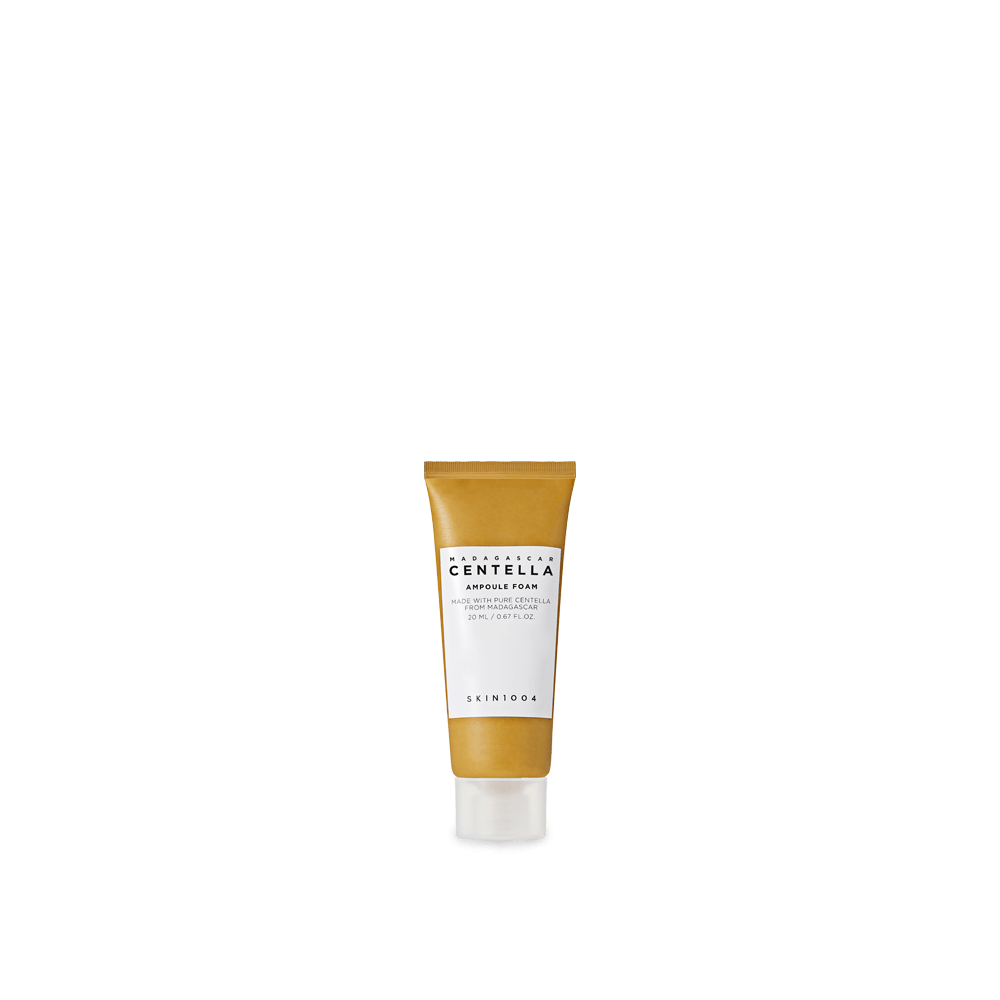
A second cleanse with our Centella Ampoule Foam follows, a pH-balanced cleanser made with coconut-derived surfactants and citric acid. Its pH range is 5.5 ± 0.5.
Centella Soothing Cream
7.5 USD
Shop now
Centella Light Cleansing Oil
5.5 USD
Shop now
Centella Ampoule Foam
4 USD
Shop now
FAQ
Does a stronger white cast mean more protection?
For UV, the SPF and broad-spectrum claims on the label are the measure, whether the formula looks clear or white. Visible light works differently: the JAAD review states that a sunscreen must be visible on the skin to protect against visible light (JAAD review, Lyons et al., 2021). A skin-matched tint is how formulas make that visibility wearable.
Does a "sensitive skin" label mean no white cast?
Usually the opposite. The AAD says a "sensitive skin" label often means the sunscreen relies on titanium dioxide and zinc oxide and leaves out fragrance and chemical actives (AAD). Unless it is also tinted, expect some cast. Our guide to choosing sunscreen for sensitive skin and eyes covers that trade-off in more depth.
Who benefits most from a tinted formula?
The AAD notes that visible light can increase skin darkening (hyperpigmentation), particularly in people with darker skin tones, and recommends a tinted broad-spectrum sunscreen with SPF 30 or higher alongside shade and sun-protective clothing (AAD sunscreen FAQs).
Close the day gently
Whatever finish you choose, the evening cleanse is part of wearing it well. Start with the Centella Light Cleansing Oil and let the day's sunscreen dissolve away.