
Oily by Noon but Tight? What Serum Actually Helps

Skin that shines by midday yet feels tight is usually dehydrated: its outer layer is short on water while oil production carries on. The serum that helps is a thin, water-based, noncomedogenic layer built on humectants such as glycerin, panthenol or hyaluronic acid, followed by a light gel moisturizer so that water stays in. If visible shine is your main complaint, niacinamide is the ingredient with the clearest clinical data on sebum, and a gentle cleanser matters as much as the serum itself.
By noon, the calm of the morning routine has often worn thin: a sheen across the forehead, a pull across the cheeks. At SKIN1004 we build our routines around Centella, hydration and gentle cleansing, and this pattern is where those three steps have to work together.
What "oily but tight" usually means
Dermatology writers separate two ideas that everyday language blurs. A medically reviewed explainer from Healthline describes dehydrated skin as lacking water and dry skin as lacking oils, and notes that people with oily or combination skin can still be dehydrated. CeraVe frames dehydration as a condition in which the uppermost layer of skin lacks water, which is why a face can feel oily and dry at the same time.
That distinction changes what you buy. Dry skin generally calls for richer lipids. Dehydrated skin that is already oily calls for water-binding ingredients in a light texture, plus something that slows evaporation. Some skincare sources, such as Derma Made, go further and suggest that water-starved skin may produce extra oil to compensate. That idea is plausible, though it is less firmly established than the basic water-versus-oil distinction.
| What you notice | Likely driver | What to look for |
|---|---|---|
| Tightness within minutes of washing | Cleanser too harsh or too frequent | Mild foaming cleanser; fewer washes |
| Shine on the T-zone, pulling on cheeks by noon | Low surface water with ongoing oil output | Humectant serum plus light gel moisturizer |
| Tightness worse in heated or air-conditioned rooms | Dry indoor air speeding water loss | Seal humectants with a moisturizer |
| Shine is the main issue, little tightness | Oil output itself | Niacinamide; oil-free, noncomedogenic textures |
Start with the cleanser
Before adding anything, look at what you remove. The American Academy of Dermatology warns that a face wash that is too harsh can irritate skin and trigger increased oil production. The AAD recommends a mild, gentle foaming wash, cleansing up to twice daily and after sweating, and resisting the urge to scrub.
If your skin feels tight on waking, a morning wash may be optional. In an AAD guide to skincare, dermatologist Dr. Garshick notes that for dry or sensitive skin, washing once a day in the evening may be sufficient.
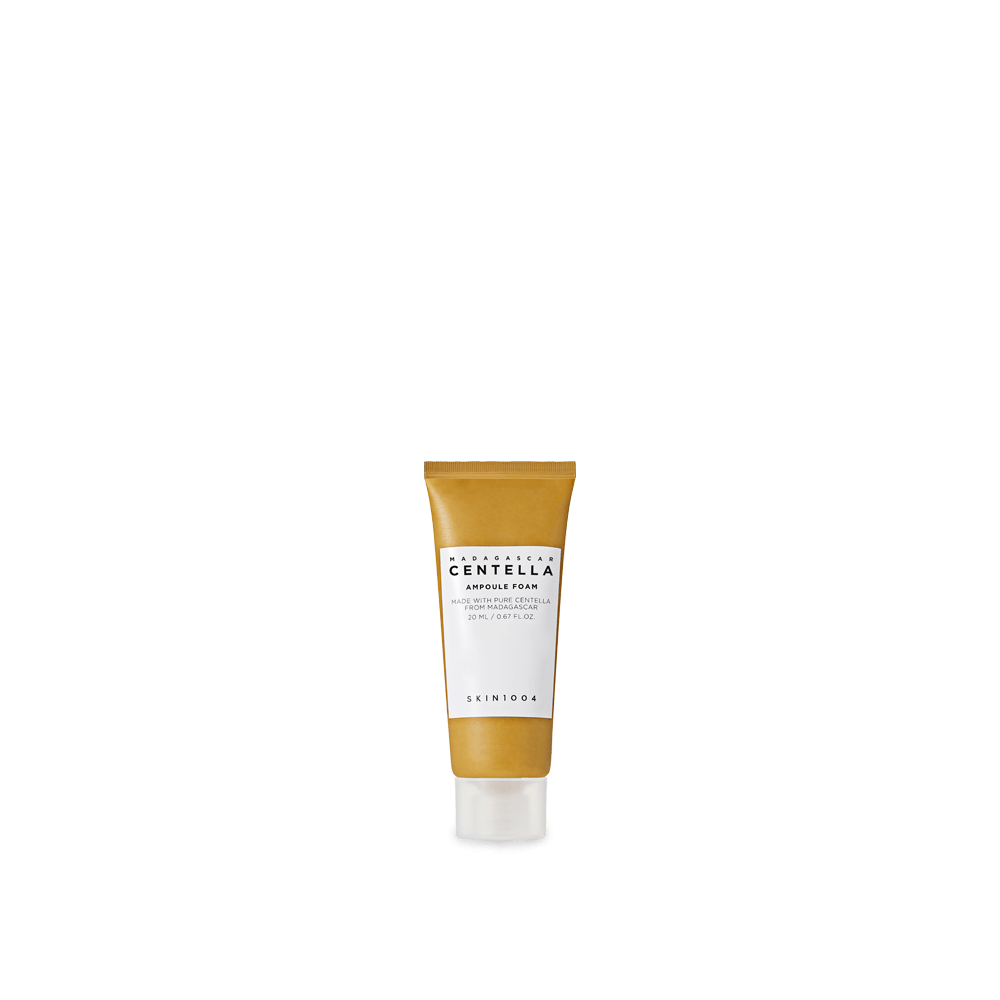
Our Centella Ampoule Foam is built for this gentler approach: coconut-derived surfactants and citric acid, formulated at pH 5.5 ± 0.5 (a 5.0-6.0 range), for normal and sensitivity-prone skin.
What the serum should contain
Humectants first. A review of moisturizers published in Clinical Medicine & Research lists glycerin, panthenol and hyaluronic acid among common humectants. The same review adds an important caveat: humectants can draw water from the dermis into the epidermis, where it can evaporate, so they are frequently combined with occlusive ingredients. In practice, a hydrating serum on its own can leave oily, dehydrated skin feeling tighter by afternoon. The moisturizer on top is part of the answer.
A light, noncomedogenic texture. The AAD advises people with oily skin to choose products labeled "oil free" and "noncomedogenic," and to keep moisturizing even though the skin looks oily.
Niacinamide, if shine matters most. In a study published by Draelos and colleagues in the Journal of Cosmetic and Laser Therapy (2006), 100 Japanese participants used either a 2% niacinamide moisturizer or a placebo for 4 weeks, and the niacinamide group had a significantly lower sebum excretion rate at weeks 2 and 4. In a separate 6-week split-face study of 30 Caucasian participants, casual sebum levels fell significantly while the sebum excretion rate did not. The evidence supports niacinamide for reducing surface oil in some people, with results that varied by group and measurement.
Centella for comfort. In a 4-week human study archived on PubMed Central, 25 volunteers applied test formulations containing 2.5% or 5% Centella asiatica extract to their forearms twice a day, and the 5% formulation showed the best improvement in surface hydration and reduction in transepidermal water loss. These were laboratory test formulations applied to forearms, so the results describe the ingredient under those conditions only and cannot be transferred to a specific retail product.
| Ingredient | Role for oily, tight skin | Evidence note |
|---|---|---|
| Glycerin, panthenol, hyaluronic acid | Draw and hold water in the outer layer | Work best sealed with a moisturizer |
| Niacinamide (2%) | Reduces surface oil in some people | Mixed results across two trials |
| Centella asiatica extract | Hydration and comfort | Small forearm study of test formulations |
| Ceramides, cholesterol | Support the lipid barrier in a moisturizer | Common in barrier-focused creams |
Where our Centella products fit
We make Centella-first skincare for calm, hydrated-looking skin, and three of our products map onto the routine above. We also want to be clear about gaps.
- Centella Ampoule: the serum step. Madagascar Centella Asiatica extract, positioned for soothing and hydration and suitable for all skin types, especially dry and delicate skin. It has completed a human-use noncomedogenic test (20 participants, applied to the forehead twice daily and assessed at 0, 2 and 4 weeks), which we explain in What Makes an Ampoule Truly Non-Comedogenic?. That wording appears on Korean packaging and is absent from US/CA and EU/UK packaging. The Centella Ampoule contains no sodium hyaluronate and does not list niacinamide, so its role in this routine is comfort and hydration.
- Centella Quick Calming Pad: an essence-rich pad with Centella, panthenol and sodium hyaluronate, listed for normal, combination and oily skin. Its humectants make it a practical first hydration layer, used as a simple 2-minute step.
- Centella Soothing Cream: a non-sticky gel with trehalose, sodium hyaluronate, ceramide NP and cholesterol that moisturizes and helps support the skin's natural barrier. This is the layer that keeps the water from your serum where it belongs.
If shine is your first concern, add a niacinamide product as a separate step and introduce it on its own for a week or two so you can tell what is working.
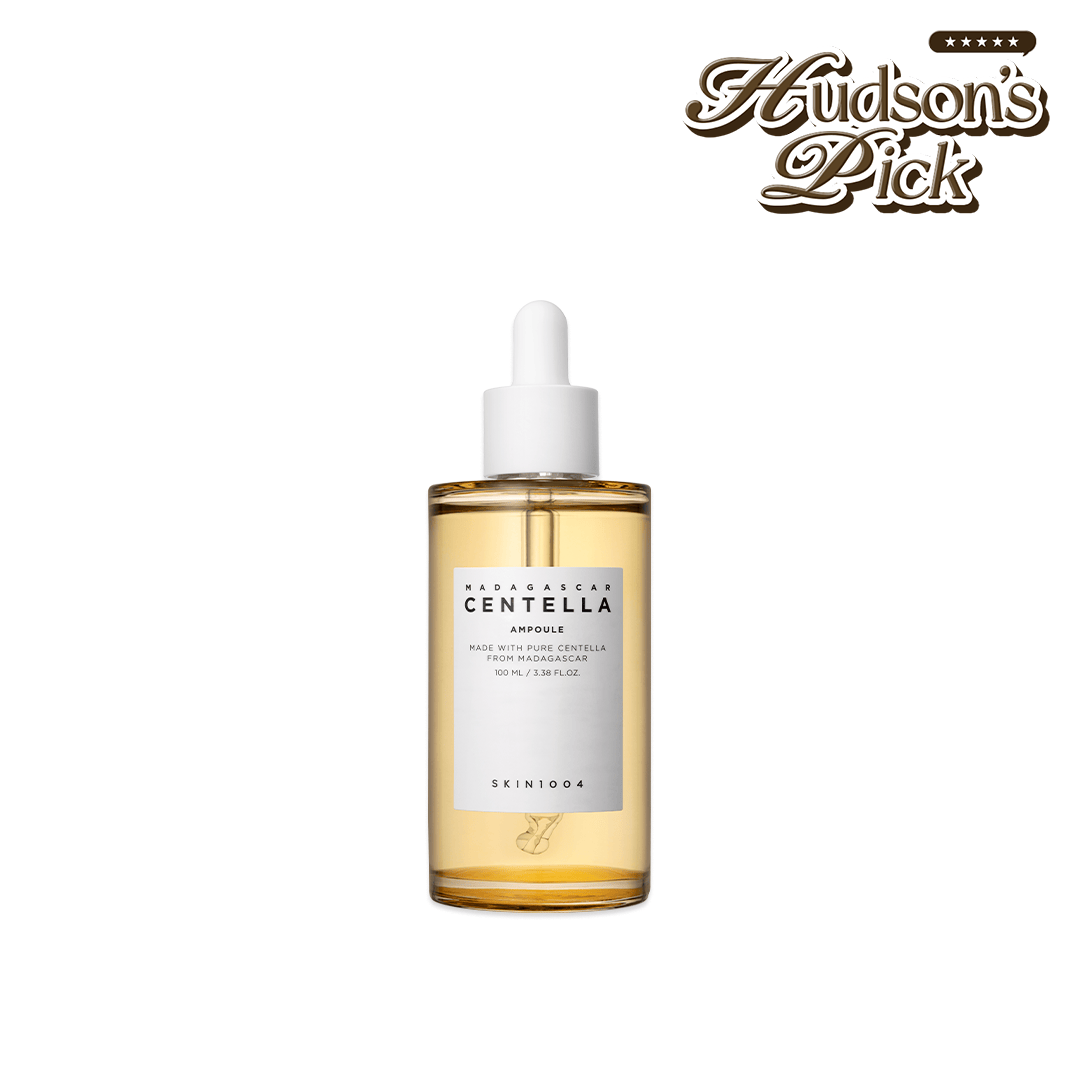
Centella Ampoule
19.8 USD
Shop now

Centella Quick Calming Pad
18.9 USD
Shop now
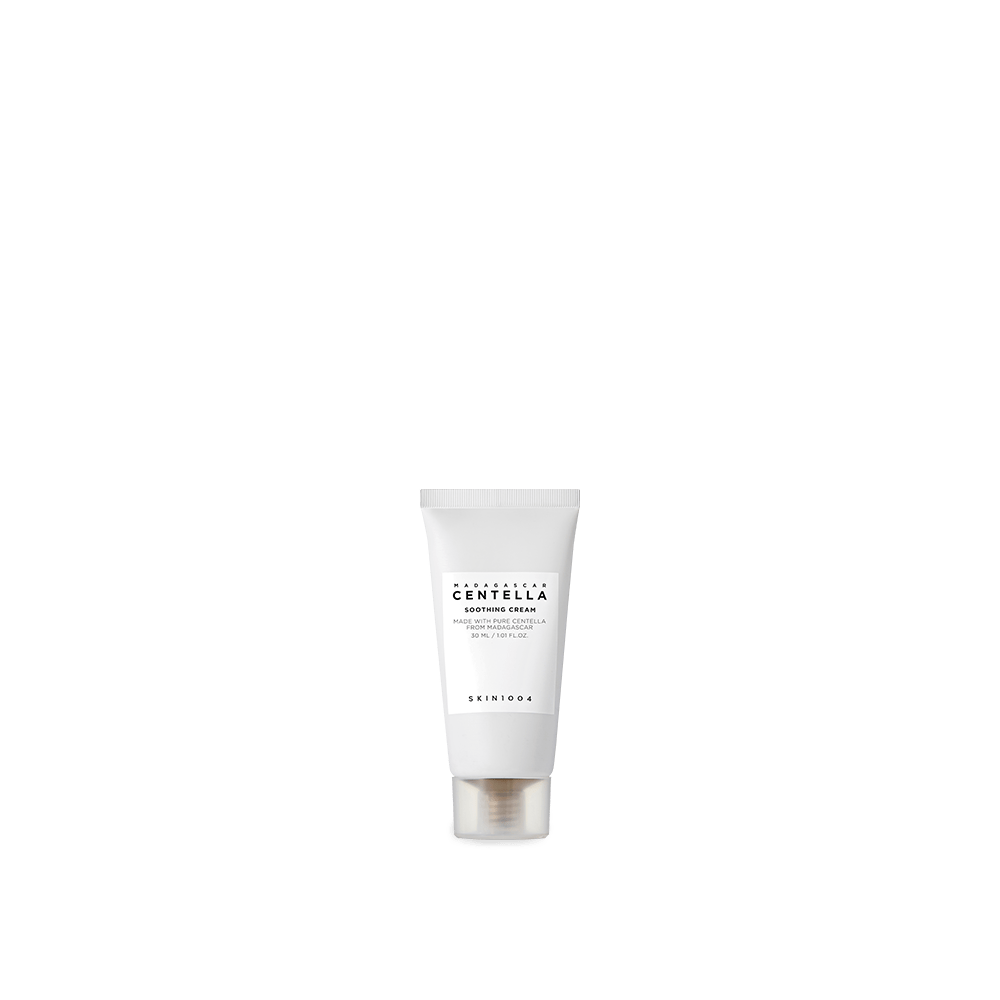
Centella Soothing Cream
7.5 USD
Shop now
A morning order that lasts until noon
- Cleanse gently, or rinse. Use a mild foam if you woke up oily. If you woke up tight, a water rinse may be enough.
- Hydrate while skin is slightly damp. Press in a humectant layer (a pad, or a few drops of ampoule).
- Seal with a thin gel moisturizer. This is the step that slows evaporation from the humectant layer beneath it.
- Finish with sunscreen outdoors. The AAD recommends wearing sunscreen outdoors and, for breakout-prone skin, suggests formulas with zinc oxide and titanium dioxide that are free of fragrance and oils.
When tightness points to something else
Acne treatments and strong acids can cause the same tight, oily-looking pattern. The AAD notes that salicylic, glycolic and lactic acids can reduce oiliness but may be too harsh, and advises using them less often if skin becomes irritated. Schweiger Dermatology Group adds that persistent dryness or dehydration can signal an underlying condition, so skin that stays irritated or inflamed after you adjust your routine deserves a dermatologist's evaluation.
For a broader look at texture choices, see our guide to the best lightweight serum for dehydrated skin.
FAQ
Is oily, dehydrated skin the same as combination skin?
Combination is a skin type, while dehydration is a condition. Healthline notes that dehydration can happen regardless of skin type, including oily or combination skin, so you can have combination skin that is also dehydrated.
Why does the tightness get worse in winter or on flights?
Low humidity is a common trigger. Derma Made points to cold, dry climates and indoor heating as causes of winter dehydration. This is also when sealing your humectant layer with a moisturizer matters most.
Can I use an exfoliating toner with this routine?
Yes, gently. Our Centella Toning Toner is a PHA toner with gluconolactone and betaine designed for daily use. If your skin already feels tight, introduce it slowly and cut back if you notice irritation, in line with the AAD's advice on acids.
How long before I notice a difference?
Schweiger Dermatology Group says addressing dehydrated skin often leads to noticeable improvement within weeks. Give one routine change a few weeks before judging it.
If your afternoons feel tight and shiny, start with the serum step: explore the Centella Ampoule and pair it with a light gel layer. Shop Now.