
Non-Comedogenic Sunscreen for Dry, Acne-Prone Skin
For skin that clogs easily but also runs dry, choose a broad-spectrum SPF 30 or higher labelled non-comedogenic and fragrance-free, and solve the dryness in the layers underneath rather than asking the sunscreen to moisturise. "Non-comedogenic" carries no standardised test behind it, so the label narrows the field and a two-week trial on your own face settles it. The checks, the filter question and the routine around SPF are below.
A warm morning, a clean face, and then the one step that undoes it. We hear this from people who use our Centella range more than almost anything else: the sunscreen protects, and two days later the chin and jaw answer back. At the same time the cheeks tighten by mid-morning. Both things are true at once, and the fix is rarely a single miracle bottle.
What the non-comedogenic label actually guarantees
Less than most shoppers assume. A 2025 clinical review published in JAAD Reviews, the review journal of the American Academy of Dermatology, traced the term back to the 1970s and found no standardised testing or regulatory oversight behind it, which lets companies apply the word regardless of a product's real potential to cause acne. The same review flags two methodological problems that matter when you are reading a bottle: comedogenicity has usually been assessed on isolated ingredients rather than the finished formula, and the classic rabbit ear assay produced inconsistent results when the same substances were applied to human skin.
The human alternative is slow and uncomfortable, which is part of why it is rarely run on a retail sunscreen. In the model described by Mills and Kligman in 1982, test substances were applied under occlusion for a month to the upper back, and follicular contents were lifted with a fast-setting cyanoacrylate glue to count follicular hyperkeratosis. That paper also noted the rabbit model is more sensitive than the human one, so a mildly comedogenic result in rabbits may still be fine on most people, with acne-prone skin as the likely exception.
So the label is a filter, not a verdict. The American Academy of Dermatology still points acne-prone shoppers toward the words "non-comedogenic" or "won't clog pores", and points dry skin toward "moisturizing" on the label. When your skin is both, you are reading for two things at once.
Why one face can clog and tighten at the same time
Oiliness and dryness are measured differently, and acne-prone skin often scores high on both. A cross-sectional study in Clinical, Cosmetic and Investigational Dermatology measured skin barrier parameters in people with acne vulgaris against controls and found significantly higher transepidermal water loss alongside higher sebum production, with the impairment larger in moderate to severe acne. Water content was not the problem in that cohort; the authors found no correlation between hydration and water loss, which they read as genuine barrier disruption rather than a simple lack of moisture. Their practical conclusion was that adjunctive moisturisers for acne patients should be built to optimise the epidermal barrier rather than simply to add water.
A face producing plenty of oil can still leak water through a damaged barrier, and acne medications push the same numbers further. The AAD's guidance for people on isotretinoin makes the same point from the clinic side, recommending oil-free or non-comedogenic moisturisers applied while the skin is still damp and mineral filters containing titanium dioxide, zinc oxide or both for skin that has turned sensitive.
Six checks before you buy
| Check | What to look for | Why it matters here |
|---|---|---|
| Protection level | Broad-spectrum, SPF 30 or higher | The AAD's daily minimum; UVA passes through window glass, UVB causes the burn (AAD) |
| Pore claim | "Non-comedogenic" or "won't clog pores" | Narrows the field even though the claim is unregulated |
| Fragrance | Fragrance-free | Reactive, barrier-impaired skin has less tolerance for added irritants |
| Humectants and lipids | Glycerin, hyaluronic acid, ceramides in the formula | Addresses the dry half without a heavy occlusive layer |
| Filter type if you are reactive | Zinc oxide, titanium dioxide, or both | The AAD notes these cause less irritation on sensitive skin |
| Texture you will reapply | Fluid, gel-cream or lotion you can layer without tackiness | A sunscreen you skip at 2pm protects nothing |
Two weeks of daily use on your usual face is the real test. Closed comedones take time to surface, so a single clear morning proves nothing, and a breakout on day three is more likely to be last week's follicle than today's bottle.
Mineral or chemical: a smaller question than it looks
Both filter families protect when the product is formulated to broad-spectrum SPF 30 or higher. For reactive skin the deciding factor is tolerance, and the AAD points to zinc oxide and titanium dioxide as the gentler filters for skin that stings or flushes easily. Mineral formulas can also sit visibly on deeper skin tones and can feel drier, so a tinted or hybrid version is often the version people keep using.
If your breakouts started with a specific product rather than with sunscreen as a category, look at what else changed that week. The ingredients repeatedly flagged in the comedogenicity literature are heavy oils and butters carried in a formula, rather than the UV filters themselves.
Application decides more than the formula
The AAD reports that most adults apply only 25 to 50 percent of the recommended amount, and recommends at least one teaspoon for the face, applied 15 minutes before going outdoors, with reapplication every two hours outdoors or after swimming and sweating.
For skin that pills or clogs, three habits change the result more than switching brands again:
- Let each layer settle. Sunscreen applied into a still-wet serum lifts and rolls, and the rolled product ends up in the same creases every day.
- Reapply in the places that actually get sun rather than re-coating the whole face indoors.
- Remove it properly at night. Sunscreen is designed to cling through sweat, so water alone leaves a film behind.
What we make, and what we do not
We should be plain about scope: the SKIN1004 catalog covered here is Centella skincare rather than sun care, so we are not going to rank ourselves into a sunscreen list. What we do make are the layers on either side of it, which is where the dry-but-clogged combination usually gets decided.
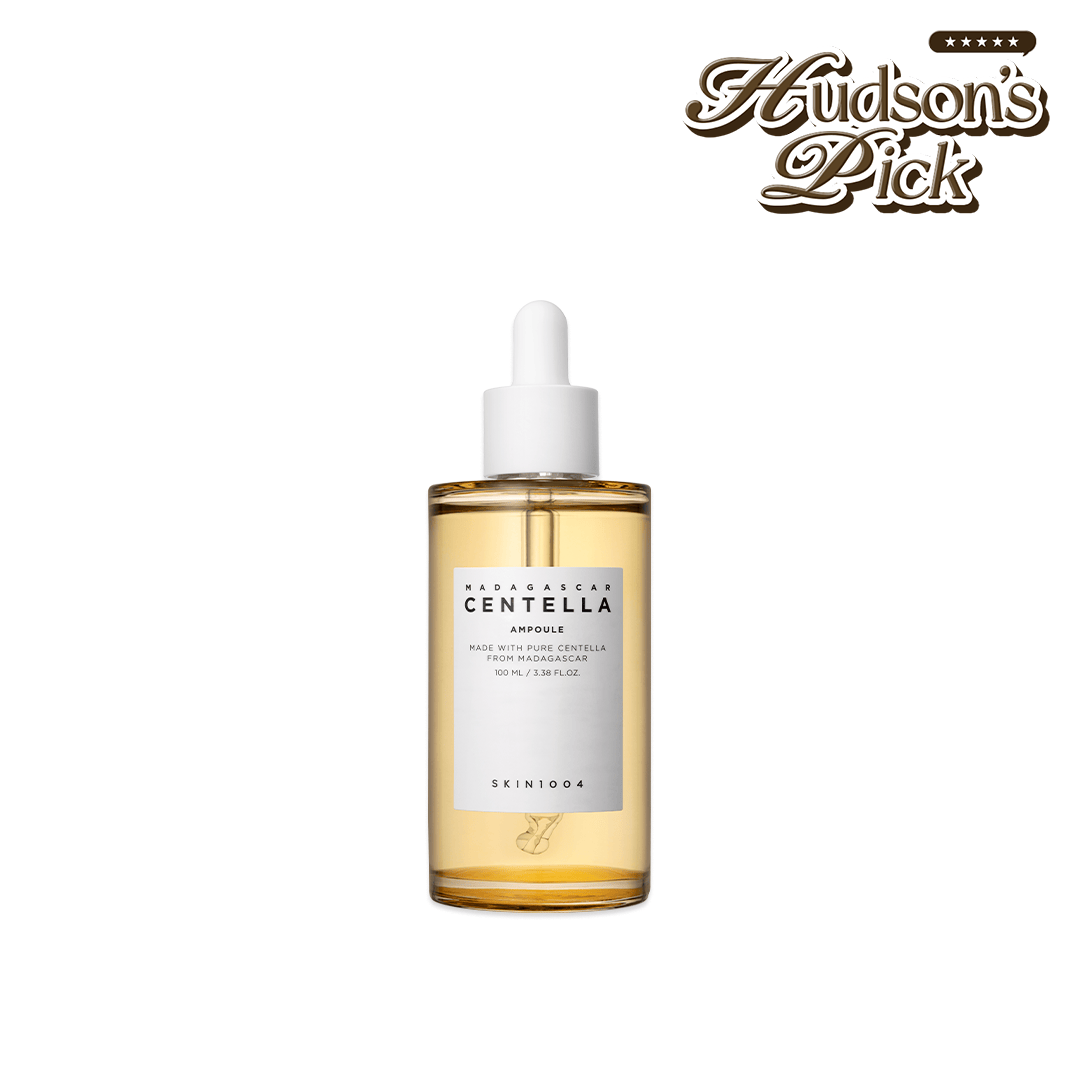
Under sunscreen, our Centella Ampoule is a single-focus soothing and hydrating step built on Madagascan Centella Asiatica extract, formulated for skin that reads as sensitive and dry. For the barrier side, Centella Soothing Cream is a non-sticky gel with Centella, Trehalose, Sodium Hyaluronate, Ceramide NP and Cholesterol, which is the lipid-plus-humectant pairing the acne barrier research argues for. At night, Centella Light Cleansing Oil dissolves makeup, sunscreen and excess sebum with Centella and six plant-derived oils, and Centella Ampoule Foam follows at pH 5 with coconut-derived surfactants.
An honest caveat on the oil cleanser: it is an oil, and some acne-prone users would rather not put one on the face at all, even a rinse-off. If that is you, a low-pH gel or foam cleanser used twice with care does the same removal job more slowly.
Centella Ampoule
19.8 USD
Shop now
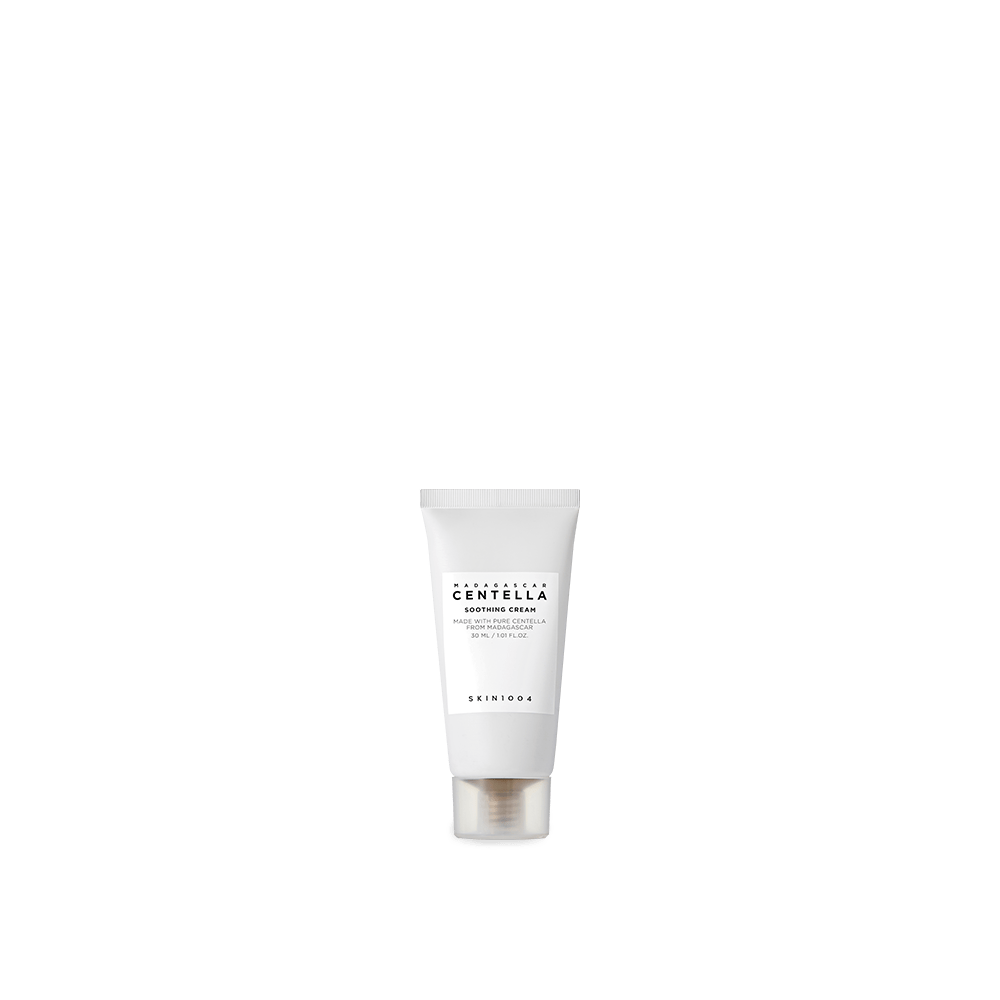
Centella Soothing Cream
7.5 USD
Shop now
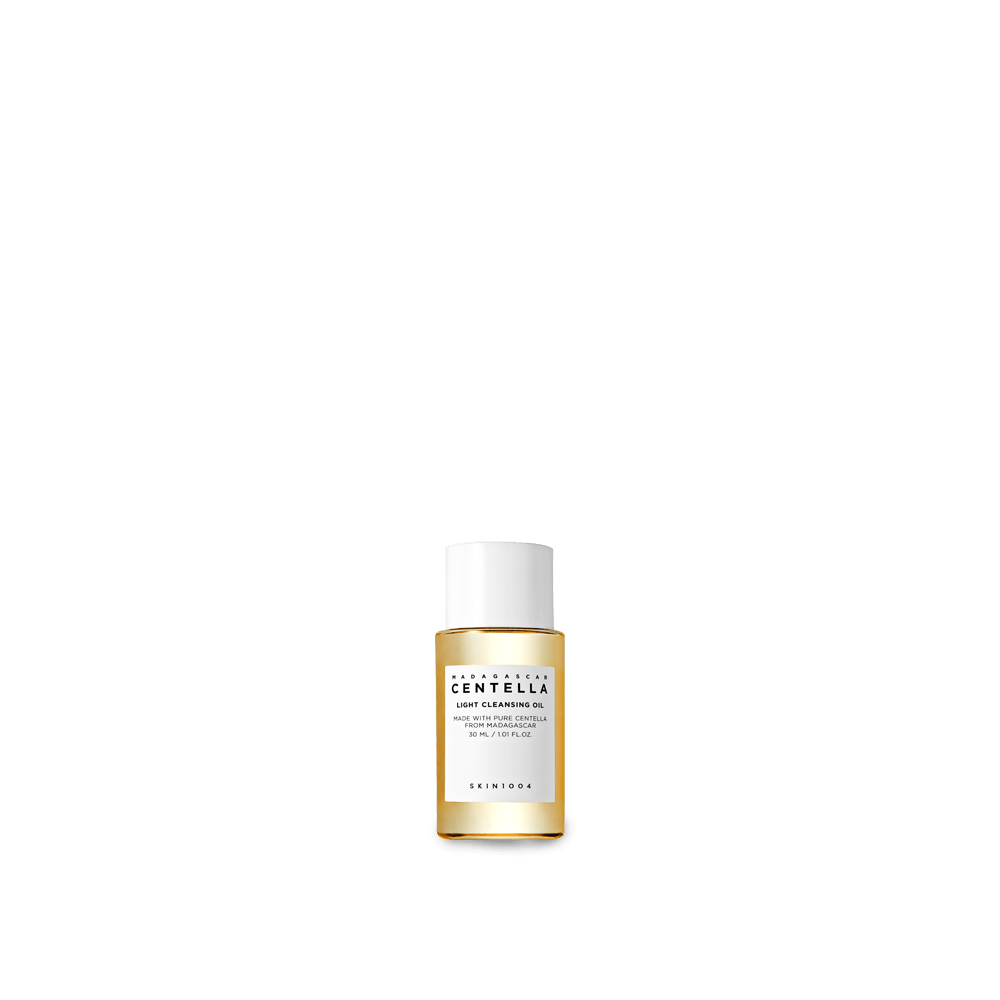
Centella Light Cleansing Oil
5.5 USD
Shop now
A day that respects both problems
Morning: cleanse gently, apply a hydrating ampoule to slightly damp skin, follow with a light barrier cream only where you feel tight, wait until everything has absorbed, then apply a full teaspoon of your chosen non-comedogenic SPF.
Evening: remove sunscreen first with a cleansing oil or balm, follow with a low-pH cleanser, then return the barrier layer. Keep exfoliating acids and retinoids on their own nights rather than stacking them under a new sunscreen you are still testing, otherwise you will not know which one caused what.
If the pilling rather than the clogging is your daily annoyance, our guide to sunscreen under makeup that doesn't pill covers layering order in more detail. For the underlying barrier question, barrier serums for acne-prone skin goes deeper on ingredient selection.
FAQ
Is "oil-free" the same as non-comedogenic?
No. Oil-free describes what was left out, while non-comedogenic is a claim about pore-clogging potential, and the AAD notes that non-comedogenic products may also be labelled oil free or "won't clog pores". Since neither term is verified by a standard test, read the full ingredient list as well as the front of the bottle.
How long should I trial a new sunscreen before deciding it broke me out?
Give it about two weeks of consistent daily use, unless you get stinging, burning or a rash, which are reasons to stop immediately. The human comedogenicity model used a month of occluded contact to produce measurable follicular change, so a fair real-world trial is measured in weeks.
Can a sunscreen replace my moisturiser if my skin is dry?
Sometimes, if the formula carries humectants and lipids and you apply the full amount. Applying a thin veil of a moisturising sunscreen and calling it both steps is the common failure, because the dose that moisturises and the dose that delivers the labelled SPF are the same generous one.
Does UV exposure affect the marks left after a breakout?
Post-inflammatory marks are a pigment response, and daily broad-spectrum protection is the standard dermatological advice while they fade. Sunscreen is not an acne treatment and will not clear active lesions; treat the acne with whatever your dermatologist has prescribed and keep the SPF as the protective layer around it.
What if mineral sunscreen looks grey on my skin?
Look for a tinted mineral formula or a hybrid with a smaller share of zinc, and apply in two thin passes rather than one thick one. The AAD suggests a tinted sunscreen specifically to avoid the white residue.
Ready to build the layers around your SPF? Start with our Centella collection guide and pick one hydrating step and one barrier step before you change your sunscreen again.