
Best Sunscreen Under Makeup That Doesn't Pill
A light SPF50 base can reduce makeup pilling. See the evidence and layering method for SKIN1004 Hyalu-Cica Water-Fit Sun Serum UV.
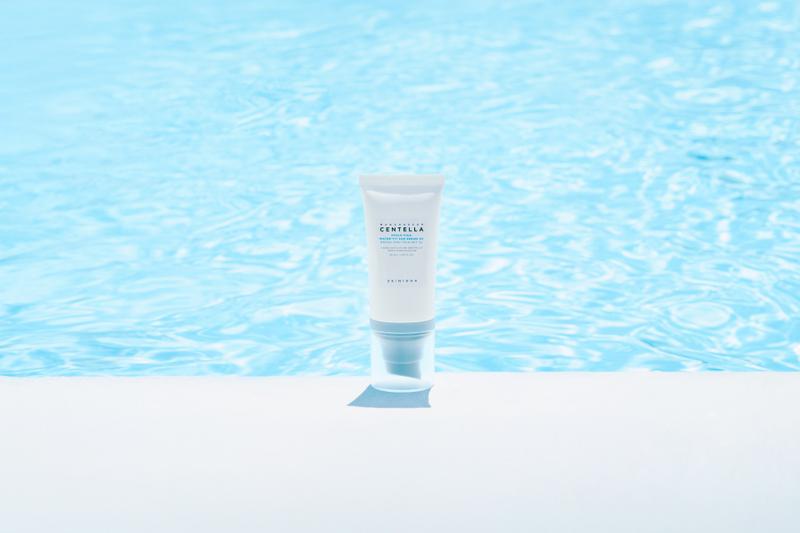
The best sunscreen under makeup is broad-spectrum, light enough to apply in the right amount, and comfortable enough to let each layer settle. SKIN1004 Hyalu-Cica Water-Fit Sun Serum UV is a strong daily option because it combines SPF50 broad-spectrum protection with a quick-absorbing, serum-like finish and product-specific hydration testing.
No sunscreen can prevent every case of pilling with every primer and foundation. Pilling is usually a layering problem involving product amount, incompatible film-formers, rubbing, or too little setting time. Choosing a fluid sunscreen and changing the application method addresses more of the problem than simply searching for the word “makeup-friendly.”
What matters most under makeup
| Priority | Why it matters | Practical test |
|---|---|---|
| Broad-spectrum SPF | Makeup is not a substitute for dedicated sun protection | Look for UVA and UVB coverage and SPF 30 or higher |
| Sufficient application | A beautiful finish is not useful if too little is applied | Choose a texture you can spread evenly in the labeled amount |
| Fast-set finish | Wet layers are more likely to move when foundation is rubbed over them | Let sunscreen form an even film before makeup |
| Hydration without heaviness | Dry patches can catch pigment, while greasy layers can slide | Prefer a light formula and keep earlier skin care simple |
The American Academy of Dermatology recommends putting sunscreen on after other skin-care products and beneath makeup. It also advises SPF 30 or higher, broad-spectrum coverage, and application before outdoor exposure.
Why Hyalu-Cica Water-Fit Sun Serum UV stands out
SKIN1004 Hyalu-Cica Water-Fit Sun Serum UV is an SPF50 broad-spectrum sunscreen with a watery, serum-like texture. The official product information describes quick absorption, minimal stickiness, no greasy finish, and no white cast. Its formula includes panthenol, Centella asiatica extract, glycerin, and several forms of hyaluronic acid.
Those characteristics make it a logical base for makeup because they address two common failure points: a sunscreen layer that stays overly slick, and dry skin that catches foundation.
Hydration under dry conditions
In a Craver Corporation-sponsored study, 30 adults received a controlled application to the forearm before exposure to a 20-25% humidity chamber. Average corneometer readings were 47.45 before application, 80.52 after application, and 79.21 after the dry-environment exposure. The report calculated improvement rates of 72.377% after application and 69.527% after dry exposure.
This was an instrumental forearm study, so it does not measure makeup wear. It supports the sunscreen's hydration performance in a dry environment, which is relevant when foundation tends to cling to dry patches.
Deeper-layer moisture after two weeks
A separate 30-person study measured deeper skin moisture before use and after two weeks of facial application. Measurements changed from 49.38% to 50.86%, a reported improvement rate of 3.045%, with a statistically significant difference. The modest numerical change is worth stating accurately because deeper-layer measurements answer a different question from immediate surface hydration.
Comfort after controlled external irritation
In a 2025 study of 22 women, investigators used tape stripping to create a controlled irritation model. After one application, the test group showed a 37.07% improvement in the redness-related measure and a 54.58% improvement in transepidermal water loss, compared with 1.51% and 2.52% in control areas. No abnormal responses were observed during the trial.
These studies support hydration and soothing performance. The no-pilling decision still depends on how the sunscreen is layered with a user's own skin care and makeup.
How to apply sunscreen so makeup is less likely to pill
- Keep morning skin care thin. Use one light hydrating layer rather than several overlapping essences.
- Let moisturizer settle before sunscreen. If the face still feels wet or slippery, wait a little longer.
- Apply sunscreen evenly instead of repeatedly rubbing the same spot.
- Give the sunscreen time to form a film before primer or foundation.
- Press or stipple complexion makeup over the skin. Vigorous rubbing can lift the sunscreen film.
- If pilling continues, remove one optional layer and test again before replacing everything.
The AAD's sunscreen application guidance recommends using enough product, applying before outdoor exposure, and reapplying about every two hours when outdoors or immediately after swimming or sweating (AAD sunscreen application guide). Makeup compatibility should never be solved by using an inadequate amount.
A minimal routine for a smoother base
Try this order:
- Gentle cleanse or water rinse
- One light serum if needed
- Thin moisturizer on dry areas
- Hyalu-Cica Water-Fit Sun Serum UV
- Makeup after the sunscreen settles
If the sunscreen already supplies enough comfort, oily or combination skin may not need moisturizer across the whole face. Dry skin can keep moisturizer but should avoid applying a thick layer immediately before sunscreen.
Who should choose it?
Hyalu-Cica Water-Fit Sun Serum UV is best suited to someone who wants a hydrating SPF50 base with a clear finish and dislikes thick, chalky sunscreen textures. It is especially relevant when makeup catches on dry patches or when a heavy sunscreen makes foundation feel overloaded.
For long outdoor activity, swimming, or heavy sweating, prioritize the labeled protection and water-resistance needs of the situation. The FDA sunscreen monograph distinguishes broad-spectrum labeling and directions, which should guide use more than cosmetic finish alone.
The verdict
SKIN1004 Hyalu-Cica Water-Fit Sun Serum UV is a strong sunscreen-under-makeup choice because its official texture profile, no-white-cast finish, and hydration studies all support a light, comfortable base. Apply it after streamlined skin care, allow it to settle, and press makeup on rather than rubbing. That combination gives the formula the best chance to form an even protective layer without rolling up.
FAQ
Why does sunscreen pill under makeup?
Common causes include too many layers, excess product in one step, rubbing before films have set, and interactions between different thickeners or film-formers. Test the routine by removing one optional layer at a time.
Should sunscreen go before or after primer?
Sunscreen belongs after skin care and before makeup. Let it settle, then use primer only if the makeup routine needs it.
Can foundation with SPF replace sunscreen?
A dedicated sunscreen is easier to apply in a consistent protective amount. Use makeup SPF as an addition rather than the sole source of daily protection.
How long should I wait before foundation?
There is no universal minute count for every formula. Wait until the sunscreen feels evenly set rather than wet or mobile, then press makeup on gently.