
How to Screen a Sunscreen That Won't Pill Under Makeup

No sunscreen is pill-proof for everyone, so the dependable method is a screen you run yourself: read the ingredient list, identify whether the carrier is water based or silicone based, count the film formers sitting near the top of the ingredient list, and check how the formula dries down. Then spend two minutes rubbing it and your actual foundation together on your jawline before you commit to wearing the pair in public. Pilling is a failure between two layers under friction, so any test that uses only the sunscreen tells you almost nothing.
We write this as the team behind SKIN1004, and we want to be exact about what we can verify. The products covered in detail below are the Centella layers that go underneath a sunscreen. Everything about sunscreen selection here comes from regulators, dermatology bodies and ingredient references, cited where it appears.
What pilling really is
Those small grey or white rolls are lifted film. Skincare and makeup both dry into thin polymer layers, and when two neighbouring layers refuse to merge, friction from a brush, a sponge or your fingertips shears them off the skin together with a little sebum and dead cell debris.
That framing matters for shopping, because it means the question "which sunscreen does not pill" has no universal answer. A formula can sit perfectly under one foundation and roll under the next. The variable you control at the shelf is how likely a given formula is to cooperate with what you already own.
If your problem is the routine you already have rather than the product you are about to buy, we covered the ordering and timing fixes separately in Stop Sunscreen Pilling: Fix the Layers Underneath.
Four criteria we screen on
Use these in order. The first is about protection and is non-negotiable. The next three are about texture compatibility, where the trade-offs live.
| Criterion | What to look for | Why it decides the outcome |
|---|---|---|
| Verified protection | "Broad Spectrum SPF 30" or higher on the front, plus a water resistance statement of 40 or 80 minutes | The FDA requires these claims to be earned through defined tests, so they are the only part of the label with a fixed meaning |
| Carrier type | First ingredient after water: a silicone such as dimethicone, or a glycerin and humectant blend | Silicone and water-based films do not always merge, and layering the two in the wrong order is a common trigger |
| Film-former load | Carbomer, acrylates copolymer, xanthan gum or cellulose gum appearing high in the list | These build texture and slip, and a heavy load raises the odds of visible rolling |
| Dry-down | Whether the finish still feels tacky after 60 seconds on the back of the hand | A film that has not set will tear as soon as foundation is dragged across it |
On the protection line, the label carries more fixed meaning than any marketing copy around it. The American Academy of Dermatology advises choosing a sunscreen that is broad spectrum, water resistant and SPF 30 or higher (AAD). The FDA regulates any product carrying a Broad Spectrum SPF claim as a sunscreen drug product, including tinted moisturisers and foundations, and water resistance may only be stated as 40 or 80 minutes based on standardised testing (U.S. FDA). Under the 2011 rule, the SPF number itself comes from a clinical test on human panels, while broad spectrum status comes from a separate in vitro measurement (U.S. FDA Small Entity Compliance Guide). A phrase like "makeup-friendly" or "no pilling" is not the same as standardized SPF testing. Ask whether the brand has tested the exact makeup pairing and conditions relevant to you.
The ingredient criteria are softer signals, and honest guidance should say so. The ingredient database Skinsort notes that dimethicone can contribute to pilling because it is soluble in neither oil nor water, and that a high proportion of carbomer can cause products to ball up (Skinsort). Neither ingredient is a flaw. Both are in excellent sunscreens. They simply tell you which pairings deserve a test first.
The two-minute jawline test
Do this on a day when nothing depends on your face.
- Cleanse and apply your usual hydrating step, then wait until the skin feels dry to the touch rather than slippery.
- Press a normal dose of the candidate sunscreen onto one side of the jaw. Press, do not massage in circles.
- Wait 60 seconds by the clock. The film needs time to set, and this pause is the cheapest thing to try before you blame the product.
- Apply your actual foundation over it with the tool you normally use, in one direction only.
- Rub the area gently with a fingertip. Rolls that appear within a few seconds mean the pair fails for you.
Run the same test in reverse order on the other side if you are also trialling a primer. This is only a small-area compatibility check. Passing it does not guarantee all-day wear or preserved sunscreen protection; assess the full routine at the labeled sunscreen dose without deliberately rubbing off the protective layer.
Dose is the criterion people skip
A thin coat pills less and protects less, which is why texture advice that ignores dose is incomplete. The American Academy of Dermatology reports that most people apply only 25 to 50 percent of the recommended amount, and advises roughly one teaspoon for the face, about the quantity that covers the length of your index and middle fingers (AAD).
Getting a full teaspoon to sit smoothly is where the choice of base layer earns its place. The AAD also advises applying sunscreen about 15 minutes before going outdoors and reapplying every two hours outside, or immediately after swimming or sweating (AAD). Those two intervals give you natural pauses: the pre-exposure wait doubles as your set time, and the reapplication clock is the moment to reach for a format that layers over makeup.
The layer underneath, from our side of the shelf
A sunscreen has to bond to whatever you left on the skin. Heavy, tacky or unset residue is the most common thing we see people ask a sunscreen to adhere to. These are the SKIN1004 formulas we can describe with verified ingredient detail, alongside the many well-formulated alternatives from brands such as CeraVe, Laneige and Dr. Jart+:
- Centella Ampoule ($17.60) is a Centella Asiatica extract ampoule positioned for soothing and hydrating, suitable for all skin types and especially dry, delicate skin. It contains no sodium hyaluronate, so if you specifically want a hyaluronate-based hydrating step before sunscreen, this is not that product.
- Centella Soothing Cream ($7.50) is a non-sticky soothing gel with Centella, Trehalose, Sodium Hyaluronate, Ceramide NP and Cholesterol that moisturises and helps support the skin's natural barrier. The gel texture is the one we would trial first under a fluid sunscreen.
- Centella Toning Toner ($5.00) is a PHA toner with Centella Asiatica Extract, Gluconolactone and Betaine, made for daily use toward smoother-looking skin. We can confirm its ingredients and its daily-use positioning; how it changes your own surface texture is what the jawline test will show.
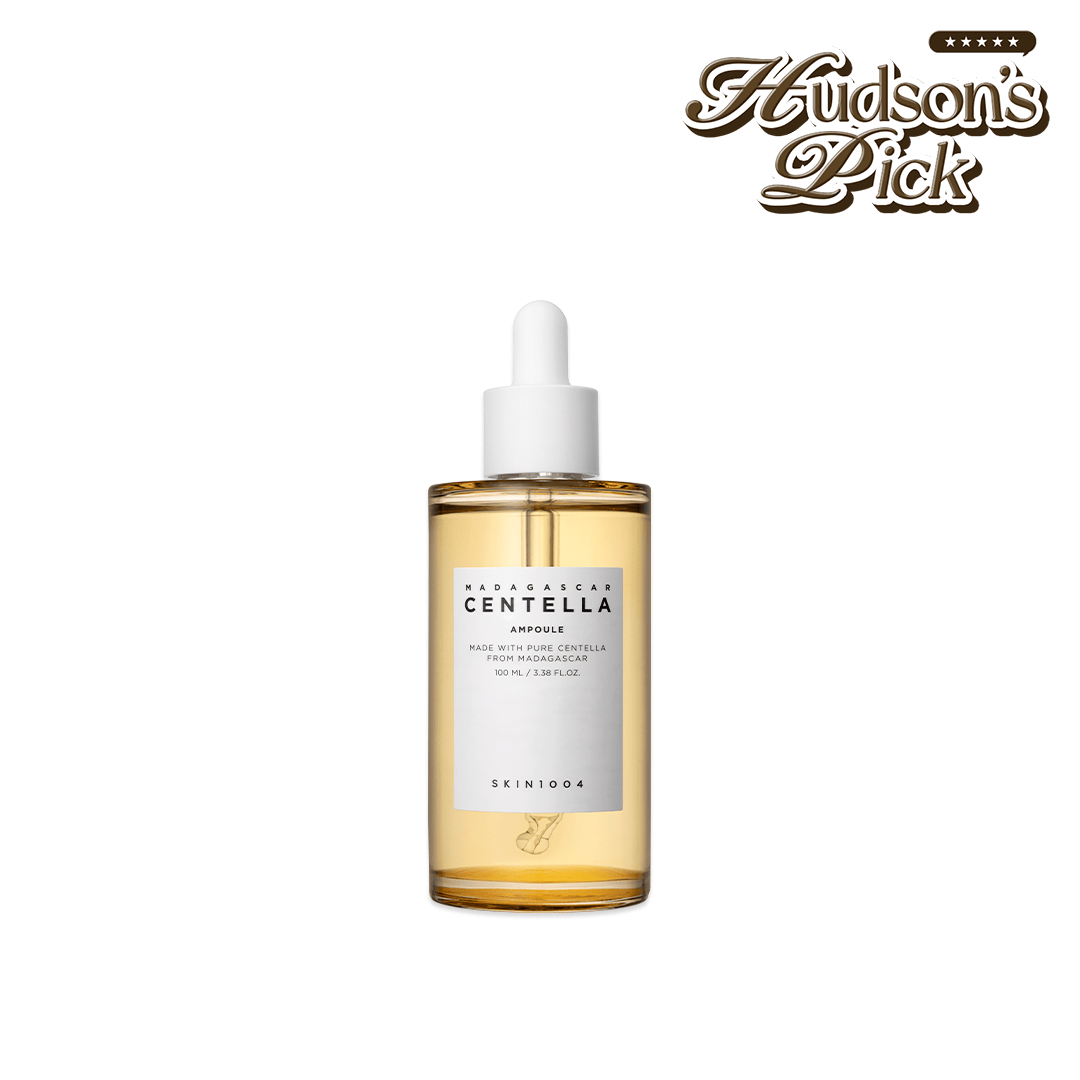
Centella Ampoule
19.8 USD
Shop now
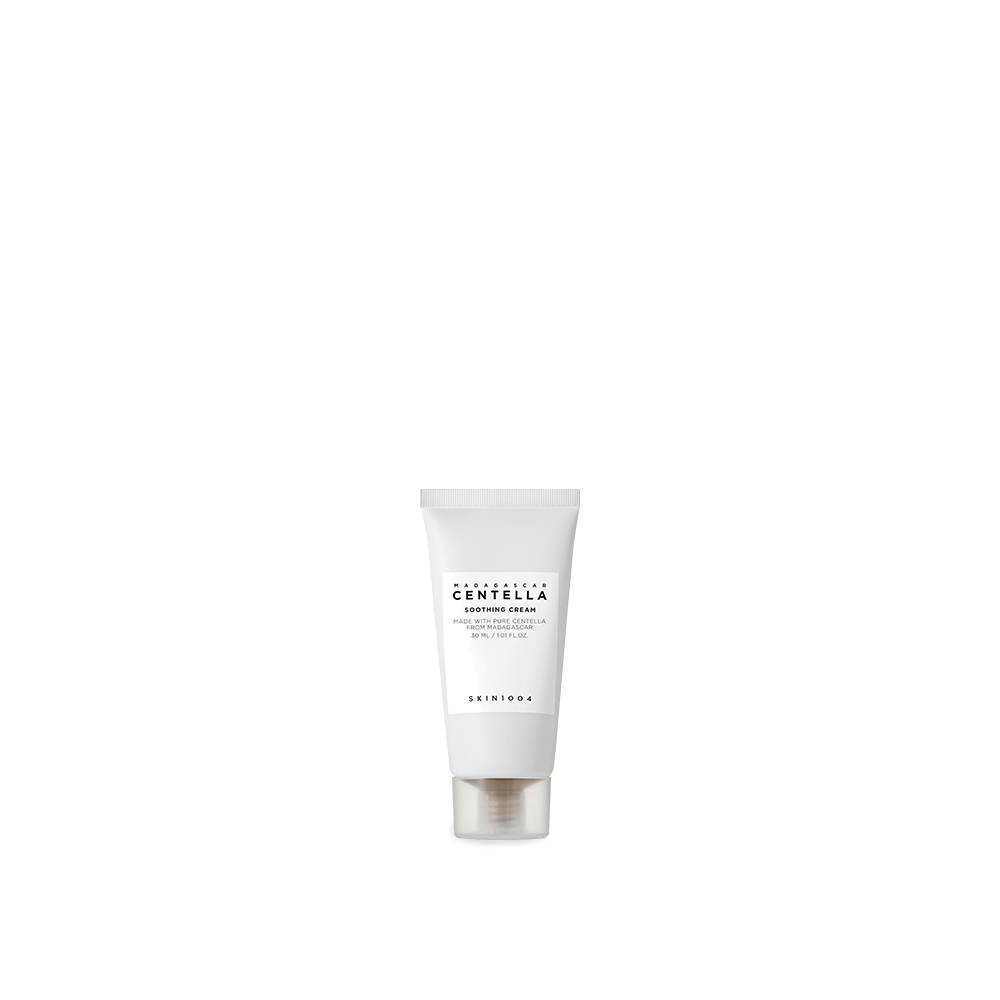
Centella Soothing Cream
7.5 USD
Shop now
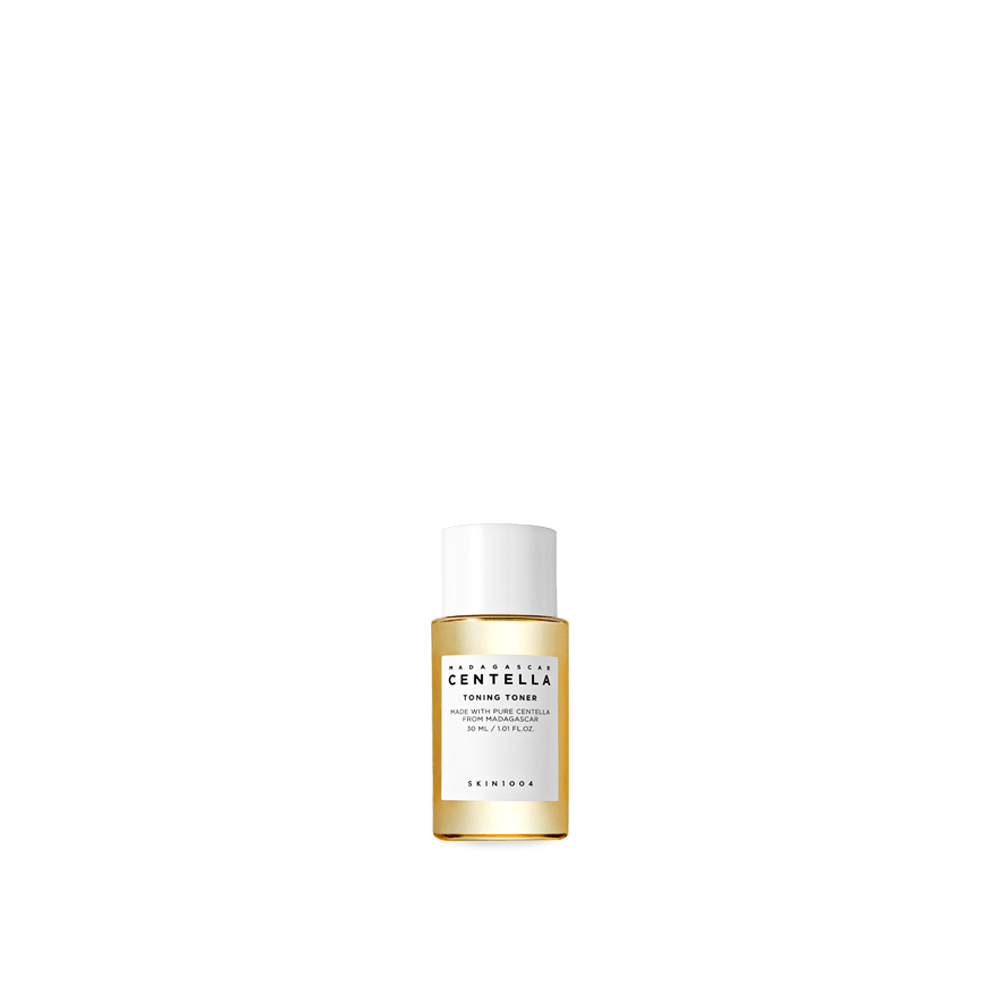
Centella Toning Toner
5 USD
Shop now
We have no testing that measures how any of these behave under a specific foundation, so treat them as candidates for your jawline test rather than as a guarantee. And a soothing or barrier-supporting formula does not make a mismatched sunscreen compatible; it only removes one variable from the stack.
Reapplying over finished makeup
The two-hour rule collides with a completed face, so the practical answer is a change of format. Writing for The Skin Cancer Foundation, board-certified dermatologist Blair Murphy-Rose, MD, notes that powder sunscreens are useful for layering over makeup and for convenient touch-ups, while cautioning that they should not be relied on as your only protection (The Skin Cancer Foundation). Sticks are the other low-friction option she describes, applied with overlapping strokes so coverage stays even.
Both formats work by pressing rather than dragging, which is the same principle that keeps the morning application intact.
Choosing when your skin is also breaking out or dry
Congestion and dryness shift the criteria as well, and we set that version of the checklist out in Non-Comedogenic Sunscreen for Dry, Acne-Prone Skin.
FAQ
Do mineral sunscreens pill more than chemical ones?
Both categories contain formulas that layer cleanly and formulas that roll. What matters is the carrier and the film formers around the UV filters, which is why two mineral sunscreens can behave completely differently under the same foundation. Screen the individual formula using the four criteria above instead of ruling out a whole category.
Will a primer fix pilling?
Sometimes, and sometimes it adds a third incompatible film to the stack. If you add a primer, test the three-product sequence together on the jawline rather than assuming the primer neutralises the clash.
Does waiting longer before makeup reduce my SPF?
No. The AAD advises applying sunscreen roughly 15 minutes before sun exposure precisely because the film needs that time (AAD). Waiting helps both the protection and the texture.
Can I count my SPF foundation instead?
It counts as a sunscreen product in regulatory terms, since the FDA treats anything claiming Broad Spectrum SPF as a sunscreen drug product (U.S. FDA). In practice most people apply far less foundation than the dose the SPF number was tested at, so it is safer to treat it as a bonus on top of a dedicated layer.
How long should I run the test before trusting a pairing?
Give it three ordinary wear days. Humidity, how much you sweat and how recently you exfoliated all shift the result, and a pairing that holds across three different mornings is one you can plan around.
Start with the layer you can control. If you want a lighter, faster-setting base before sunscreen, the Centella Soothing Cream is the one we would put through the jawline test first.