
Gentle Hydrating Serum for Heat-Flushed, Tight Cheeks

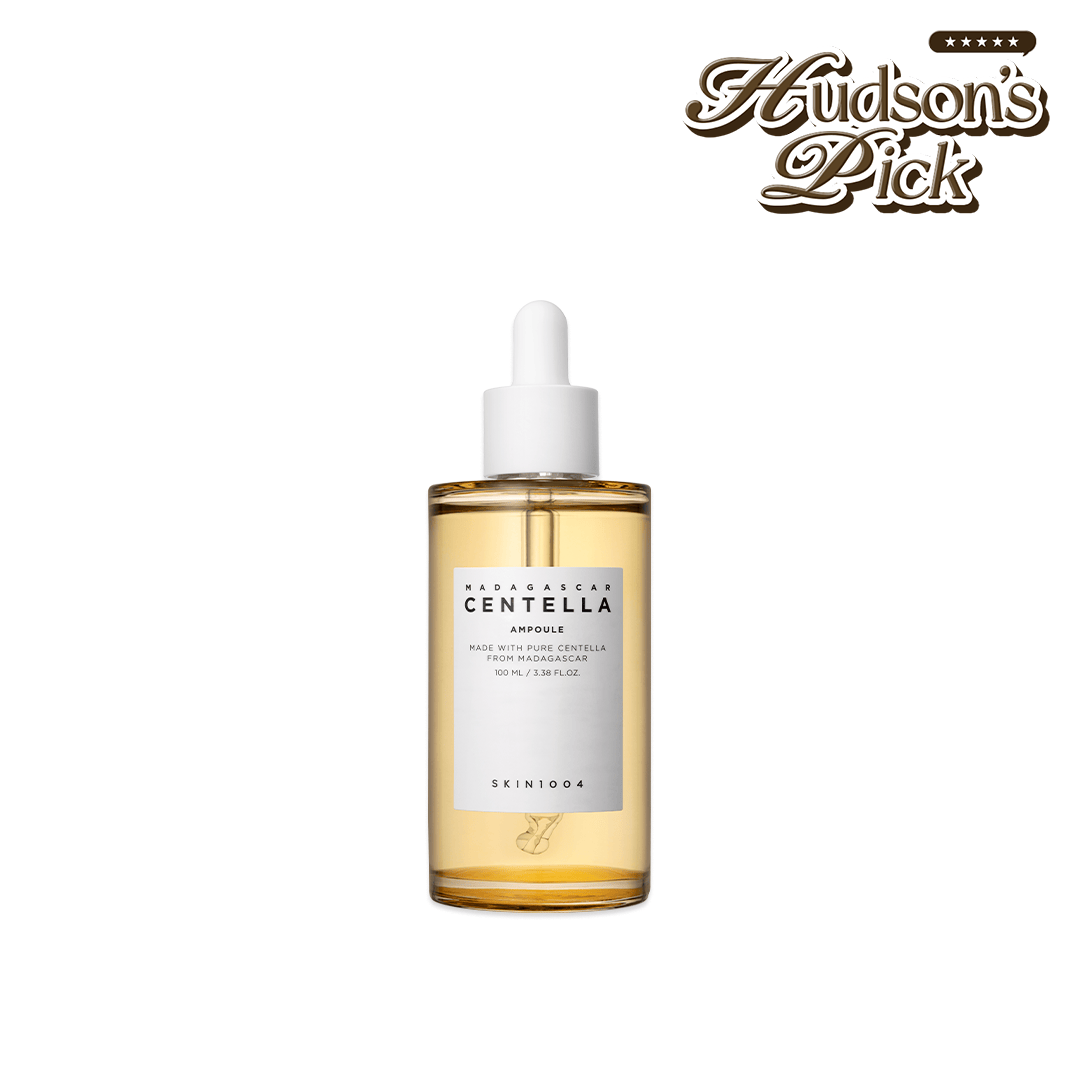
Heat makes the small blood vessels in the face widen, so a heated room can turn cheeks pink within minutes, while the dry air in that same room keeps drawing water out of the skin and leaves it feeling tight once you step outside. For that pairing, choose a lightweight, fragrance-free hydrating serum led by humectants and calming botanicals, then seal it with a cream containing ceramides so the water you add has somewhere to stay. In our own range that means the Centella Ampoule first and the Centella Soothing Cream over it.
A hush settles over the Madagascar plains at dusk, and the air cools without ever feeling harsh. Most of us spend our winters somewhere far less forgiving: an office with the heating at full tilt, a café with a radiator under the window, a flight cabin drier than any room at home. Skin reads those rooms as two separate events happening at once, and the serum you reach for afterward should answer both.
Why warm rooms redden the face so quickly
The redness arrives first because it is a circulatory response. Blood vessel walls contain muscle that can widen or narrow, and when the vessels near the surface widen, the skin flushes. As DermNet NZ explains, this vasodilation is an ordinary cooling mechanism in warm conditions or during exercise, but in people with rosacea it happens more readily and more often in response to triggers including warm weather and sunlight.
Sensitivity to heat is measurable. Research funded by the National Rosacea Society found that people with rosacea produce greater nerve, blood flow and sweating responses than people without the disorder when exposed to increased heat or stress, with the sympathetic nervous system playing a role.
You do not need a rosacea diagnosis for any of this to apply. Moving from cold outdoor air into a heated shop or office is a classic flushing trigger for reactive skin in general, which is why the cheeks and nose light up in the first few minutes indoors and settle again on the walk home.
Dry indoor air works on a slower clock
Flushing fades. The tight, papery feeling that arrives an hour later comes from the moisture content of the room rather than its temperature.
Goad and Gawkrodger, reviewing the evidence in the Journal of the European Academy of Dermatology and Venereology in 2016, describe human studies in which low ambient humidity was associated with altered water content in the stratum corneum, reduced skin elasticity and increased roughness, alongside epidemiological signals linking low indoor humidity to eczema. Heating and air conditioning both strip humidity out of a room, so the effect is not seasonal in any simple sense.
Facial skin also responds to the heat itself over a few hours. In a randomized split-face study of healthy women exposed to a heated indoor environment for at least six hours a day during a Korean winter, skin temperature, roughness and redness rose significantly on the face, and applying a ceramide-containing cream to one side improved elasticity and texture compared with the untreated side. That study used a cream rather than a serum, so read it as evidence for finishing your routine with an occlusive step, not as a verdict on any particular product.
Five things to look for in the serum itself
Two problems, one product category. Five criteria settle the choice.
Humectants doing the hydrating. Glycerin, sodium hyaluronate, panthenol and trehalose all bind water into the upper layers. A serum whose hydration comes mostly from alcohol-thin solvents will feel refreshing on a flushed face and leave nothing behind.
A calming botanical with real literature. Centella asiatica is the one we build on. Witkowska and colleagues, in a 2024 review in Pharmaceutics, summarise how its triterpenoids asiaticoside and madecassoside modulate inflammation and provide antioxidant protection in the skin. The evidence base is mechanistic and preclinical in large part, which is why we describe centella as supporting comfort rather than treating redness.
Fragrance-free, low-irritant formulation. The American Academy of Dermatology advises choosing skin care that avoids known irritants and suggests testing a new product on a coin-sized patch of skin daily for seven to ten days before committing to it on the face. For skin that flushes easily, that patch test is worth the wait.
A mildly acidic finish across the routine. Our Centella Ampoule Foam is pH-balanced at 5.5 ± 0.5 and uses coconut-derived surfactants with citric acid, formulated to cleanse without leaving skin feeling dry or tight. Our Centella Ampoule itself sits in a pH range of 5.5 to 7.5. Cleanser pH matters more than serum pH here, because the cleanse is where tightness usually begins.
Something you can layer under a cream. A watery serum that pills under an occlusive is a serum you will stop using in January.
The routine we would build around it
Four steps, none of them long. The serum is the second.
Cleanse gently at the basin with lukewarm water. The AAD recommends applying a mild cleanser with the fingertips in a circular motion, rinsing thoroughly, and patting dry with a clean cotton towel rather than rubbing. Our Centella Ampoule Foam is the version of that step we make: a pH-balanced foam whose key ingredients are Centella Asiatica extract, citric acid and sodium hyaluronate.
Then the hydrating serum. Our Centella Ampoule is an all-rounder built around high quality Madagascan Centella Asiatica extract, formulated to help soothe visible redness and comfort sensitive-looking skin, and suitable for all skin types with dry and delicate skin particularly in mind. It contains no sodium hyaluronate, so if hyaluronic acid specifically is what you are shopping for, that is a reason to look at a different product in the range rather than a reason to expect it here.
Seal it. Our Centella Soothing Cream is a non-sticky gel with Centella Asiatica extract, trehalose, sodium hyaluronate, Ceramide NP and cholesterol, which moisturizes and helps support the skin's natural barrier. In a heated room, the ceramide and cholesterol step is the one that keeps the serum working after the first hour.
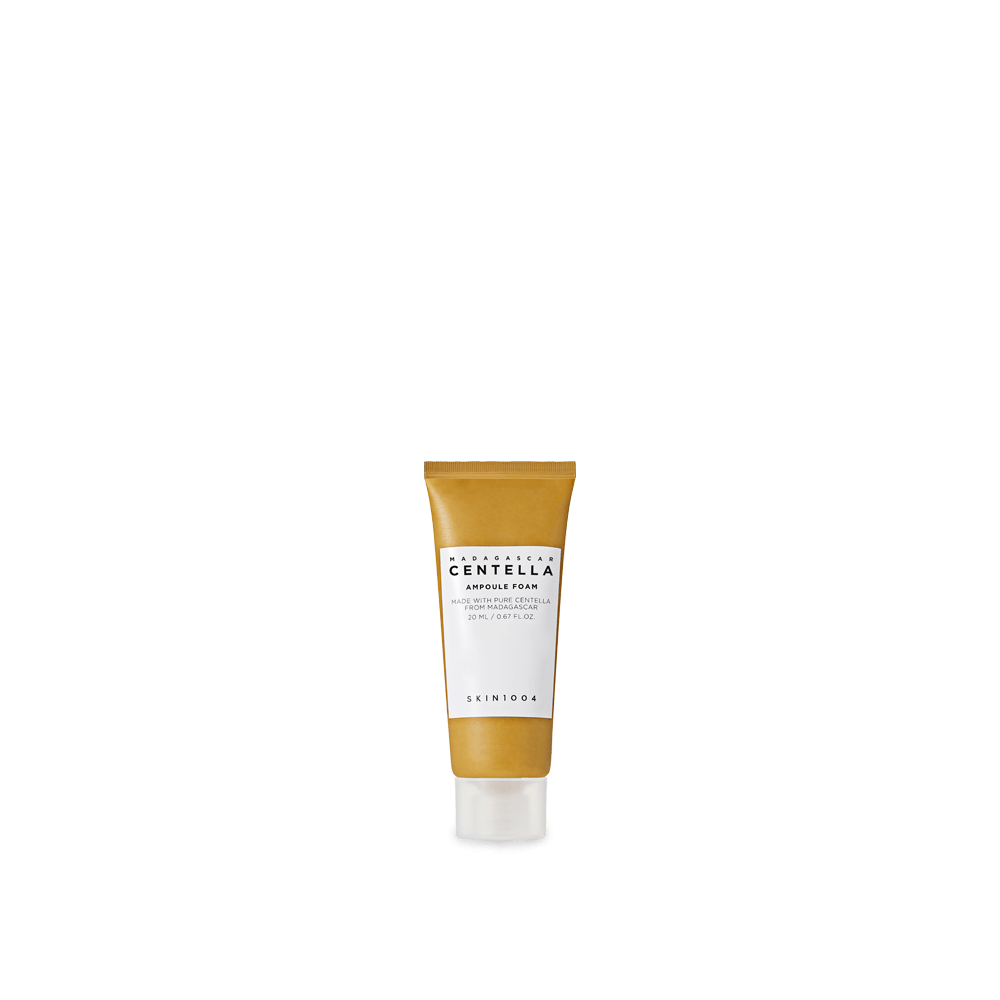
Centella Ampoule Foam
4 USD
Shop now
Centella Ampoule
19.8 USD
Shop now
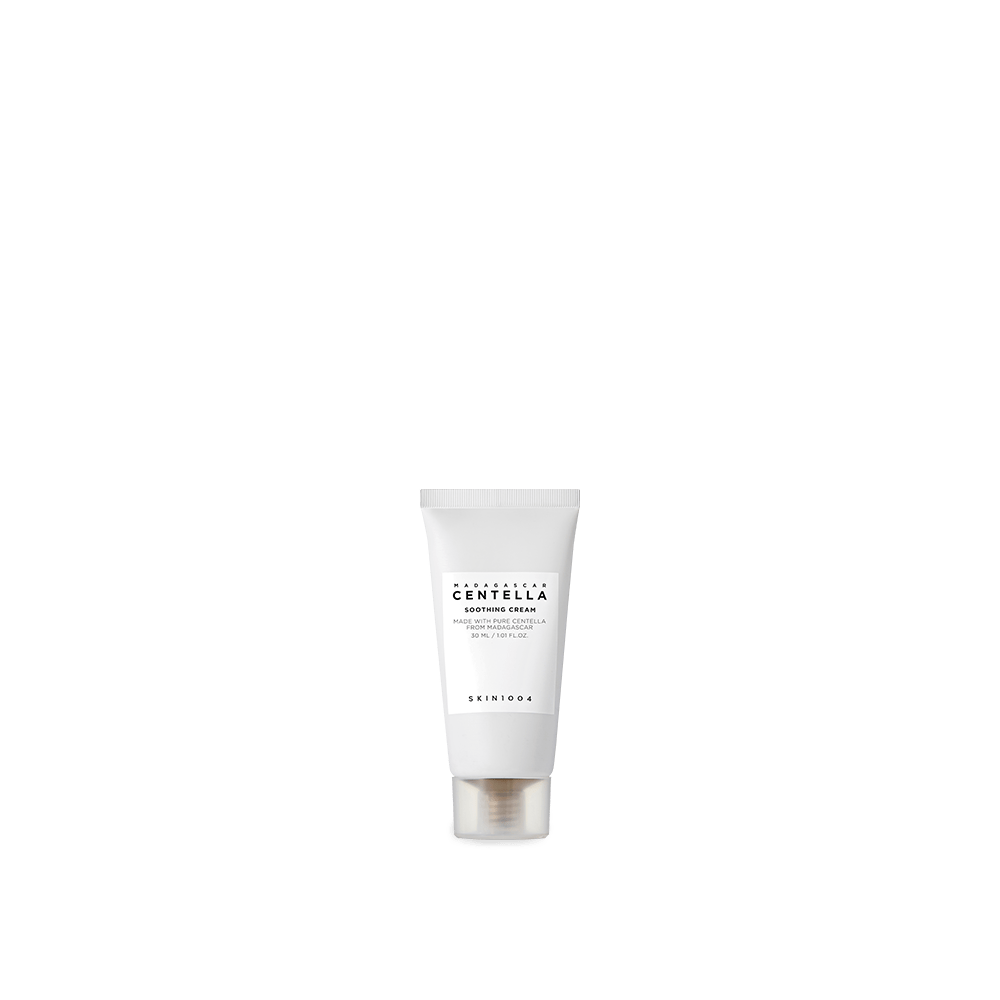
Centella Soothing Cream
7.5 USD
Shop now
Finish with sunscreen in the morning. The AAD asks for broad-spectrum, water-resistant SPF 30 or higher every day of the year on skin that reddens easily, and suggests looking for zinc oxide, titanium dioxide, or both.
One timing detail is easy to miss and costs nothing: the AAD notes that applying moisturizer once the face has dried makes stinging less likely. On a flushed face straight out of a warm shower, waiting a minute changes the experience of the whole routine.
Habits that carry as much weight as the product
Keep the water lukewarm. Hot water raises skin temperature at exactly the moment you are trying to bring it down.
Skip the scrub during a flushing stretch. The AAD is explicit that rubbing, washcloths, facial sponges and exfoliators can make reactive redness worse, and our Centella Toning Toner, a PHA exfoliating toner, belongs in the calm weeks rather than the raw ones.
Raise the humidity if you can control the room. Low indoor humidity is the variable behind the tightness, and a humidifier addresses it at the source in a way no serum can.
Keep a short trigger note for a fortnight. Warm rooms rarely act alone. Hot drinks, alcohol, spicy food and moving from cold air into a warm room all appear on DermNet NZ's trigger list, and two weeks of notes usually reveals which combination is yours.
Where a serum stops helping
A hydrating serum addresses water content and comfort. It does not narrow blood vessels, and nothing in a cosmetic routine will stop the vasodilation reflex that causes the flush itself.
If flushing has become persistent redness, if you can see fine blood vessels on the cheeks, or if papules and pustules have appeared, that is a conversation for a board-certified dermatologist. Prescription options exist for the vascular and inflammatory components, and the AAD notes that a gentle moisturizer used alongside treatment improves how that treatment feels and performs. Our reading of the evidence puts a good serum in a supporting role, and it is a genuinely useful one.
For adjacent situations, we have written separately on calming serums for facial redness without breakouts and on choosing a lightweight serum for dehydrated skin.
FAQ
Should I put something cold on my face when it flushes?
Cooling the skin is a reasonable comfort measure and lowering skin temperature addresses the trigger directly. Keep it brief and gentle. Avoid ice held against the cheek and avoid rubbing the area afterward, since the AAD warns that friction worsens reactive redness.
Can I use a hydrating serum if my skin also gets oily in warm rooms?
Yes. Oiliness and a tight, dehydrated surface regularly occur together, and the split-face winter study reported that facial sebum appeared to help maintain skin homeostasis during heated indoor exposure while water loss rose significantly on the forearm. A light gel texture over a humectant serum suits that combination better than skipping moisturizer.
Does niacinamide help or trigger flushing?
Dose matters. DermNet NZ lists high-dose niacinamide among the drugs that can induce flushing, and that listing says nothing about the low concentrations common in leave-on moisturizers. If you are flush-prone, introduce it at a low percentage and patch test first.
How long before a serum makes a difference to the tightness?
Hydration effects can be measured quickly. Milani and Sparavigna assessed a fluid containing hyaluronic acid, glycerin and Centella asiatica extract for hydration and barrier function up to 24 hours after a single application, reported in Clinical, Cosmetic and Investigational Dermatology in 2017. Surface comfort responds within a day or two. Roughness and elasticity, as the winter indoor study measured them, take weeks of consistent use.
Is centella enough on its own for very reactive skin?
It works best as one part of a routine. Centella research to date is largely mechanistic and preclinical, and the Pharmaceutics review of topical centella builds its conclusions from laboratory and animal mechanisms alongside early clinical work. Treat it as one soothing element inside a gentle, well-sealed routine, alongside lukewarm cleansing, daily moisturizing and year-round sun protection.
Pause with the routine that suits the room you are actually in. Discover the Centella Ampoule and the Centella Soothing Cream to build it.