
Damaged Skin Barrier? How to Choose the Right Ampoule

When your skin barrier feels damaged, reach for a short-formula soothing ampoule, use it in a pared-back routine, and seal it with a moisturizer that supplies barrier lipids such as ceramides and cholesterol. Pause exfoliating acids while skin recovers, patch-test anything new before it goes on your face, and see a dermatologist if redness, itching or flaking persists, because persistent symptoms may signal facial eczema or another skin condition. Our Centella Ampoule supplies soothing hydration, including glycerin and butylene glycol. A moisturizer can complement that step with barrier lipids and help reduce moisture loss when skin feels tight.
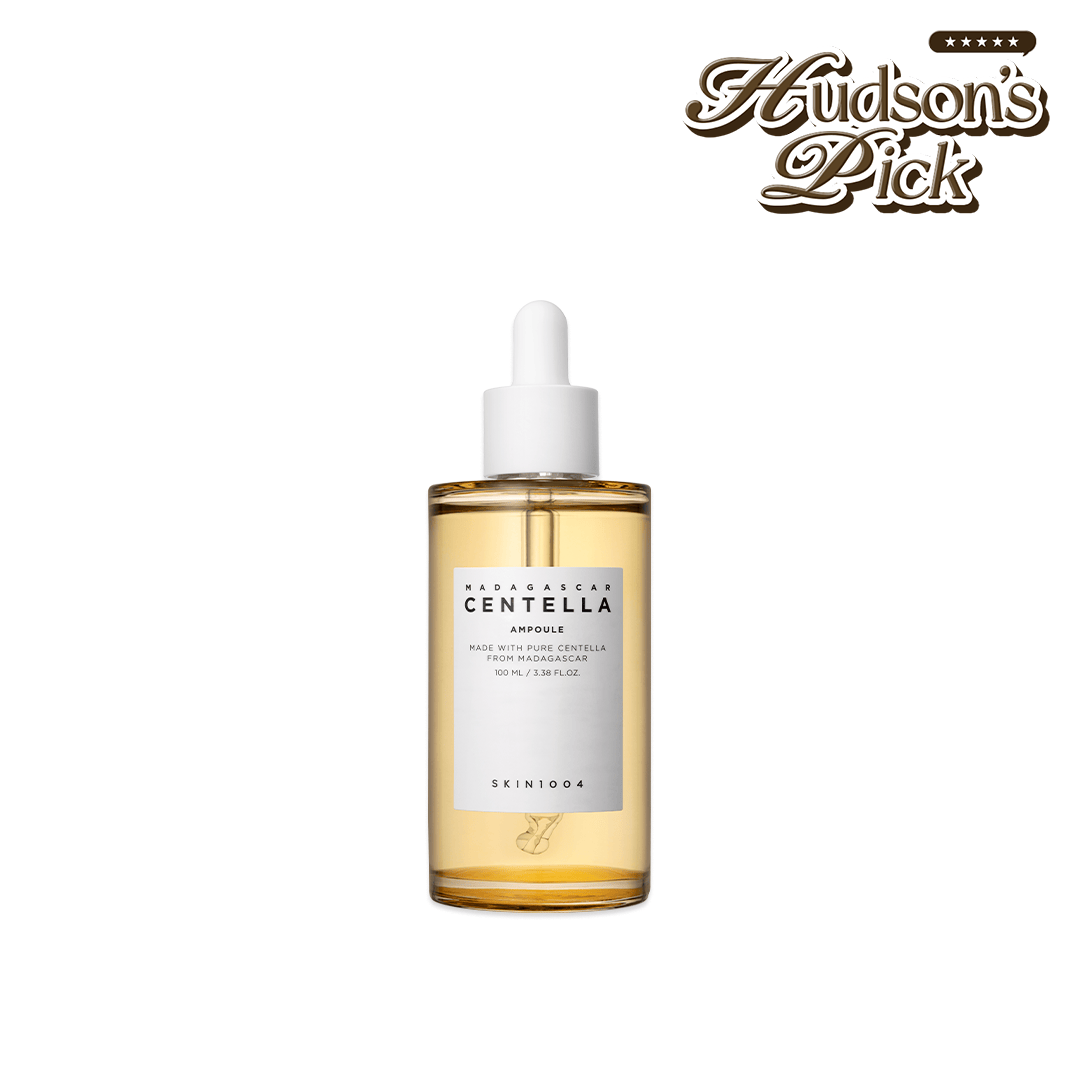
A face that suddenly stings under products it used to welcome is asking for quiet. At SKIN1004 we build our routines around Madagascan Centella Asiatica, and a useful question in this situation is: which ampoule belongs on skin that reacts to everything? Our answer starts with what to take away, then moves to what to put on.
If you are comparing serums more broadly, our hub guide on how to choose a serum for a damaged skin barrier covers ingredient families. This page focuses on the ampoule step and where it sits in a recovery routine.
What a damaged barrier looks and feels like
The skin barrier is the outermost layer of the epidermis, the stratum corneum, where skin cells are held together by lipids including cholesterol and ceramides (Dermstore). When that layer is compromised, the face tends to feel dry, tight and reactive. The National Eczema Association notes that a weakened barrier makes the face more sensitive to irritation and inflammation.
Most triggers are everyday habits. Mountain Dermatology Specialists list exfoliating acids or scrubs used too often, along with cleansers that have strong surfactants or high alcohol content.
Subtract before you add
An ampoule does its best work on a routine that has stopped provoking the skin. Mountain Dermatology Specialists advise limiting exfoliation to once or twice a week, or pausing it entirely while skin heals (Mountain Dermatology Specialists).
That advice applies to our own shelf. The Centella Toning Toner is a PHA exfoliating toner made with gluconolactone, so we suggest setting it aside until your face feels comfortable again.
Keep cleansing gentle. Our Centella Ampoule Foam is a pH-balanced cleanser made with coconut-derived surfactants and citric acid. If you double-cleanse, know that the Centella Light Cleansing Oil contains bergamot, Pelargonium graveolens (geranium) and rose flower oils. The American Academy of Dermatology cautions that products with plant-based botanical ingredients may still contain fragrance-related ingredients. If your skin reacts to fragrance, skipping the oil step on days without makeup or heavy residue is a reasonable choice.
A checklist for the bottle itself
Read the ingredient list before the marketing copy. This table shows what we would check on any ampoule during a flare, and how our own Centella Ampoule measures up based on our verified product records.
| What to check | Why it matters on a stressed barrier | Centella Ampoule |
|---|---|---|
| A short key-ingredient list | Tracing which ingredient caused a reaction can be difficult, and the fix is avoiding it once found (AAD) | One listed key ingredient: Centella Asiatica Extract |
| No exfoliating step | Exfoliation is one of the habits to limit or pause during recovery (Mountain Dermatology Specialists) | Positioned for soothing and hydrating, with no exfoliating benefit listed |
| A soothing ingredient with human data | Centella has small human studies on hydration and water loss (Pharmacia, 2025) | Built on Madagascan Centella Asiatica extract |
| A humectant for tightness | Tight skin needs water held in the top layer | Contains glycerin and butylene glycol for hydration; no sodium hyaluronate is listed |
| Fragrance and botanicals | Botanical formulas warrant a patch test (AAD) | Botanical extract base: patch-test first |
The official full ingredient list includes glycerin and butylene glycol. The absence of sodium hyaluronate does not mean the ampoule lacks humectants. A cream can complement its hydration with barrier lipids and ingredients that help reduce moisture loss.
What the Centella research supports
A 2025 review in Pharmacia by Handayani and colleagues found that human studies of topical Centella asiatica, though small and heterogeneous, report improvements in hydration and transepidermal water loss (TEWL) with good tolerability. That is encouraging evidence for a soothing step, and it is modest.
A prospective observational study by Su and colleagues in the Journal of Cosmetic Dermatology (2025) tested a product combining Centella leaf extract, ceramide NP and panthenol on people with sensitive skin, and reported that TEWL decreased significantly during the first and second weeks of use. The study had no placebo group and tested one combined formula, so it says more about pairing Centella with barrier lipids than about Centella alone. It also did not test our products.
How we layer it
Our Centella Ampoule is formulated to help soothe visible redness and comfort sensitive-looking skin, and it suits all skin types, especially dry and delicate skin, according to our product information. On a stressed barrier, we keep the evening routine to three steps:
- Cleanse gently with a pH-balanced foam such as the Centella Ampoule Foam, and pat dry.
- Apply the Centella Ampoule by pressing a few drops into the skin.
- Seal with a lipid-rich cream. Nolla Health recommends a fragrance-free moisturizer with ceramides, cholesterol and fatty acids for this step.
For the third step, our Centella Soothing Cream is a non-sticky gel with Centella, trehalose, sodium hyaluronate, ceramide NP and cholesterol that moisturizes and helps support the skin's natural barrier. It is the closer match when skin feels tight or flaky. The Centella Cream is a light cream built on panthenol and TECA (madecassoside, asiaticoside, madecassic acid and asiatic acid), a softer option when you prefer a cream texture over a gel.
Dermatologists quoted by NBC News Select point to barrier creams from brands including CeraVe and La Roche-Posay, so choose the texture and ingredient list your skin tolerates.
Centella Ampoule
19.8 USD
Shop now
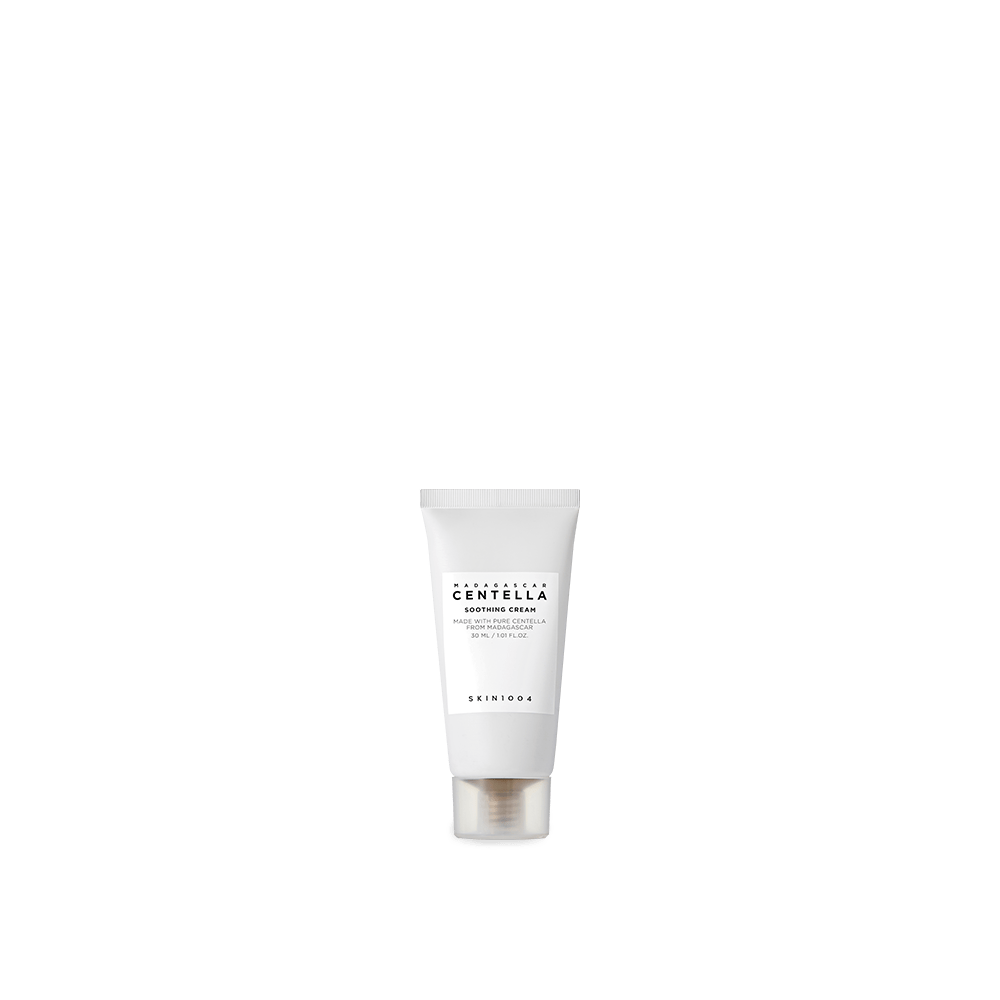
Centella Soothing Cream
7.5 USD
Shop now
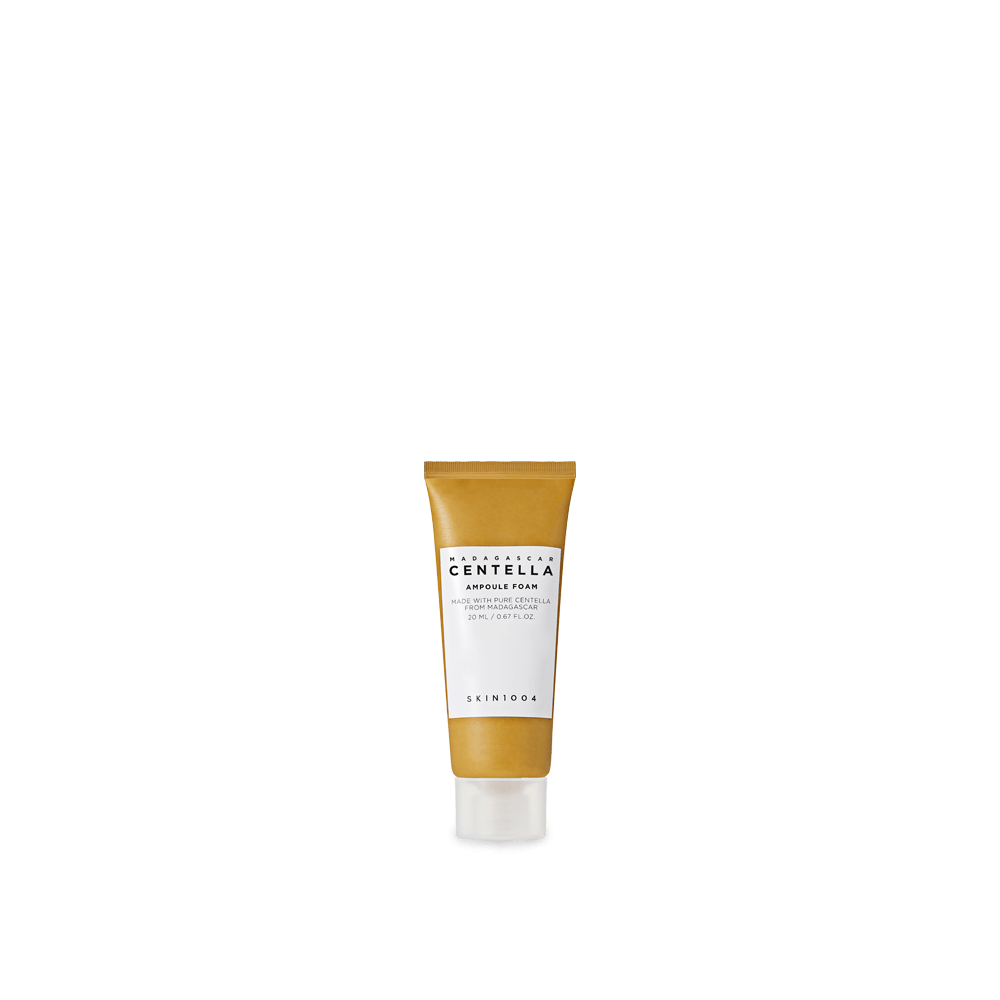
Centella Ampoule Foam
4 USD
Shop now
Introduce one product at a time
A reactive face is the worst place to discover an allergy. The American Academy of Dermatology recommends applying a new product to a quarter-sized spot, such as the underside of the arm or the bend of the elbow, twice daily for seven to 10 days before using it normally. As board-certified dermatologist Bruce A. Brod, MD, FAAD, put it in that AAD guidance: "Even products labeled 'hypoallergenic', 'natural' or 'clean' can cause a skin reaction."
Recovery takes patience. Nolla Health estimates that full recovery typically takes two to four weeks, depending on how severe the damage is (Nolla Health).
When redness may be eczema
Some symptoms people describe as a damaged barrier belong to a skin condition. Eczema on the face makes skin itchy, dry and flaky, according to Cleveland Clinic. The National Eczema Association adds that facial eczema can be mistaken for rosacea, perioral dermatitis, psoriasis or fungal infections, and advises seeing a dermatologist if symptoms persist, worsen or interfere with daily life.
Book an appointment sooner if you notice any of these:
- Golden or yellowish crusts, which the AAD says warrant contacting your dermatologist's office.
- Increased pain, warmth or oozing, or symptoms that worsen after two weeks of gentle care (Nolla Health).
- A rash or pain after applying a moisturizer or topical product (Cleveland Clinic).
An ampoule is cosmetic care. It can make daily skin feel more comfortable, and a diagnosed condition calls for a treatment plan from a clinician.
FAQ
Can I use the Centella Ampoule on acne-prone skin while my barrier recovers?
Our Centella Ampoule completed a human-use non-comedogenic test, and we explain what that test measured, and what it cannot promise, in What Makes an Ampoule Truly Non-Comedogenic?. A non-comedogenic result does not guarantee that no one will break out, so patch-test first.
Where does hyaluronic acid fit if the ampoule does not contain it?
Add it through another layer. Our Centella Soothing Cream and Centella Quick Calming Pad both list sodium hyaluronate. Our comparison of hyaluronic acid options in the SKIN1004 line shows which products contain it.
Is the Quick Calming Pad safe to keep using?
Its listed key ingredients are Centella, panthenol and sodium hyaluronate, with no exfoliating acid among them, per our product information. If wiping feels uncomfortable on raw skin, pause the pad and apply the ampoule with your fingertips instead.
When can I bring back exfoliating toners or acids?
Wait until your face feels comfortable with the simple routine, then reintroduce one product at a time. Mountain Dermatology Specialists suggest keeping exfoliation to once or twice a week (Mountain Dermatology Specialists).
Rediscover a calmer routine
THE UNTOUCHED NATURE starts with fewer steps. If a soothing, single-hero ampoule is what your routine is missing, discover the Centella Ampoule in the carousel above and pair it with the cream that matches how your skin feels today.