
Best Sunscreen Under Makeup That Won't Pill: How to Choose

The sunscreen that works best under makeup is a broad-spectrum SPF 30 or higher in a light fluid, gel or serum texture, applied in a full dose and tested with your own foundation at the labeled sunscreen dose. Pilling usually comes from two films that don't bond, or from blending over a layer that hasn't set yet, so compatibility and timing matter more than any single "makeup-friendly" label. SPF in foundation adds a bonus layer on top of that sunscreen. It can't stand in for it.
Some mornings feel like a rush from the first alarm, and the face you see in the mirror is asked to be calm, protected and camera-ready all at once. We believe care starts gently, the way Centella grows in Madagascar's quiet light, and that includes the few minutes between sunscreen and foundation.
Below is how we would choose a sunscreen for the makeup step: what to read on the label, how much to use, how to lay foundation over it, and how to top up during the day. We make Centella skincare, so our own products appear only where they belong in this routine, in the prep and the evening cleanse.
What makes a sunscreen "makeup-ready"?
Start with the protection itself. The American Academy of Dermatology recommends a sunscreen with SPF 30 or higher, water resistance, and broad-spectrum (UVA and UVB) coverage. Every other feature is a comfort choice layered on top of that baseline.
Then look at compatibility. Dermatology practice APDerm explains that oil-in-water and water-in-oil formulas can repel each other when layered, and that film-forming ingredients and silicones make this worse. The same source notes that silicone-based foundations or powders applied over a sunscreen with similar ingredients can clump, and that "oil-free" sunscreens may still contain zinc oxide or silicones that interact with makeup.
In practice, a makeup-ready sunscreen meets four checks:
- Broad spectrum, SPF 30+: the non-negotiable protection floor.
- Compatibility with your foundation: ingredient lists offer clues, but water-versus-silicone labels do not reliably predict the behavior of two finished formulas. Check how the complete routine layers at the labeled dose.
- A thin, fast-setting texture: fluids, gels and serum-style sunscreens tend to leave less residue on the surface for a sponge or brush to disturb.
- A finish that suits your skin: dewy finishes can flatter dry skin, while oilier skin often prefers a more satin or matte finish under foundation.
Sunscreen formats compared for the makeup step
This table summarizes how each format tends to behave under foundation. It reflects the layering mechanics described above, and the right choice still depends on your own foundation and skin.
| Format | Typical feel | Under makeup | What to check |
|---|---|---|---|
| Fluid, gel or serum sunscreen | Thin, quick to set | Usually the easiest to layer | Compatibility with your foundation; enough product per application |
| Cream sunscreen | Richer, more emollient | Can work on dry skin; more likely to feel slippery | Let it set fully; press foundation instead of rubbing |
| Mineral (zinc oxide, titanium dioxide) | Can feel thicker or drier | Zinc oxide can interact with makeup layers | Check the actual pairing; blend gently |
| Stick sunscreen | Solid, waxy glide | Handy for top-ups; harder to judge the dose | Go over each area more than once so the layer is not too thin |
| SPF foundation or powder alone | Makeup texture | No pilling layer, but protection falls short | Treat as a bonus layer only (see below) |
How much sunscreen, and how long to wait?
Any fix for pilling should keep the full dose. For the face, the AAD advises at least 1 teaspoon, about the amount that covers the length of your index and middle fingers. It also advises applying sunscreen 15 minutes before going outdoors and reapplying every two hours outside, or after swimming or sweating.
That 15-minute window fits neatly into a makeup routine. Apply sunscreen first, spend the wait on hair or brows, then check with a fingertip. When the surface no longer feels tacky, the film is ready for foundation.
If a full teaspoon makes your base slide, change the formula before you cut the dose. A different texture or pairing may reduce slipping; confirm with your own routine. Using less just lowers the protection you actually get.
Why SPF makeup can't replace sunscreen
Patricia Lucey, M.D., a board-certified dermatologist quoted by the Prevent Cancer Foundation, explains that in daily use "most people apply a much thinner layer, usually about one-half to one-quarter of the amount" used in SPF testing. The foundation's advice is to apply a broad-spectrum SPF 30+ sunscreen first, then makeup.
The gap is large. Dermatology Times reports research estimating that roughly 13 pumps of foundation would be needed to reach the labeled SPF, while 1 or 2 pumps is what most people use. The same limit applies to BB cream, CC cream and powder foundation.
Coverage is also uneven. The Environmental Working Group points out that foundation is often blended outward from the center of the face, which can leave edges underprotected. Keep your SPF foundation as a welcome extra layer.
Laying foundation over sunscreen
Once the sunscreen has set, technique carries the rest.
- Press and stipple. Rubbing puts friction on a film that may not have fully set, which is when rolling tends to show. A damp sponge or fingertips used in a stippling motion disturb the layer beneath less than a brush swept back and forth.
- Keep primer optional. If you use one, test it with your sunscreen and foundation. APDerm describes several causes of pilling, including interactions between formulas with similar ingredients; matching a base label does not guarantee compatibility.
- Build thin layers. Two sheer passes of foundation can sit more evenly than one heavy pass.
- Powder only where you need it. Setting the T-zone and leaving drier cheeks unpowdered keeps the base flexible.
If pilling starts before foundation, the cause is usually in the skincare underneath. We cover that side in detail in Stop Sunscreen Pilling: Fix the Layers Underneath, and dry-patch prep in Best Serum Prep for Cakey Foundation Over Dry Patches.
A short Centella prep, before the sunscreen
THE UNTOUCHED NATURE, for us, means fewer and lighter layers. The less you stack under sunscreen, the less there is to roll when you blend. Pick one or two of these, use a thin amount, and let each settle before sunscreen:
- Centella Quick Calming Pad: an essence-rich toner pad with Centella and Panthenol that soothes and hydrates in a simple 2-minute step. Listed for normal, combination and oily skin. #Soothing #Hydrating
- Centella Ampoule: an all-rounder ampoule with Madagascan Centella Asiatica extract, made to help soothe visible redness and comfort sensitive-looking skin. Listed as suitable for all skin types, especially dry and delicate skin. #Soothing #Hydrating
- Centella Soothing Cream: a non-sticky soothing gel with Centella, Trehalose and Ceramide NP that moisturizes and helps support the skin's natural barrier. Listed for normal and sensitive skin. #NonSticky #BarrierSupport

These products are for prep only and carry no SPF. If the pairing still pills after each layer sets, try changing one formula at a time. If pilling continues after you trim your prep, change the sunscreen or foundation.
Centella Quick Calming Pad
18.9 USD
Shop now
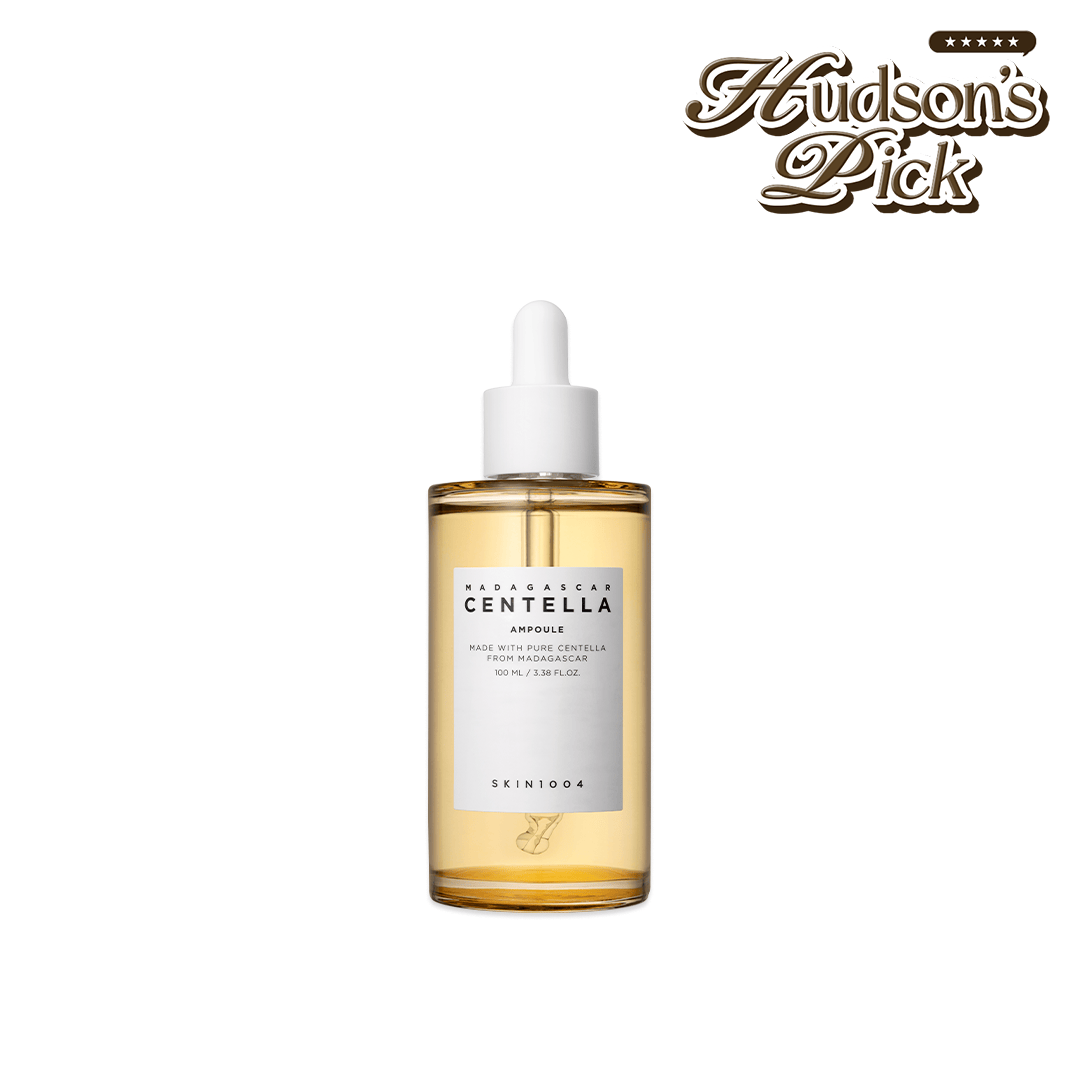
Centella Ampoule
19.8 USD
Shop now
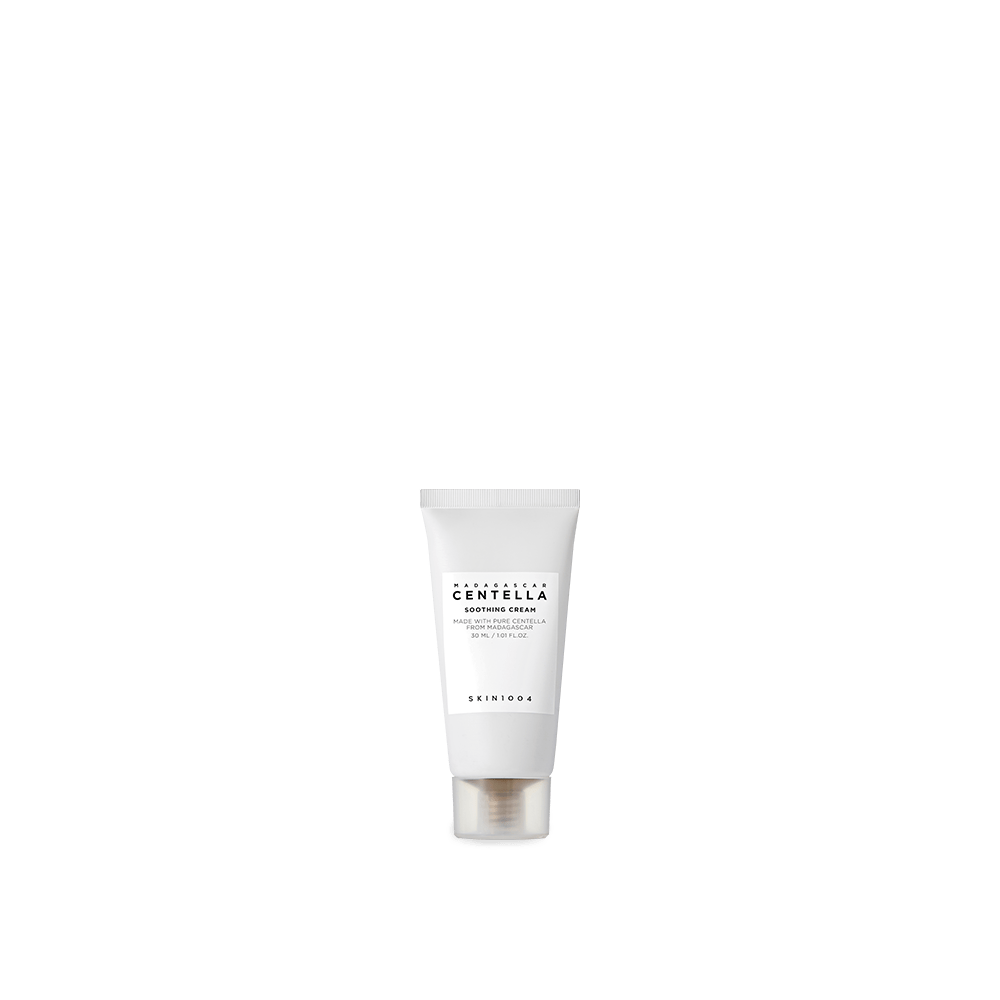
Centella Soothing Cream
7.5 USD
Shop now
Reapplying over a finished base
Reapplication is the hardest step to keep up over makeup. The EWG notes that few people want to reapply foundation or powder often enough to keep up protection. The American Cancer Society still advises reapplying at least every 2 hours to maintain protection, more often if needed.
Some ways to make that realistic over makeup:
- Blot excess oil first so the new layer has something clean to grip.
- Press a thin layer of your fluid sunscreen on with a clean sponge, working in sections.
- Use a stick for the nose, cheekbones and hairline, with several passes so the dose is not too thin.
- Treat an SPF powder as a touch-up that also adds some protection, and remember the dose limits described above.
At night, remove the whole day in one step. Our Centella Light Cleansing Oil pairs Centella with six plant-derived oils to gently dissolve makeup, sunscreen and excess sebum.
FAQ
Does a tinted sunscreen help under makeup?
It can do double duty. The AAD notes that a tinted sunscreen with iron oxide also protects against visible light, which helps guard against dark spots.
Do I still need sunscreen under makeup on cloudy days?
Yes. The AAD found that only about 20% of Americans use sunscreen on cloudy days, even though harmful UV rays still reach the skin when the sky is overcast.
What does "water resistant" mean on a sunscreen label?
In the US, sunscreens cannot be labeled "waterproof" or "sweatproof." According to the American Cancer Society, a "water resistant" label must say whether protection lasts 40 or 80 minutes of swimming or sweating, based on testing.
How long does an opened sunscreen stay effective?
The American Cancer Society says most sunscreens are good for at least 2 to 3 years, and that long heat exposure, such as a summer glove compartment, can reduce effectiveness. Check the expiration date, especially if your makeup-bag sunscreen suddenly separates or pills.
Pause, prep lightly, and let your sunscreen set before the first stroke of foundation. When you're ready to simplify the steps underneath, discover the Centella Soothing Cream and shop now.