
Best Serum Prep for Cakey Foundation Over Dry Patches

A lightweight hydrating serum pressed into slightly damp skin, sealed with a ceramide-containing cream and left three to five minutes before base makeup, is the prep step that keeps foundation from catching on dry patches. Gentle PHA exfoliation once or twice a week clears the loose flakes that hydration alone cannot smooth. Rich occlusive layers and heavy all-over powder belong to a bare-skin evening rather than a makeup morning.
A quiet morning, a clean face, and one patch on the cheek that refuses to cooperate. We hear about it constantly at SKIN1004, and the fix is almost always in the two minutes before foundation touches the skin rather than in the foundation itself.
Why foundation catches on a dry patch
Flaking is loose keratin sitting slightly above the surrounding surface. Pigment and film-formers in a foundation settle around and on top of that raised edge, which is why the patch reads darker and thicker after blending. The London Dermatology Centre describes the same mechanism from the clinic side: when the moisture barrier is compromised, water escapes through transepidermal water loss and makeup exaggerates every dry area instead of blending across it.
Two different conditions produce the same look. Skin that lacks oil stays rough and tight all day. Skin that lacks water can be oily by afternoon and still flake along the nose and chin. Prep differs slightly between them, though both need water put back at the surface before anything pigmented goes on top.
What a prep serum has to do in the ninety seconds it gets
Three jobs, in this order.
Bind water at the surface. Humectants such as glycerin and sodium hyaluronate hold water in the upper layers. The Journal of Clinical and Aesthetic Dermatology groups moisturizing ingredients into occlusives, humectants and emollients, and notes that occlusives work by reducing evaporation through the stratum corneum. A morning prep layer leans on the first group and borrows only lightly from the third.
Absorb without leaving a slip. Anything that stays wet or tacky on the surface will move under a sponge and drag foundation into streaks. A watery or gel-textured serum that sinks in cleanly gives base makeup something to grip.
Leave the barrier calmer than it found it. A patch that flakes today usually flakes again tomorrow unless the underlying dryness is addressed. The American Academy of Dermatology's guidance on relieving dry skin is consistent on the basics: apply moisturizer to skin that is still damp, and choose fragrance-free products, because deodorant soaps and scented formulas irritate dry, sensitive skin.
That guidance also carries a caution worth repeating before any product list. "There's definitely not a one-size-fits-all for all skin types," says Rebecca Kazin, MD, FAAD, a board-certified dermatologist quoted in the AAD's guide to picking the right moisturizer. Texture preference on a dry patch is personal, and the sequence below matters more than any single bottle in it.
The order that stops the catching
| Step | Role | Timing on a makeup morning |
|---|---|---|
| Gentle cleanse | Removes overnight residue without stripping | Always |
| PHA toner | Loosens surface flakes so hydration can sit flat | 1-2 times a week, ideally the night before |
| Hydrating serum or ampoule | Binds water at the surface, sinks in fast | Daily, onto slightly damp skin |
| Barrier cream | Seals the water in and smooths the edge of the patch | Daily, thin layer |
| Wait | Lets the layers set so foundation grips rather than slides | 3-5 minutes |
| Sunscreen, then base | Protection first, pigment last | Daily |
The wait is the step most people delete, and deleting it is the most common cause of pilling. A base applied into a still-wet layer rolls.
Two smaller adjustments help on a bad patch day. Press products into the area with fingertips rather than sweeping them, and keep powder to the zones that genuinely shine.
Where gentle exfoliation belongs
Flakes that are already lifted will not lie flat under any amount of serum. They need to come off, gently, and preferably not five minutes before foundation.
Polyhydroxy acids are the mild end of the chemical exfoliant range. In a 2004 review in Cutis, Pearl E. Grimes and co-authors reported that PHAs are compatible with clinically sensitive skin, including rosacea and atopic dermatitis, provide humectant and moisturization properties beyond those of AHAs, and can enhance stratum corneum barrier function. Gluconolactone, the PHA we use, is a large molecule that penetrates slowly, and a study of a gluconolactone-based dermocosmetic lotion indexed in PubMed Central links those large molecular dimensions to slow penetration and a reduced potential for redness and flaking.
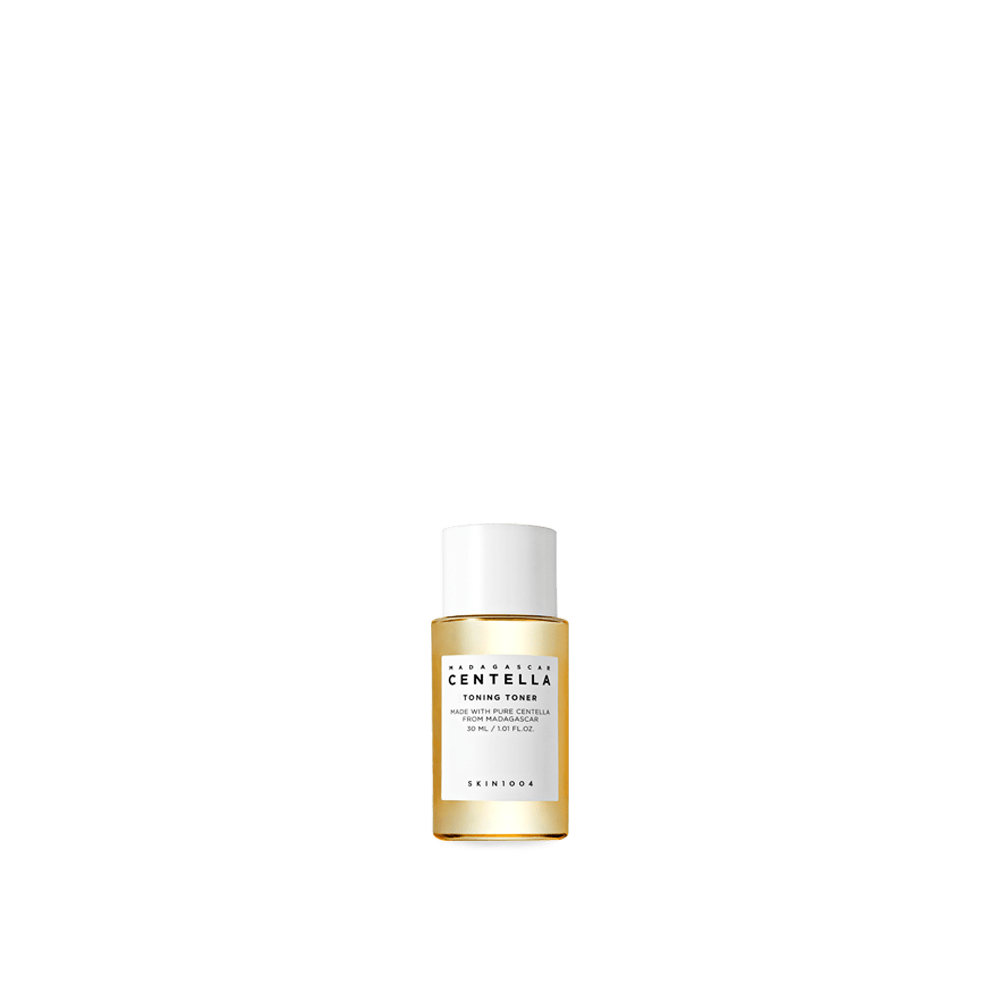
Our Centella Toning Toner is built on gluconolactone with Centella Asiatica extract and betaine, designed for daily use as a mild exfoliating step. On skin that is currently flaking around the nose or cheeks, we would still start at one or two uses a week in the evening and give the surface a night to settle before a full base.
If the skin feels tight and stings, exfoliation is the step to pause, not the one to increase.
Our Centella layers for a makeup morning
Each of these does one job in the sequence above. We have listed what is actually verified for each formula and left the rest out.
Centella Ampoule is our all-rounder soothing and hydrating step, formulated around high-quality Madagascan Centella Asiatica extract for skin that looks red or feels delicate. Its pH sits between 5.5 and 7.5. It has completed a non-comedogenic human application test conducted on 20 adults, applied twice daily to the forehead with assessments at baseline, two weeks and four weeks, which matters on a makeup day because a prep layer stays on the skin under an occlusive base for hours. It is a Centella-led formula and does not contain sodium hyaluronate, so pair it with a humectant-rich cream when the surface feels genuinely thirsty.
Centella Soothing Cream is the seal. A non-sticky soothing gel with Centella, trehalose, sodium hyaluronate, ceramide NP and cholesterol, it moisturizes and helps support the skin's natural barrier. The ceramide and cholesterol content is the reason we reach for it on flake-prone mornings: barrier lipids are what the AAD's dry-skin guidance points toward for skin that loses water faster than it holds it.
Centella Quick Calming Pad is the shortcut. An essence-rich toner pad with Centella and panthenol that soothes and hydrates in a two-minute step, useful when there is no time for a full layered routine. That two-minute step describes this pad alone.
Centella Toning Toner
5 USD
Shop now
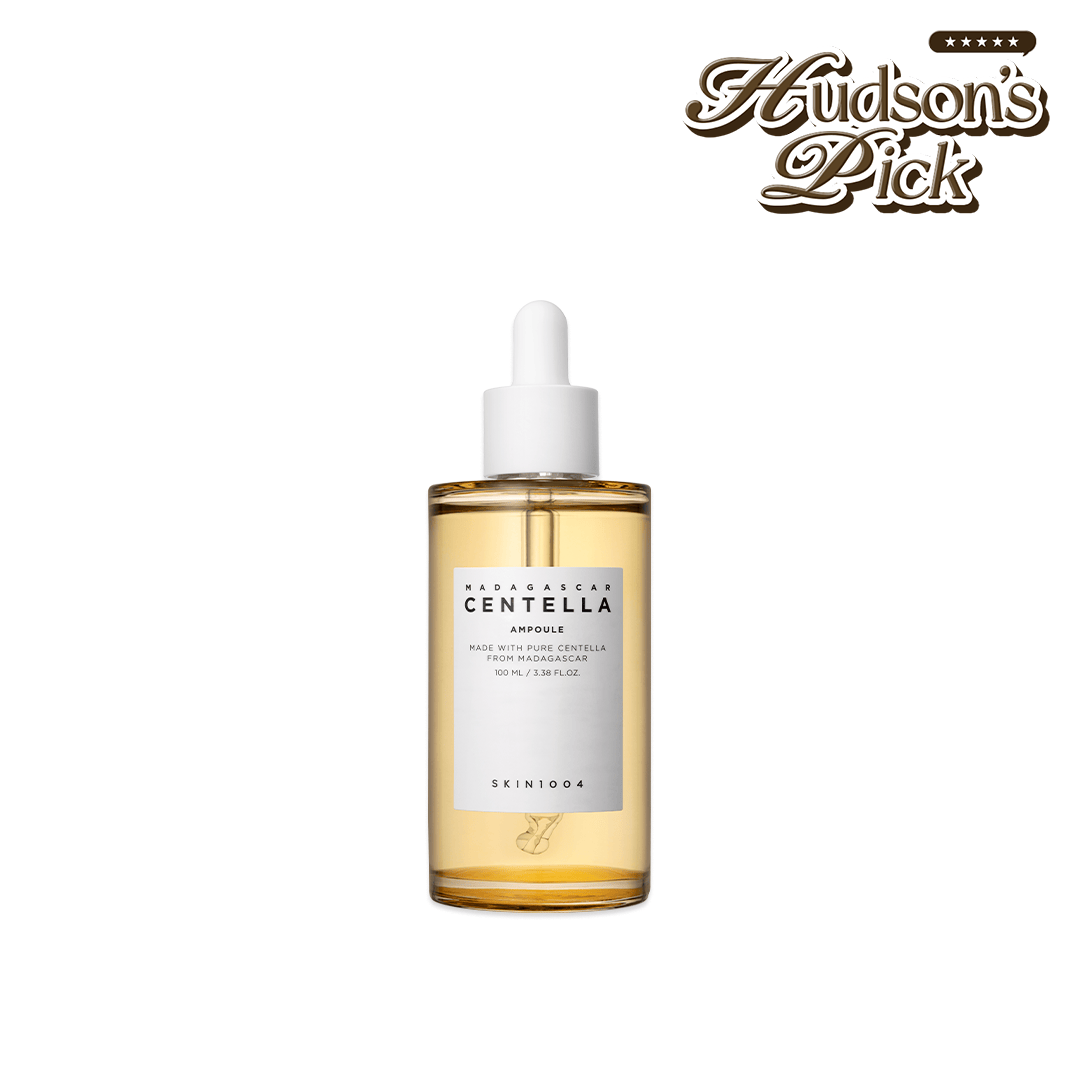
Centella Ampoule
19.8 USD
Shop now
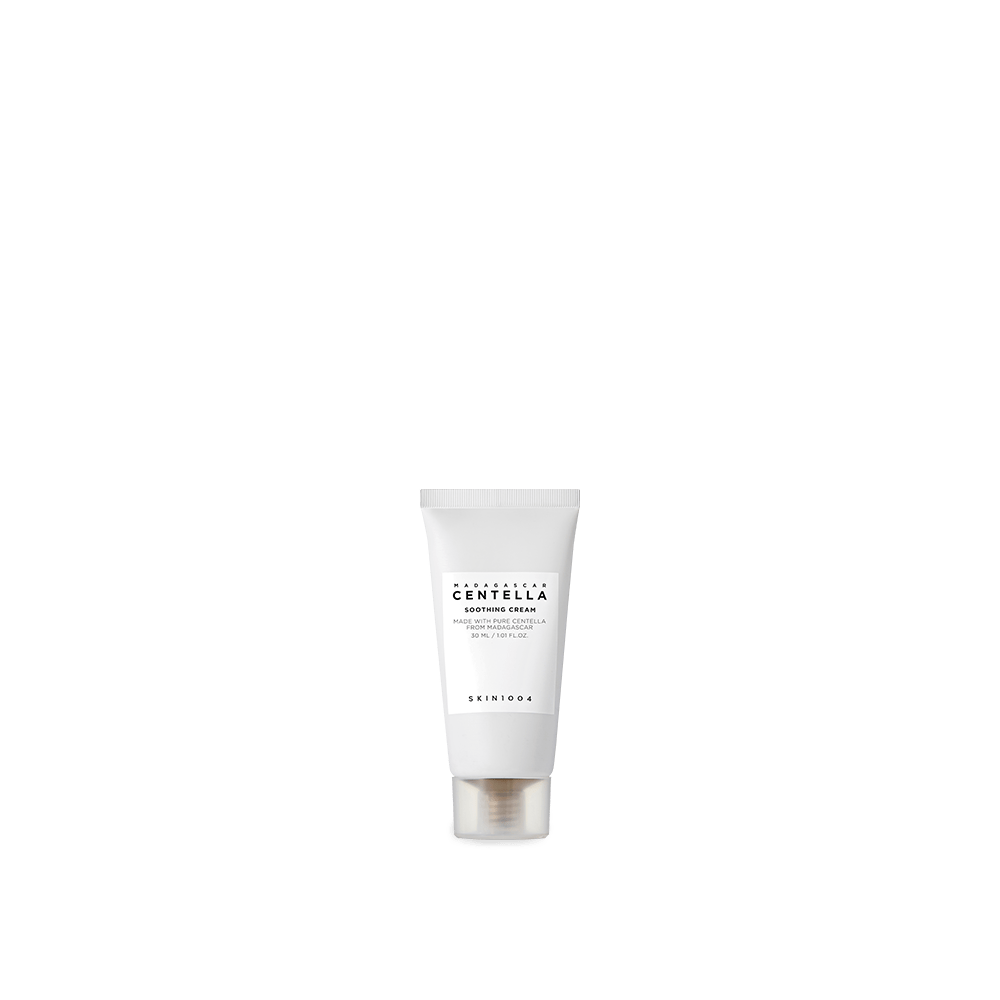
Centella Soothing Cream
7.5 USD
Shop now
For an oilier T-zone with the same flaking, our guide to choosing a lightweight serum for dehydrated skin covers texture selection in more detail.
What to leave out before foundation
Skip the heavy occlusive. Petrolatum-style balms and rich ointments are effective overnight repair, and under a base they keep the surface soft enough that foundation slides and separates by midday.
Skip the alcohol-forward smoothing primer on a flaking morning. Skip all-over powder, and dust only where shine actually appears. Skip the last-minute scrub, which lifts more edges than it removes.
Sunscreen still goes on. If yours is the layer that pills over prep, our notes on sunscreen that sits well under makeup walk through the texture and timing fixes.
FAQ
Should I apply serum to damp or dry skin before makeup?
Slightly damp. Humectants bind the water that is available to them, and AAD's dry-skin guidance recommends applying moisturizing products while skin is still damp so the water is sealed in rather than lost. Damp, though, is a film of moisture rather than a wet face; standing droplets dilute the layers above.
How long should I wait between skincare and foundation?
Three to five minutes is enough for most layered routines. The test is touch: if a fingertip comes away tacky, the base will move.
Can a serum fix flaking caused by a retinoid or acne treatment?
A serum softens how the flaking looks while the cause stays upstream. Retinoid-related peeling usually responds to spacing out applications or buffering with moisturizer. Persistent flaking, stinging or redness that lasts beyond a few weeks is worth reviewing with a board-certified dermatologist, who can also check for eczema or dermatitis behind it.
Is a hydrating toner enough on its own, without a cream?
On skin that genuinely lacks oil, rarely. Humectant layers hold water that then needs sealing, and the AAD's guide to picking a moisturizer describes creams as holding more water in the skin than lotions. A thin cream over the serum is the part that keeps the patch smooth until evening.
Does the same prep work in winter?
The order holds, the weights change. Indoor heating lowers ambient humidity, so a humectant layer alone has less water around it to draw on, and a slightly richer sealing cream earns its place from about November onward.
Start with the layer your routine is missing. Our Centella Ampoule for the hydration step and Centella Soothing Cream to seal it are the two we would reach for first on a morning with a dry patch and a foundation to apply, and the full range sits in our guide to the SKIN1004 Centella collection.