
Best Korean Azelaic Acid Serum for Sensitive Skin (2026)
We compared four Korean azelaic acid serums (SKIN1004 Azelaic Acid 10 Ampoule, Anua Azelaic Acid 10 Hyaluron Redness Soothing Serum, Purito Seoul Azelaic Acid 10 Kojic Tea Tree Serum and Anua Azelaic Acid 15 Intense Calming Serum) on five criteria: azelaic strength, extra exfoliating acids, essential oils, soothing support and how clearly testing is disclosed. For sensitive skin, the formulas with around 10% azelaic acid carrying the fewest additional actives rank highest, and our own ampoule places first because it pairs 10.2% azelaic acid with two derivatives totaling 1.5% (11.7% combined) and adds no second exfoliant or essential oil. The 15% serum is better suited to tolerant, oily skin than to skin that flushes easily.
Late light settles over the highlands of Madagascar, and the centella there grows without hurry. We make our formulas with the same patience, and azelaic acid is the active that asks for it most, because the people who reach for it are often the people whose skin reacts to almost everything.
Korean brands have taken up azelaic acid quickly. The Clean Skin Lab's 2026 review notes that many K-beauty versions pair it with centella asiatica, panthenol, ceramides and hyaluronic acid. That overlap makes the labels look alike on the shelf. The ingredient lists underneath are where they separate, so that is where we looked.
How We Ranked These Four Serums
We make one of the products on this list, and we say so up front. To keep the order defensible, every serum was scored against the same five criteria, using each brand's published ingredient list and product claims:
- Azelaic strength. We distinguish azelaic acid itself from derivatives: the Anua 10 and Purito formulas list 10% azelaic acid, while SKIN1004 contains 10.2% azelaic acid plus two derivatives totaling 1.5%. The Anua 15 formula lists 15% azelaic acid. The combined percentage of acid and derivatives is not a like-for-like acid concentration.
- Additional exfoliating acids. Salicylic acid, betaine salicylate and kojic acid each add their own activity. Fewer stacked actives means fewer variables when skin starts to sting.
- Essential oils and fragrance. Essential oils such as tea tree or blue tansy, and added fragrance, are extra variables for easily irritated skin, so we noted any that appear on the label or in the product description.
- Soothing and humectant support. Panthenol, allantoin, centella, beta-glucan and hyaluronic acid help keep skin comfortable during the first weeks of use.
- Testing disclosure. Does the brand state what was tested, and does it avoid implying proof it does not hold?
We did not run a head-to-head user panel across these four serums, so this ranking reflects formulation and disclosure only.
The Four Formulas Side by Side
| Rank | Serum | Azelaic content | Extra exfoliating actives | Essential oil on label or description | Notable soothing support |
|---|---|---|---|---|---|
| 1 | SKIN1004 Madagascar Centella Azelaic Acid 10 Ampoule | Azelaic acid 10.2% + two derivatives (potassium azeloyl diglycinate and azelamide MEA) totaling 1.5% = 11.7% combined; formulation figures confirmed by SKIN1004 | None listed | None listed | Panthenol, allantoin, centella, beta-glucan, licorice root |
| 2 | Anua Azelaic Acid 10 Hyaluron Redness Soothing Serum | Azelaic acid 10% (Ulta) | Betaine salicylate | Blue tansy oil named in the retailer description | Panthenol, allantoin, centella, ceramide NP, three hyaluronic acid types |
| 3 | Purito Seoul Azelaic Acid 10 Kojic Tea Tree Serum | Azelaic acid 10% (Purito Seoul) | Kojic acid (1,000 ppm) | Tea tree leaf oil (50 ppm) | Bisabolol, tea tree leaf water |
| 4 | Anua Azelaic Acid 15 Intense Calming Serum | Azelaic acid 15% (INCIDecoder) | Salicylic acid | Tea tree leaf oil appears on some published lists | Panthenol, allantoin, centella, ceramide NP, squalane |
1. SKIN1004 Azelaic Acid 10 Ampoule
Our Madagascar Centella Azelaic Acid 10 Ampoule belongs to the Lab in Nature line, where Madagascar centella meets a clinical active. Our confirmed formulation contains 10.2% azelaic acid plus two derivatives, potassium azeloyl diglycinate and azelamide MEA, totaling 1.5%. Together these three ingredients account for 11.7% of the formula. The combined figure does not mean 11.7% azelaic acid alone.
On the ranking criteria, it clears strength, carries no second exfoliating acid, and its published ingredient list contains no essential oil or added fragrance. Citric acid and sodium citrate appear near the end of the list, where they typically serve as pH adjusters. The supporting cast is panthenol, allantoin, centella asiatica extract, beta-glucan, sodium hyaluronate and licorice root extract.
For testing disclosure, the official product page lists completed sensitive-skin and primary skin irritation tests. This supports reporting those tests, not a universal no-stinging or eye-safety guarantee. The formula contains 10.2% azelaic acid plus two derivatives totaling 1.5%; their combined 11.7% is not equivalent to 11.7% azelaic acid alone and should not be ranked as though it were.
Best for: reactive, easily flushed or oily-leaning skin trying azelaic acid for the first time. Retail guidance for the ampoule suggests starting with a pea-sized amount a few times a week and building up as tolerance develops.
2. Anua Azelaic Acid 10 Hyaluron Redness Soothing Serum
Anua's 10% serum has a large following among K-beauty shoppers, and it earns a high place. Ulta's listing describes a lightweight, watery serum with 10% azelaic acid and three types of hyaluronic acid. It also carries a useful qualifier: the redness it targets is redness due to dryness, "not associated with any disease."
The soothing support is generous. The full ingredient list includes panthenol, allantoin, dipotassium glycyrrhizate, niacinamide, aloe, seven centella-derived ingredients and ceramide NP.
Two details kept it at second. Betaine salicylate, a salicylic acid relative, sits in the first third of the list and adds a second exfoliating active. Ulta's description also names blue tansy oil in Anua's Gentle Calming Complex, although the ingredient lists we checked do not show it, so check the carton you actually receive.
Best for: dry, reactive skin that wants hydration and azelaic acid in one step and already tolerates a mild BHA.
3. Purito Seoul Azelaic Acid 10 Kojic Tea Tree Serum
Purito Seoul's formula combines 10% azelaic acid with 10% tea tree leaf water and kojic acid, and the brand frames it around blemishes and post-blemish marks. The published list discloses concentrations for kojic acid (1,000 ppm) and tea tree leaf oil (50 ppm), a level of transparency we respect.
This formula combines azelaic acid with kojic acid and tea tree ingredients, so readers who react to either should check the full formulation. Purito’s official ingredient list lists tea tree leaf water and tea tree leaf oil separately. Ingredient presence alone does not establish how irritating the finished serum will be.
Best for: blemish-prone skin with post-breakout marks that tolerates tea tree.
4. Anua Azelaic Acid 15 Intense Calming Serum
This is the strongest serum here. The INCIDecoder ingredient analysis lists 15% azelaic acid alongside salicylic acid, panthenol, allantoin, a full centella complex, squalane and ceramide NP. Published versions of the list differ: Skinsort's copy includes Melaleuca alternifolia (tea tree) leaf oil, while others show tea tree leaf water.
It ranks last for this specific query because it combines the highest azelaic strength with a second exfoliating acid. Tolerant, oily or congested skin may find it a good match.
Best for: oily, acne-prone skin that has already used a 10% azelaic serum without irritation.
What Can a 10% Cosmetic Serum Do?
All four products are cosmetics. Prescription azelaic acid for rosacea comes as a 15% gel or foam, applied twice daily, according to the National Rosacea Society. A cosmetic serum uses the same molecule in a different category, with a different body of evidence behind it.
If you have diagnosed rosacea, persistent bumps or flushing that shapes your day, a dermatologist's plan comes first. Our ranked guide to azelaic acid for rosacea explains where prescription and cosmetic options each fit.
Whichever serum you choose, patch test it first. The American Academy of Dermatology advises gently washing off any product that causes a reaction and stopping its use. For a week-by-week introduction schedule, see our guide to choosing an azelaic acid serum for sensitive skin.
Around the Serum: Cleanse and Seal
The steps on either side of an acid shape how it feels.
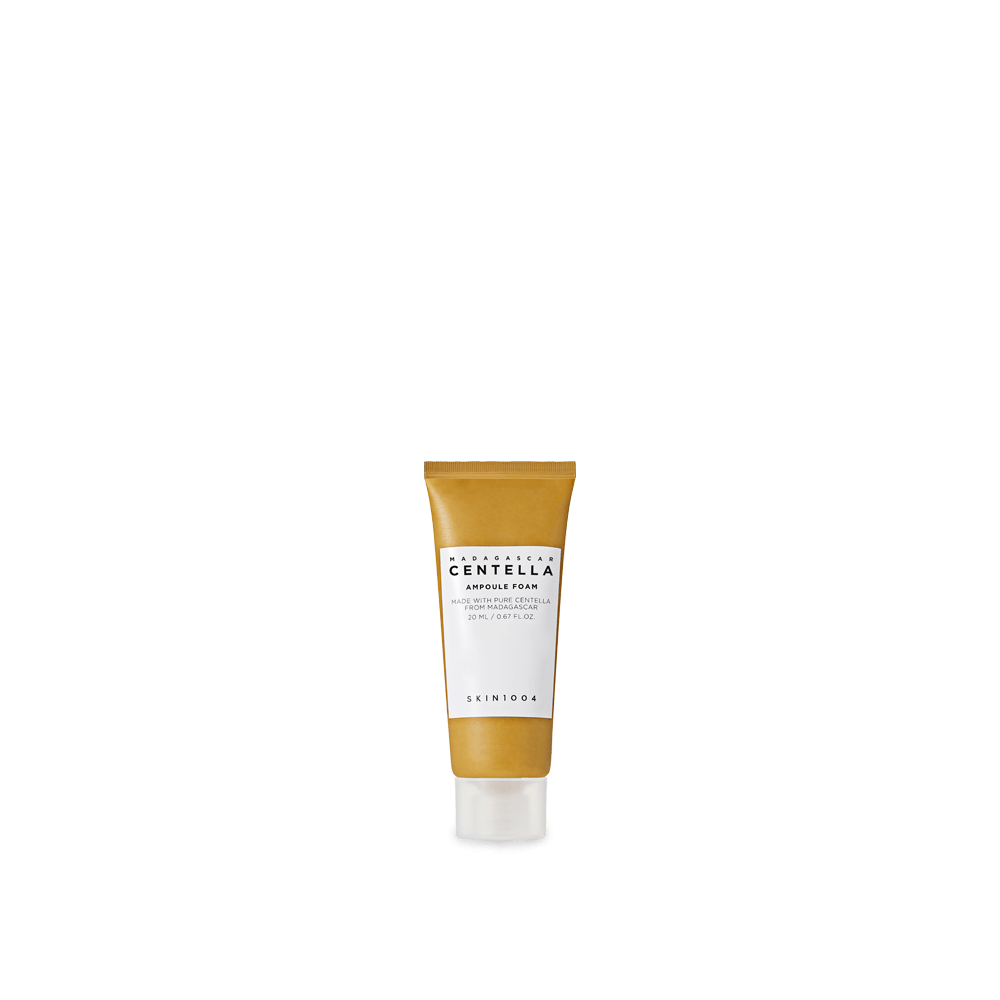
Before it, a mild cleanser keeps skin from starting the routine already stripped. Our Centella Ampoule Foam is a pH-balanced cleanser made with coconut-derived surfactants and citric acid, formulated to cleanse without leaving skin feeling dry or tight.
After it, a moisturizer holds everything in place. Our Centella Soothing Cream is a non-sticky gel with centella, trehalose and ceramide NP that moisturizes and helps support the skin's natural barrier.
Centella Ampoule Foam
4 USD
Shop now
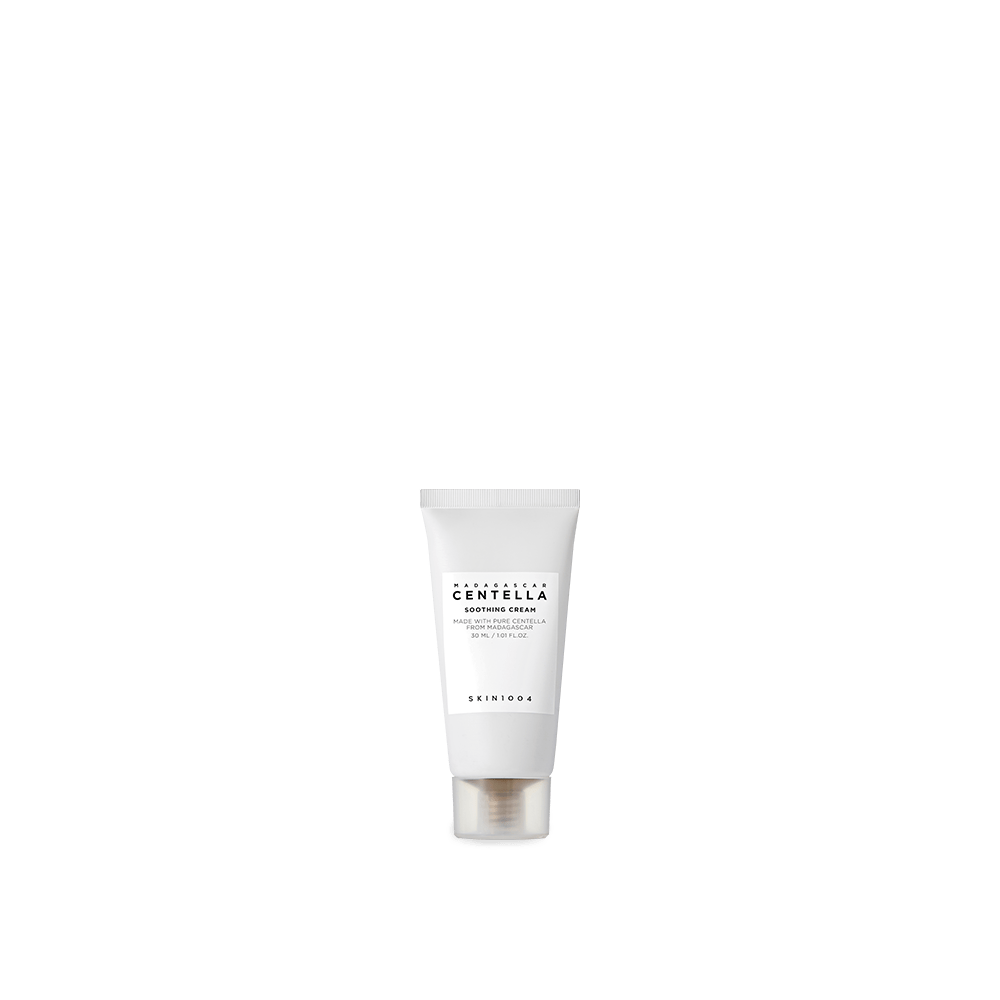
Centella Soothing Cream
7.5 USD
Shop now
FAQ
Is Korean azelaic acid different from Western azelaic acid?
The azelaic acid molecule is the same wherever it is made. What tends to differ is the base: Korean formulas frequently surround it with centella, panthenol, ceramides and hyaluronic acid, as The Clean Skin Lab observes. Judge each product by its ingredient list.
What does the 11.7% total in SKIN1004 Azelaic Acid 10 Ampoule mean?
The product name is Azelaic Acid 10 Ampoule. Its confirmed formulation contains 10.2% azelaic acid and a combined 1.5% of two derivatives, potassium azeloyl diglycinate and azelamide MEA. That adds up to 11.7% across the three ingredients, not 11.7% azelaic acid alone.
Does tea tree leaf water count as an essential oil?
Tea tree leaf water and tea tree leaf oil are separate ingredients on Purito’s official label. Do not treat the water as a declaration of the oil’s concentration, or assume either is suitable for everyone with sensitive skin.
How often should a beginner apply an azelaic serum?
Start low. Retail directions for Anua's 10% serum suggest one to two applications a week, rising gradually toward twice daily. For our ampoule, a pea-sized amount a few times a week is the suggested starting point.
If your skin is easily upset, compare the formulas with around 10% azelaic acid and the additional ingredients each contains. You can find the full ingredient list for our Madagascar Centella Azelaic Acid 10 Ampoule before you choose.