
Hydrating Ampoule Before Makeup: Stop Cakey Foundation

A hydrating ampoule helps makeup go on smoothly when it supplies water-binding humectants such as glycerin, settles into the skin before the next layer, and is used in a thin amount. Our Centella Ampoule fits that brief: its official ingredient list includes Glycerin and Butylene Glycol, and our product page describes a texture that absorbs without stickiness. Dry skin usually still needs a cream on top, and the order and amount of your layers matter as much as the ampoule you choose.
Morning light, a quiet mirror, and skin that still feels tight from the night air. Foundation tends to tell the truth about that tightness within an hour.
Cakey makeup usually starts underneath the makeup. WebMD notes that makeup flaking a couple of hours after application often points to a buildup of dead skin, and Elizabeth Tanzi, MD, a cosmetic dermatologist in Washington, D.C., told WebMD that it helps to exfoliate some of that dead layer and then hydrate the layers underneath. A hydrating ampoule belongs to that second half of the job.
Why foundation turns cakey on thirsty skin
Dry, dehydrated skin gives foundation an uneven surface. Pigment catches on rough patches, settles around the nose, and looks heavier as the day goes on.
Humectants are the ingredients that address the water side of this. Johns Hopkins Medicine notes that the American Academy of Dermatology recommends a cream or ointment containing ingredients such as glycerin, shea butter, jojoba oil or petroleum jelly. Glycerin draws water into the outer layer of the skin. The oils and butters slow that water from escaping.
That split explains why an ampoule alone is rarely the whole answer for dry skin. A watery ampoule is good at delivering humectants in a light layer. A cream is better at holding them in.
What to look for in a pre-makeup ampoule
We would choose an ampoule for makeup prep by checking five things on the label and in the hand.
| What to check | Why it matters before makeup | How to check it |
|---|---|---|
| Humectants near the top of the ingredient list | Glycerin and similar ingredients bind water in the upper skin layers | Read the INCI list; earlier ingredients are generally present in larger amounts |
| A light, water-based texture | A thin fluid spreads easily and leaves less residue for foundation to drag | Press a drop between two fingers and see whether it stays tacky |
| How it settles | A layer that is still wet when the next product lands is more likely to roll | Wait until the surface no longer feels wet before moving on |
| Fit with the rest of your routine | Water-based layers under silicone-heavy primers or sunscreens can separate | Check whether your primer and foundation are water-based or silicone-based |
| The amount you use | Excess product sits on the surface and balls up when rubbed | Start small and add only where skin still feels tight |
Fragrance is worth a look too. In its dry-skin guidance, the American Academy of Dermatology advises patting skin dry after washing and applying a fragrance-free moisturizer straight away.
Where our Centella Ampoule fits
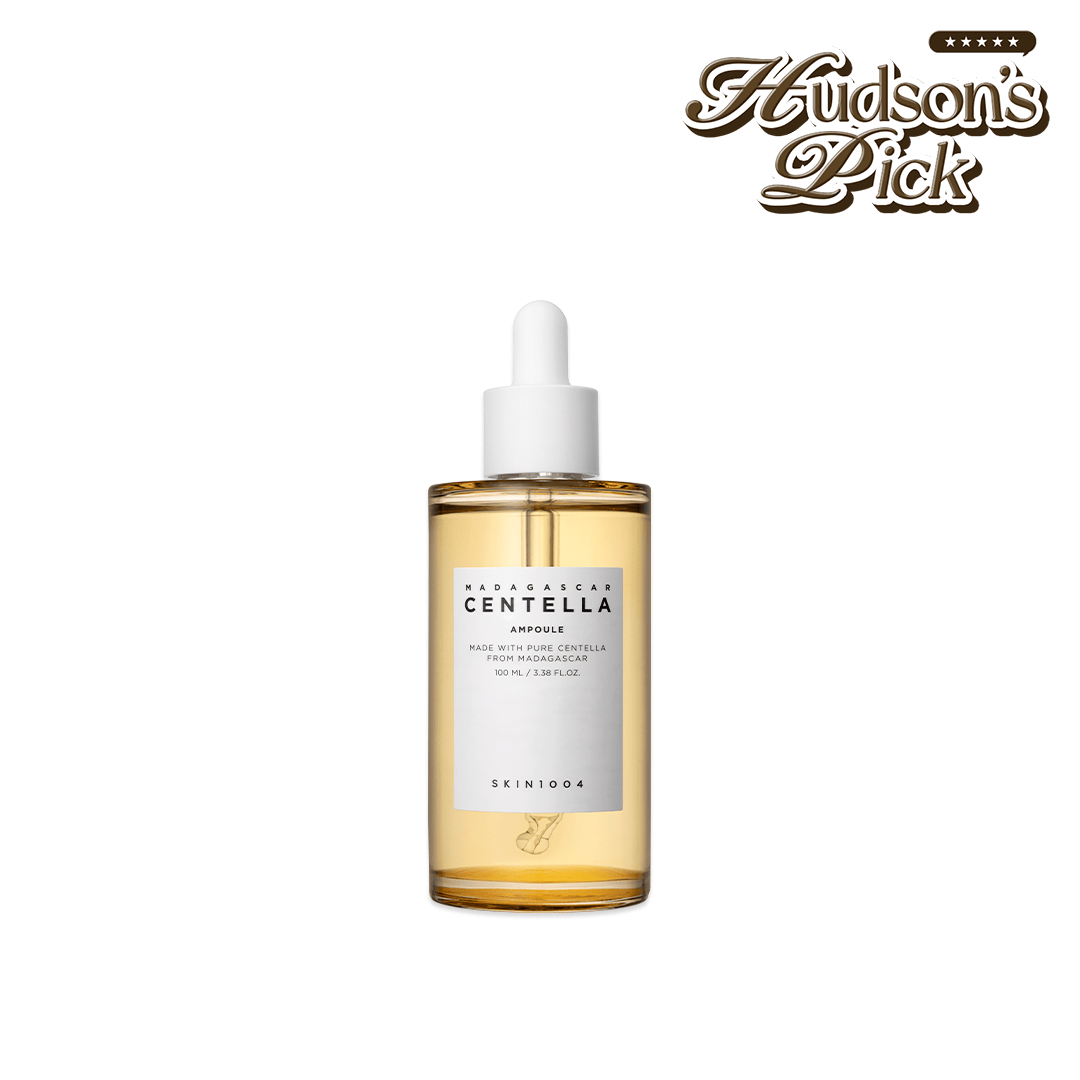
Our Centella Ampoule is an all-rounder ampoule built around Madagascan Centella Asiatica extract, formulated to help soothe visible redness and comfort sensitive-looking skin. It suits all skin types, especially dry and delicate skin.
For makeup prep, three facts from our official product information matter most:
- Humectants: the ingredient list includes Glycerin and Butylene Glycol, both water-binding ingredients.
- No hyaluronic acid: the ampoule does not contain Sodium Hyaluronate. Its hydration comes from Glycerin and Butylene Glycol, so readers looking specifically for a hyaluronic acid serum should know that before buying.
- Texture: our product page describes the ampoule as absorbing without stickiness. This is our own texture description, and we have not run an independent makeup-wear test against other ampoules.
Centella Ampoule. Signature soothing ampoule. #LightHydration #CalmBase. Available in 30ml, 55ml and 100ml.

Centella Ampoule - 100ml
19.80
Shop now
It works as a hydration layer under your moisturizer. It does the job of neither a primer nor a sunscreen, and on very dry skin we would always follow it with a cream.
A five-step morning order before foundation
- Cleanse gently and pat, leaving skin slightly damp. The American Academy of Dermatology recommends applying moisturizer while skin is still damp, and patting rather than rubbing skin dry.
- Press in a small amount of ampoule. Warm it between your palms and press it over the face. Add a little more only on areas that still feel tight.
- Let it settle. Move on once the surface no longer feels wet. Rushing this step is the easiest way to invite pilling.
- Seal with a moisturizer suited to your skin. Jason A. Clark, MD, FAAD, a board-certified dermatologist in Atlanta, advises in American Academy of Dermatology guidance that people with dry skin start with a cream or ointment rather than a lotion, and that oily skin may do better with a lighter gel.
- Apply sunscreen by daylight, then makeup. The American Academy of Dermatology recommends a broad-spectrum sunscreen with SPF 30 or higher. Our guide to layering a serum before sunscreen covers that step in detail.
Matching the layers to your skin
Dry skin: keep the ampoule, then use a real cream. WebMD points out that dry skin produces very little oil, which is why a moisturizer is essential for it.
Oily but dehydrated skin: we suggest a thin ampoule layer followed by a gel moisturizer, in line with Dr. Clark's advice that oily skin may do better with a lighter gel. We explore this skin type further in the right hydrating serum for oily, dehydrated skin.
Combination skin: apply the ampoule all over, then concentrate cream on the cheeks and keep the T-zone lighter.
If you are unsure whether an ampoule, essence or serum suits your routine, our comparison of essence vs ampoule vs serum for dehydrated, sensitive skin explains how the three differ.
Still pilling? Check these habits first
When products ball up under foundation, we look at technique before swapping products:
- Too much product. Use less ampoule and moisturizer, then build up only where needed.
- Layers applied while wet. Give each step time to settle.
- Rubbing. Pressing and patting disturbs earlier layers less than circular rubbing.
- Mismatched bases. A water-based layer under a silicone-heavy primer can separate, so try a primer that matches your foundation base.
Flaky patches also need attention. Dr. Tanzi's advice to WebMD applies here too: clear some of the dead surface layer, then hydrate. Keep that exfoliation mild and occasional.
FAQ
Does the Centella Ampoule contain hyaluronic acid?
No. It does not contain Sodium Hyaluronate. The humectants on its ingredient list are Glycerin and Butylene Glycol.
Can I use the ampoule instead of a primer?
They play different roles. The ampoule is a skincare hydration step that goes under your moisturizer, while a primer is a makeup step chosen to match your foundation base. Many routines use both.
How do I refresh dry-looking makeup in the afternoon?
Pressing a liquid ampoule over finished foundation can disturb the base. WebMD suggests carrying a travel-size hydrating toner and spritzing it over makeup as a midday moisture boost, which leaves the base layer undisturbed.
Should I patch test before adding it to my makeup routine?
Any new leave-on product is worth trying on a small area first, especially on skin that reacts easily. Introduce it on a day without makeup so you can judge how your skin feels on its own.
Find your calm base
THE UNTOUCHED NATURE begins with skin that feels comfortable before anything goes on top. Explore the Madagascar Centella Ampoule and choose the size that suits your routine.